Coming soon: ** Online course on research methods Mar-Jun 2024 ** Final international conference of NorLanka Blue ** Final workshop on Blue Education **
|
Final International Conference of NorLanka Blue
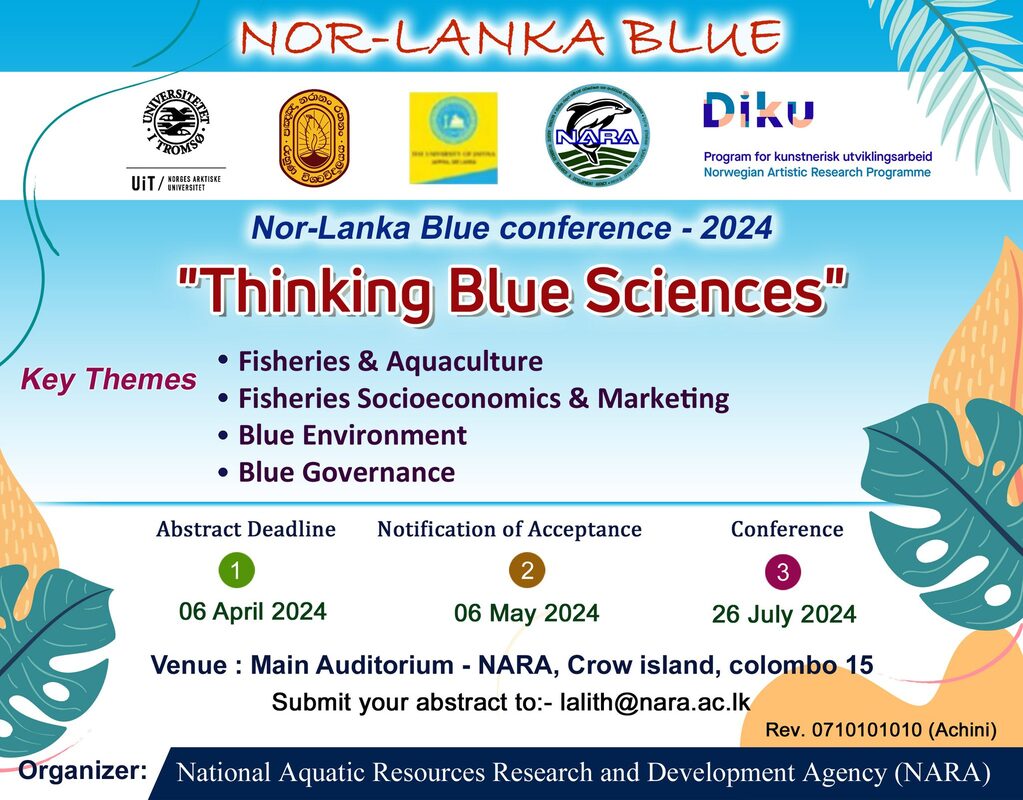
April 2024. Thinking Blue Sciences is the title of our final conference to take place in July 2024 at NARA in Colombo. It is a broad-based event covering numerous areas of the project, including fisheries and aquaculture production, socioeconomics, governance and marine environment. The coordinator of the event is Dr. Lalith Amaralal at NARA ([email protected]). We are now calling for abstracts with a deadline on April 6. Here (right) you can find instructions for your submission. We hope to meet many of our fellow students and colleagues in the event, as well as other scientists and interested people. |


| ||||
Nor-Lanka BLUE goes Edu-Online
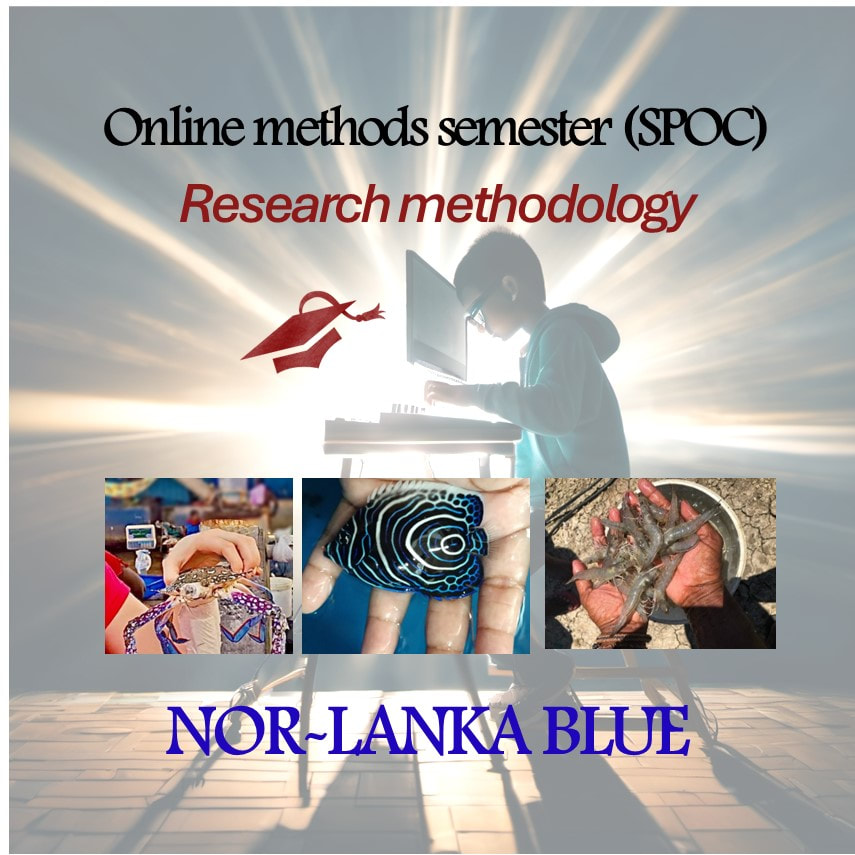
March 2024, Matara. Sound research relies on knowledge of methodology, but graduate students often need this background. NOR LANKA BLUE will offer an innovative, small private online course (SPOC) on common qualitative and quantitative research methods. The University of Ruhuna (UoR) will host the 10 ECTS credits course. Individual experts will moderate the ten independent modules. These will contain self-learning resources, teacher-assisted sessions, assignments and assessments to impart knowledge and evaluate student performance. This proof of concept will run over twelve weeks in Spring 2024 (between March and June), with the enrollment of a limited number of students. PI professors (UoR) Suneetha Gunawickrama, Nilantha De Silva and Ashoka Deepananda will coordinate with secretarial assistance from Dhanushka Dilini Jayaweera, a former mobility student.
March 2024, Matara. Sound research relies on knowledge of methodology, but graduate students often need this background. NOR LANKA BLUE will offer an innovative, small private online course (SPOC) on common qualitative and quantitative research methods. The University of Ruhuna (UoR) will host the 10 ECTS credits course. Individual experts will moderate the ten independent modules. These will contain self-learning resources, teacher-assisted sessions, assignments and assessments to impart knowledge and evaluate student performance. This proof of concept will run over twelve weeks in Spring 2024 (between March and June), with the enrollment of a limited number of students. PI professors (UoR) Suneetha Gunawickrama, Nilantha De Silva and Ashoka Deepananda will coordinate with secretarial assistance from Dhanushka Dilini Jayaweera, a former mobility student.
Introducing Marine Spatial Planning
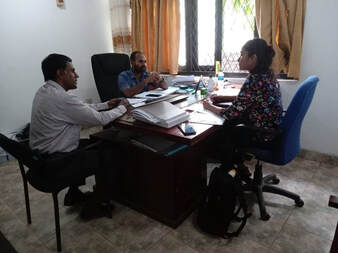
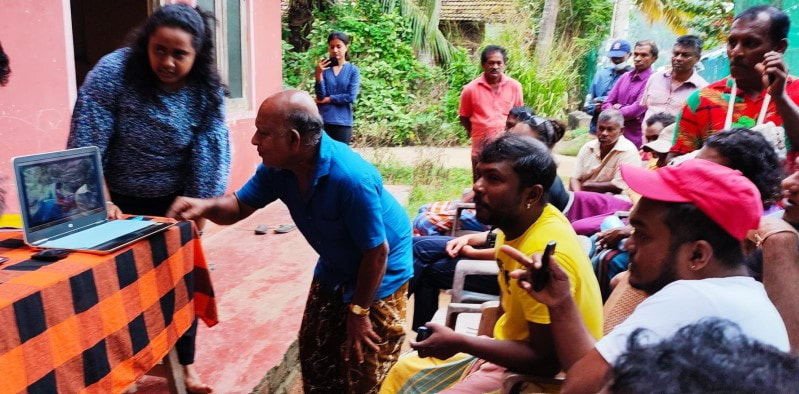
February 2024, Negombo. Marine Spatial Planning is a holistic approach that helps ensuring conservation and management of marine and coastal resources while minimizing disputes among the multiple- users. This could have useful application in areas like the Negombo lagoon, a multiple use ecosystem close to Colombo. Unfortunately, this approach has not gained traction in Sri Lanka yet. Wipuni Kaushalee is a Nor Lanka fellow working under the guidance of Professor Nilantha De Silva (Ruhuna). She conducts focus group discussions with the responsible Government Officials. Her future expectation is to determine the potential to implement MSP in Sri Lanka.
February 2024, Negombo. Marine Spatial Planning is a holistic approach that helps ensuring conservation and management of marine and coastal resources while minimizing disputes among the multiple- users. This could have useful application in areas like the Negombo lagoon, a multiple use ecosystem close to Colombo. Unfortunately, this approach has not gained traction in Sri Lanka yet. Wipuni Kaushalee is a Nor Lanka fellow working under the guidance of Professor Nilantha De Silva (Ruhuna). She conducts focus group discussions with the responsible Government Officials. Her future expectation is to determine the potential to implement MSP in Sri Lanka.
|
Research: oil spill detection from space
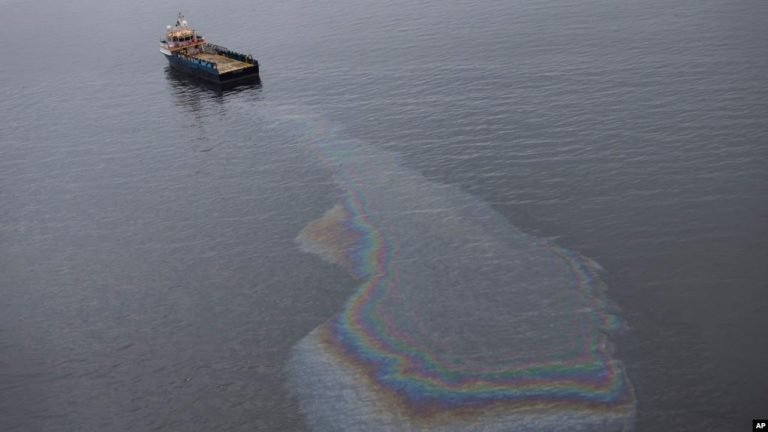
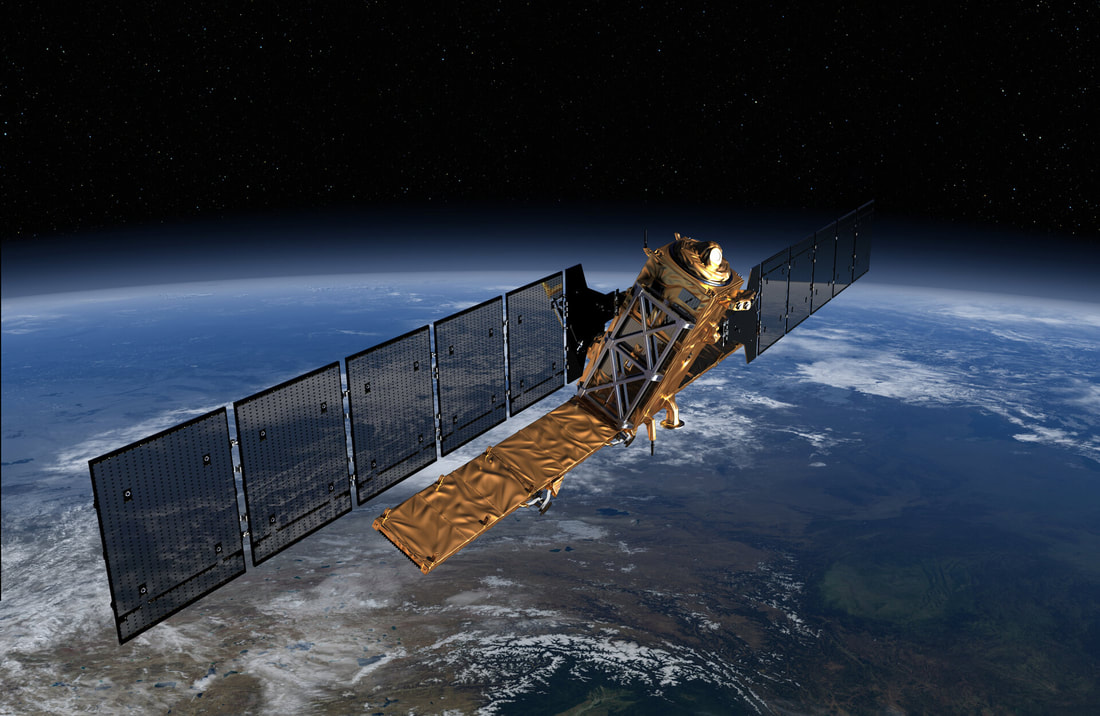
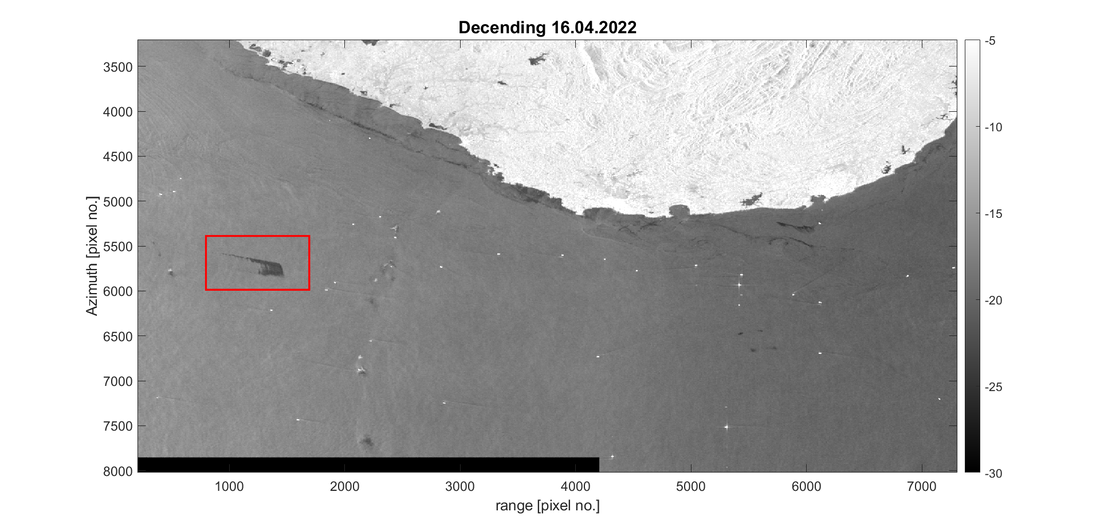
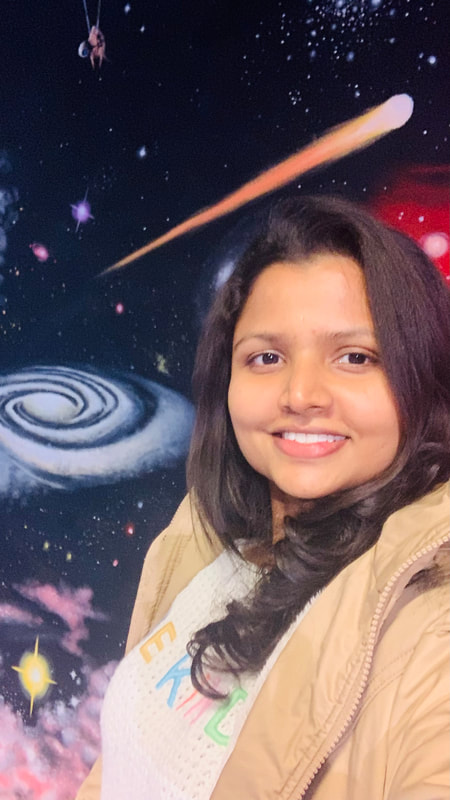
January 2024, Tromsø. Oil spills caused by illegal bilge dumping from ships occur frequently along major shipping routes. The important Suez route passes just south of Sri Lanka. Chamika Wijesundara, an MPhil student from the University of Ruhuna, is trying to identify these oil spills in the Sri Lanka's EEZ using Synthetic aperture radar (SAR) Technology. Collaborating with her supervisor, Cornelius Quigley, a physicist working with satellite technology, Chamika conducted a mini-research project at UiT. She measured the seasonal variations in SAR backscatter in the open ocean off Sri Lanka. This provides a foundation for oil spill detection and mitigation. Chamika left Tromsø with new academic knowledge, good memories and lasting friendships formed during her visit. |
|
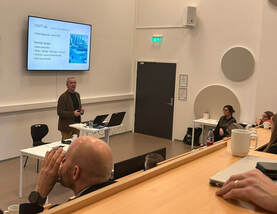
At the Sjømatløftet talking new technologies.
December 2023, Finnsnes. Hasini Kahandage and Jorge Santos traveled to to the Seafood Promotion Conference in Finnsnes as a part of the communication plan for several CRAFT-lab projects. This was also a contribution to the professional development plan for bachelor students at BFE faculty. The conference about AI in the marine sector and student workshop were jointly organized with the Blue Competence Center, a state-industrial partnership, which is particularly active in the island of Senja. Jorge presented simple examples of the mechanics of artificial intelligence (AI), some of the applications of digitech along the fishing and aquaculture value chains, as well as some of the insight and dilemmas that CRAFT-lab is disclosing. He also voiced the need to attract creative students to this emerging field.
December 2023, Finnsnes. Hasini Kahandage and Jorge Santos traveled to to the Seafood Promotion Conference in Finnsnes as a part of the communication plan for several CRAFT-lab projects. This was also a contribution to the professional development plan for bachelor students at BFE faculty. The conference about AI in the marine sector and student workshop were jointly organized with the Blue Competence Center, a state-industrial partnership, which is particularly active in the island of Senja. Jorge presented simple examples of the mechanics of artificial intelligence (AI), some of the applications of digitech along the fishing and aquaculture value chains, as well as some of the insight and dilemmas that CRAFT-lab is disclosing. He also voiced the need to attract creative students to this emerging field.
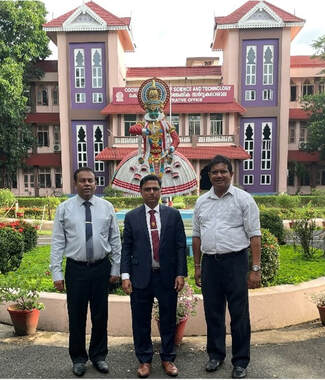
Ruhuna and Cochin to strengthen bilateral marine science
December 2023, Cochin, India. Prof Ashoka Deepananda, PI of the NOR-LANKA Blue and Dean of the Faculty of Fisheries and Marine Sciences & Technology accompanied Prof. Sujeewa Amarasena, the vice-chancellor of the University of Ruhuna, in a reciprocal visit to the Cochin University of Science and Technology (CUSAT). The delegation met the Vice Chancellor and the Deans of the Faculties of the CUSAT, including Dr Chithral Ambawatte (right, picture). Together they intend to initiate collaborative research, student and staff exchange, and develop a join master’s degree program that will benefit fisheries and marine sciences in Sri Lanka and the region.
December 2023, Cochin, India. Prof Ashoka Deepananda, PI of the NOR-LANKA Blue and Dean of the Faculty of Fisheries and Marine Sciences & Technology accompanied Prof. Sujeewa Amarasena, the vice-chancellor of the University of Ruhuna, in a reciprocal visit to the Cochin University of Science and Technology (CUSAT). The delegation met the Vice Chancellor and the Deans of the Faculties of the CUSAT, including Dr Chithral Ambawatte (right, picture). Together they intend to initiate collaborative research, student and staff exchange, and develop a join master’s degree program that will benefit fisheries and marine sciences in Sri Lanka and the region.
|
Fish and wildlife in nature areas. Norway
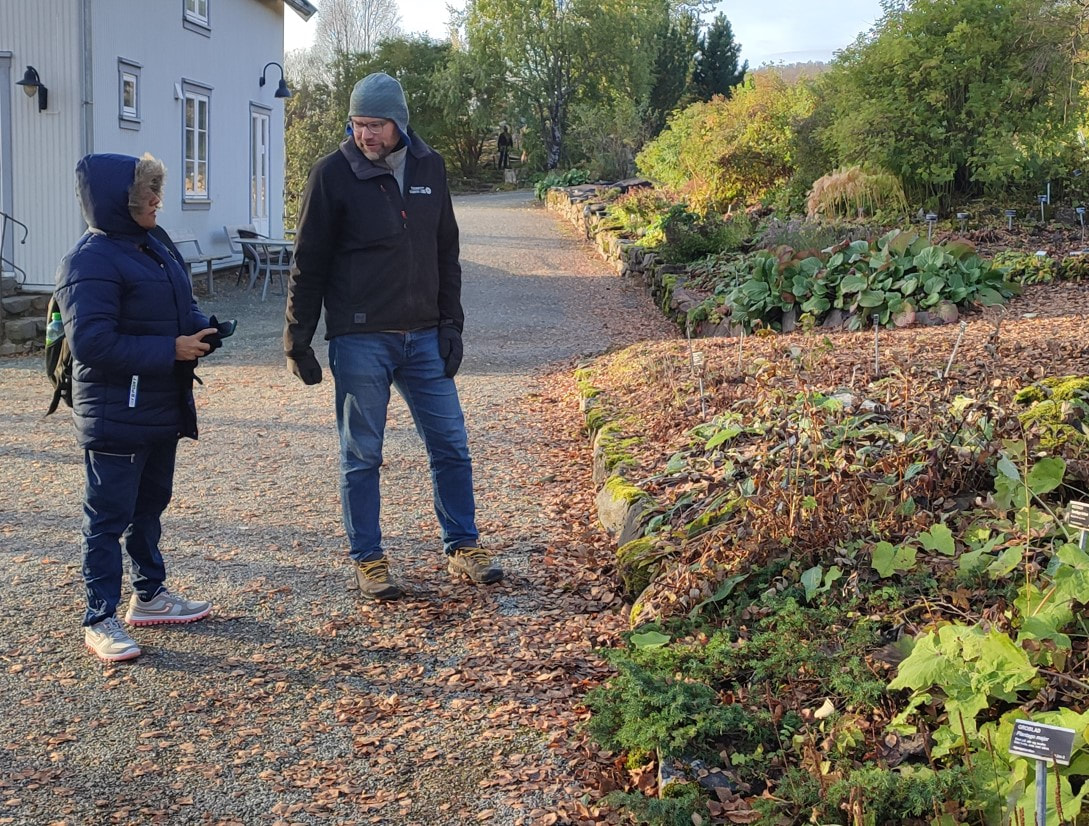
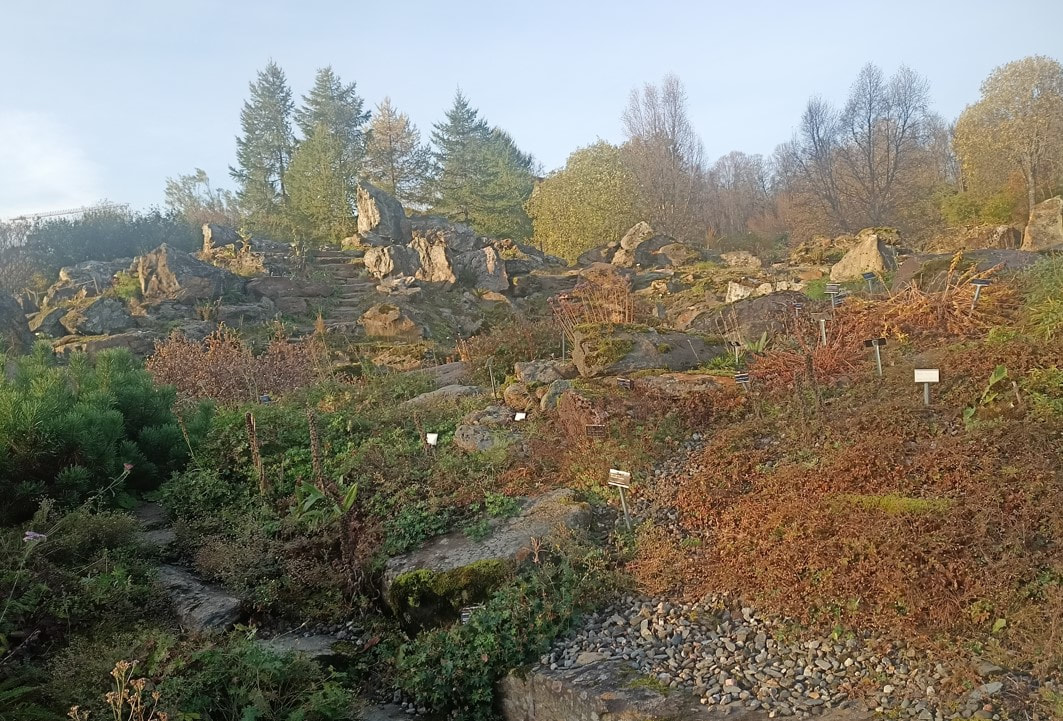
November 2023, Tromsø. As the Director of operations of the Colombo Zoo and botanical garden, our PhD researcher Anoma Priyadarshani was keen to visit sister organizations in Tromsø. At the Arctic Botanical Garden, she was received by Kristian Nyvoll, the Head research technician. He talked enthusiastically about their effort in the conservation and awareness programs, as well as scientific research. She was impressed by the Arctic alpine landscape, flowers, mosses, lichens aquatic plants and remarkable rock gardens. At the Polaria Aquarium, she was given a tour of the showrooms and backstage by the dedicated Head of the aquarium, Espen Rafter. She particularly enjoyed the lion jelly fish, colorful freshwater and marine creatures, remarkable informative displays, the stuffed Arctic animals and, obviously, the interactions with the seals. |
|
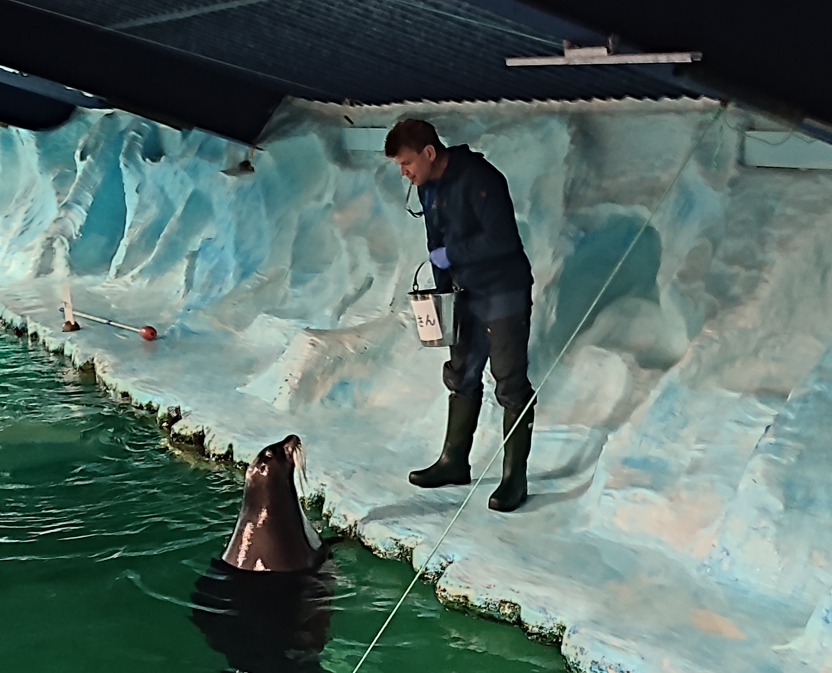
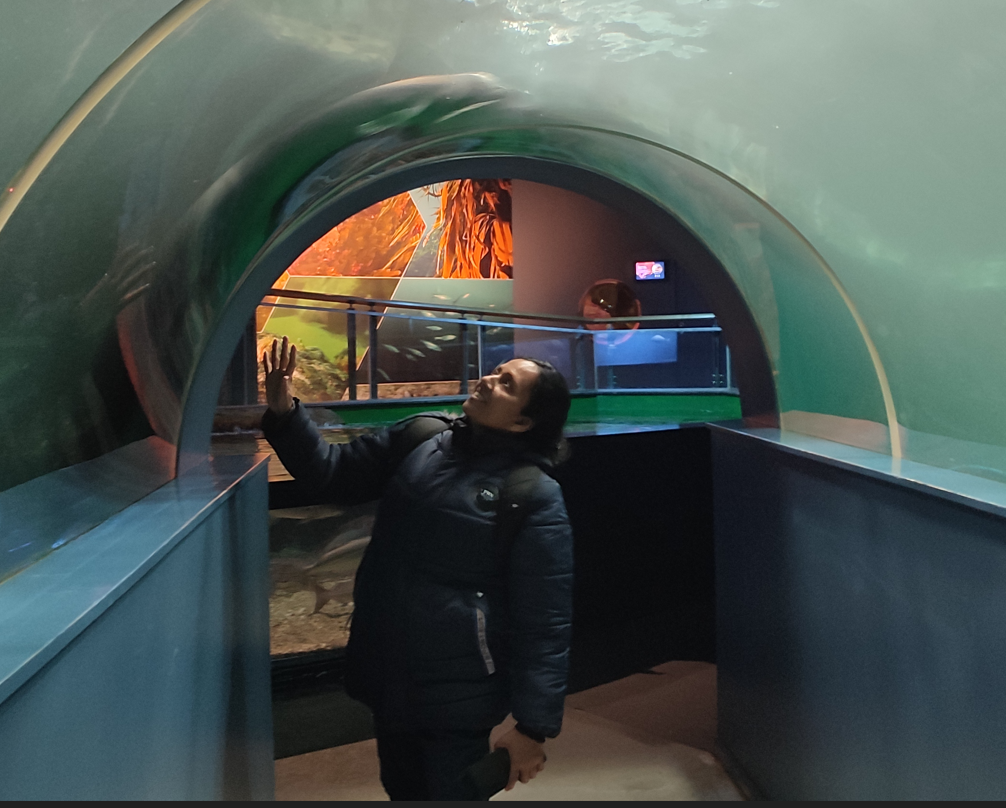
|
Endemic fish and wildlife in nature areas, Sri Lanka
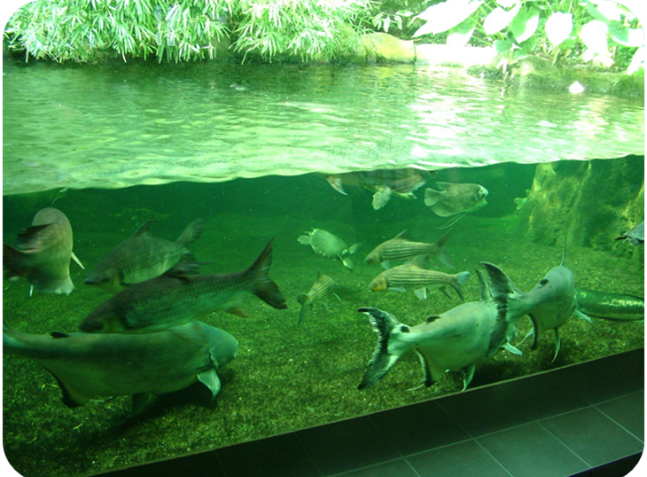
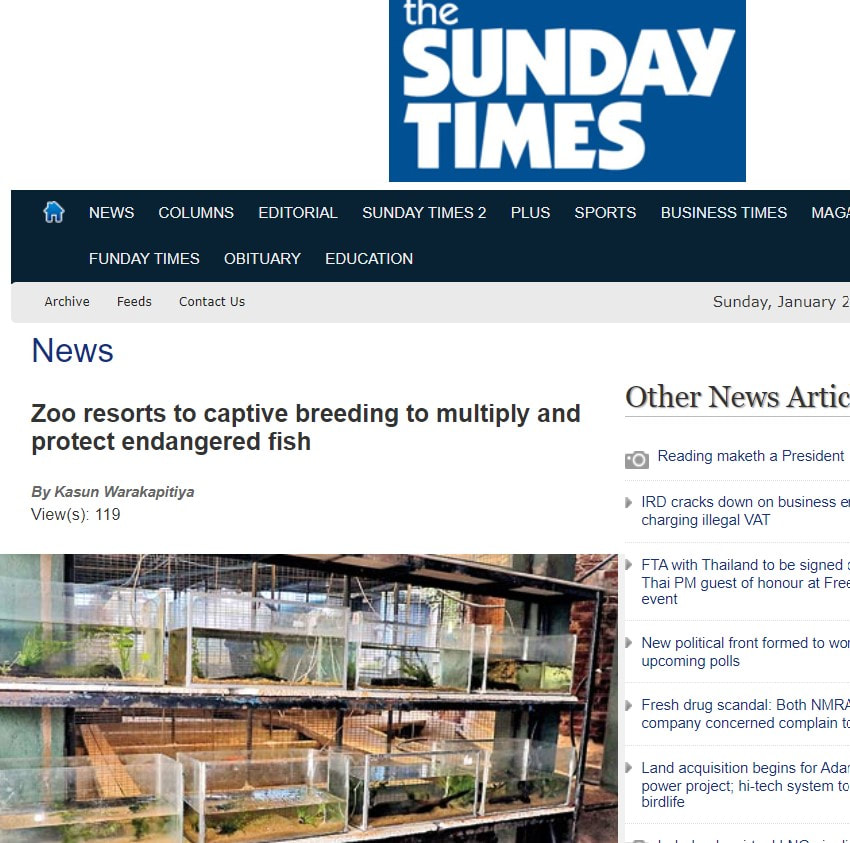
November 2023, Colombo. One of the guest-PhDs of the project, Anoma Priyadarshani, is the Director of Operation of the Department of National Zoological Gardens in Sri Lanka. She commands operations in four large nature areas: the Colombo Zoo, the Pinnawala Elephant Orphanage, the Pinnawala Zoo and the Hambantota Safari Park. The Colombo Zoo is a one of the oldest zoos in the Asia and is home to more than 3000 different animals. It houses walk-through aviaries, butterfly gardens, aquarium, museum, evergreen landscape, and an educational and interaction department. It plays an important role for animal and plant conservation, education, and research, including the preservation of endemic fish species. Read more here (The Sunday Times, Sri Lanka). |
|
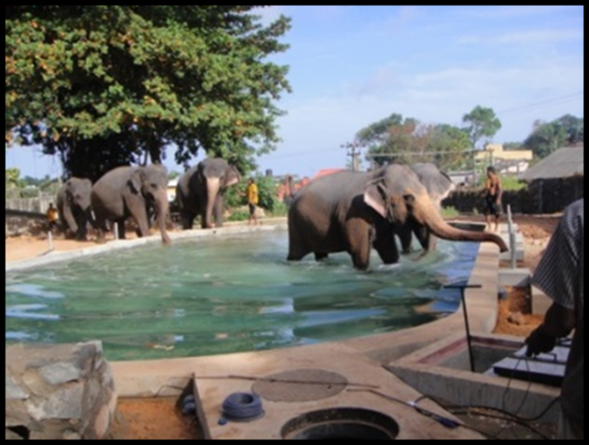
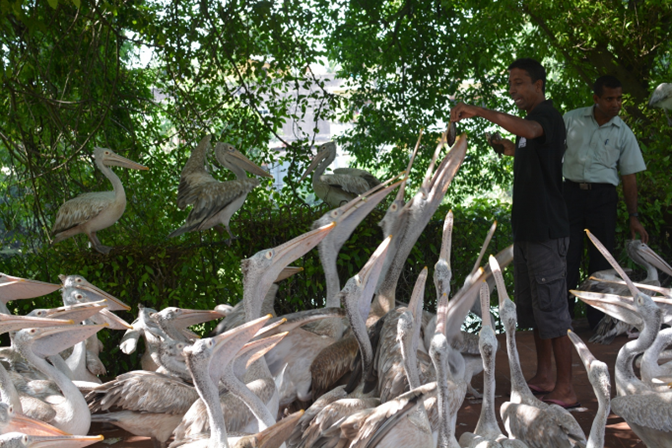
|
Research stories: Willingness to investigate
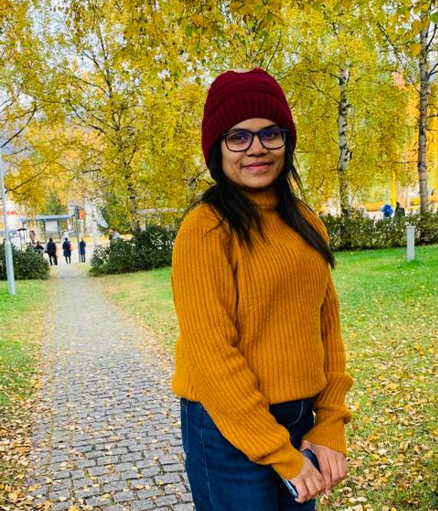
October 2023, Tromsø. Lasami De Silva, a PhD researcher from the University of Ruhuna, successfully completed her three-month mobility at UiT as a part of the Nor-Lanka Blue project. She conducted a meta-analysis of the willingness to pay for fish and fish products. This will assist her performing choice experiments regarding the consumption of small pelagic fish in Sri Lanka. Together with her supervisors, Dr. Thuy Pham (UiT) and Prof. Nilantha De Silva (Ruhuna), she will turn this insight into a publication. Lasami is leaving with “good memories and friends for a lifetime”. |
|
|
One salmon, two salmon, ... many fish
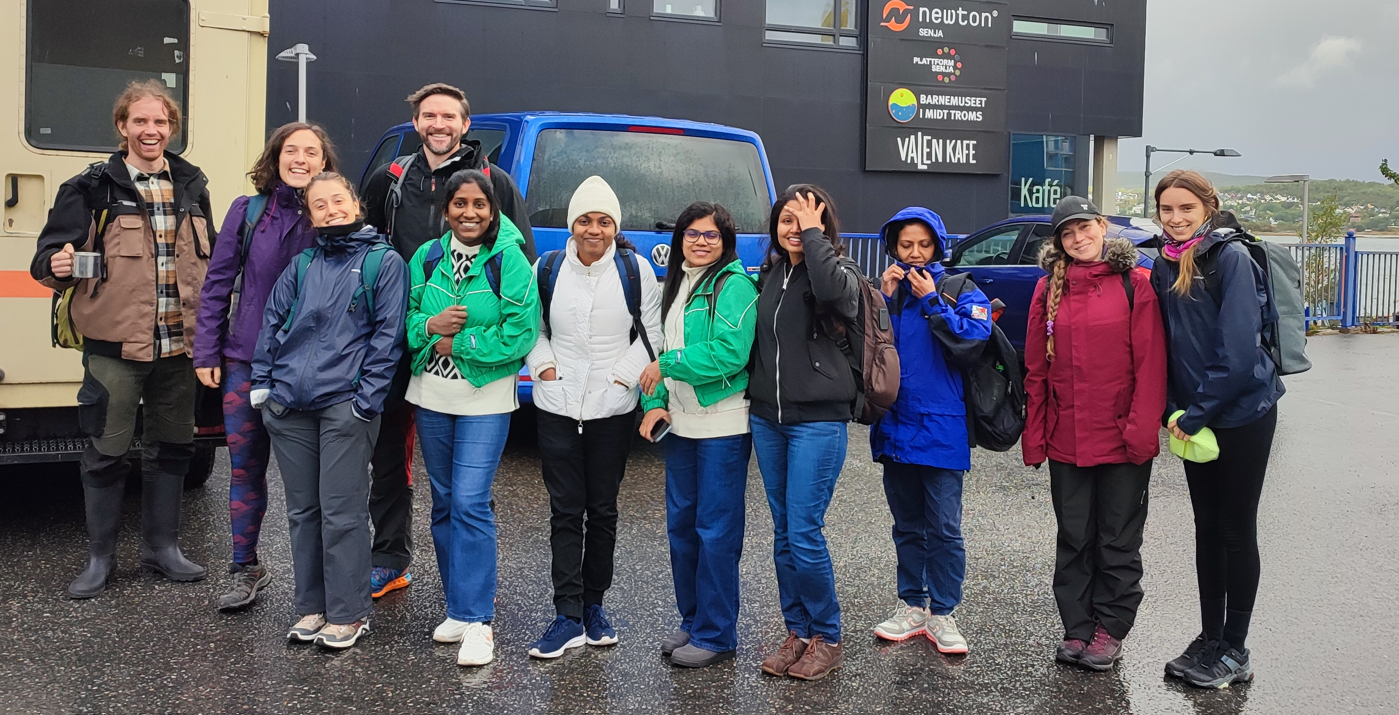
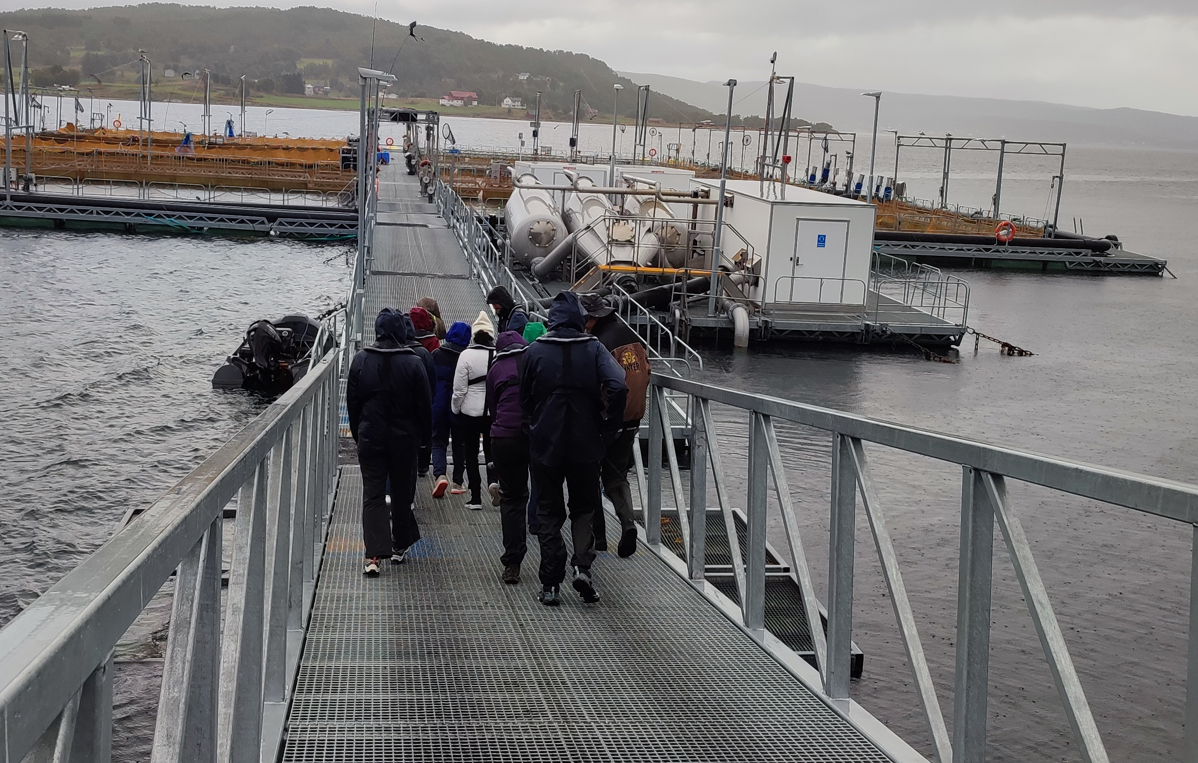
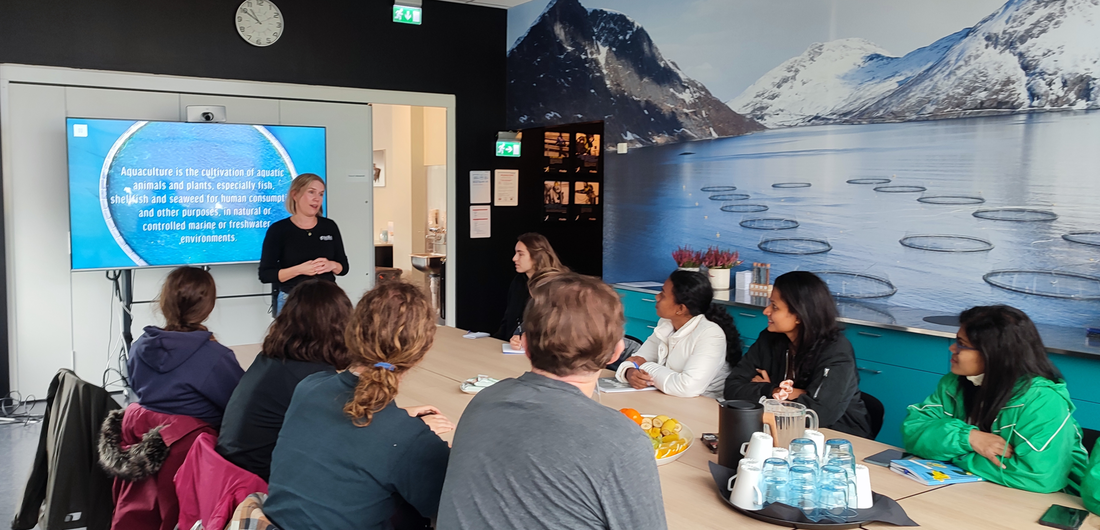
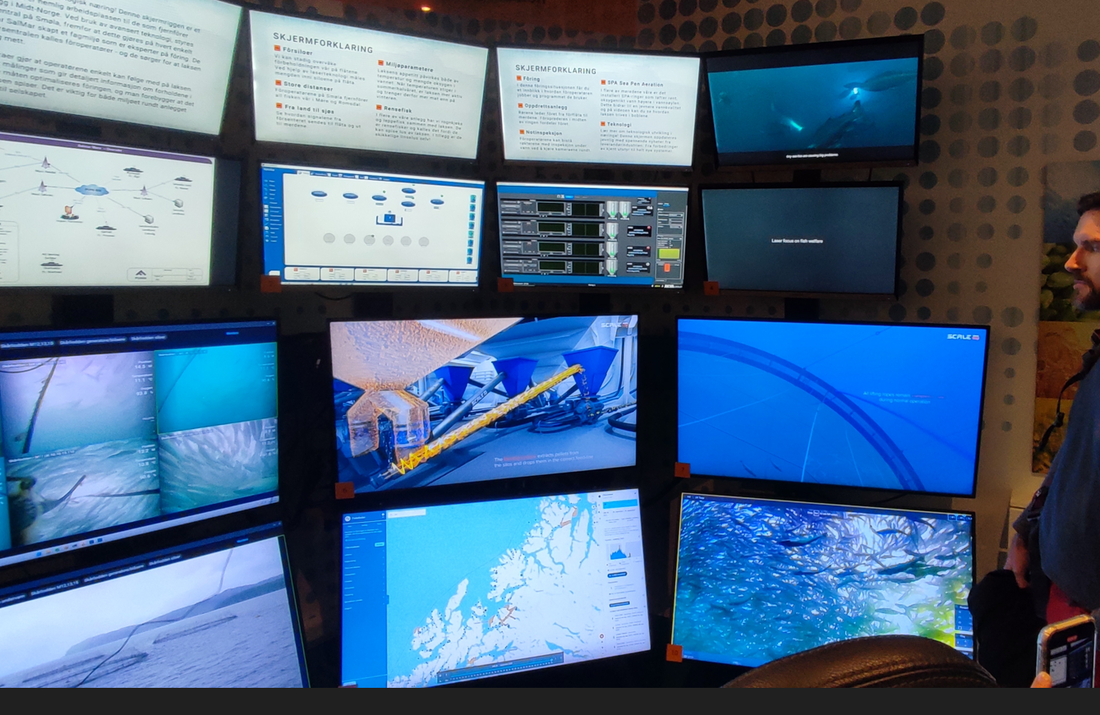
October 2023, Senja. The island of Senja is home to a vibrant fishery and aquaculture industry that engages thousands of people of all ages. Our mobility students and PhDs joined a curricular course in Biology and Technology Research and visited different installations of Salmar, a major player in salmon aquaculture. Led by the host, Janne Folkestad, we guested the visitor’s centre in Finnsnes as well as the large nursery and the combined operation center, slaughtery and processing plant in Senja. This is a good example of how research and entrepreneurship have created a world-leading industry. |
|
|
All you wanted to know about fisheries in Sri Lanka
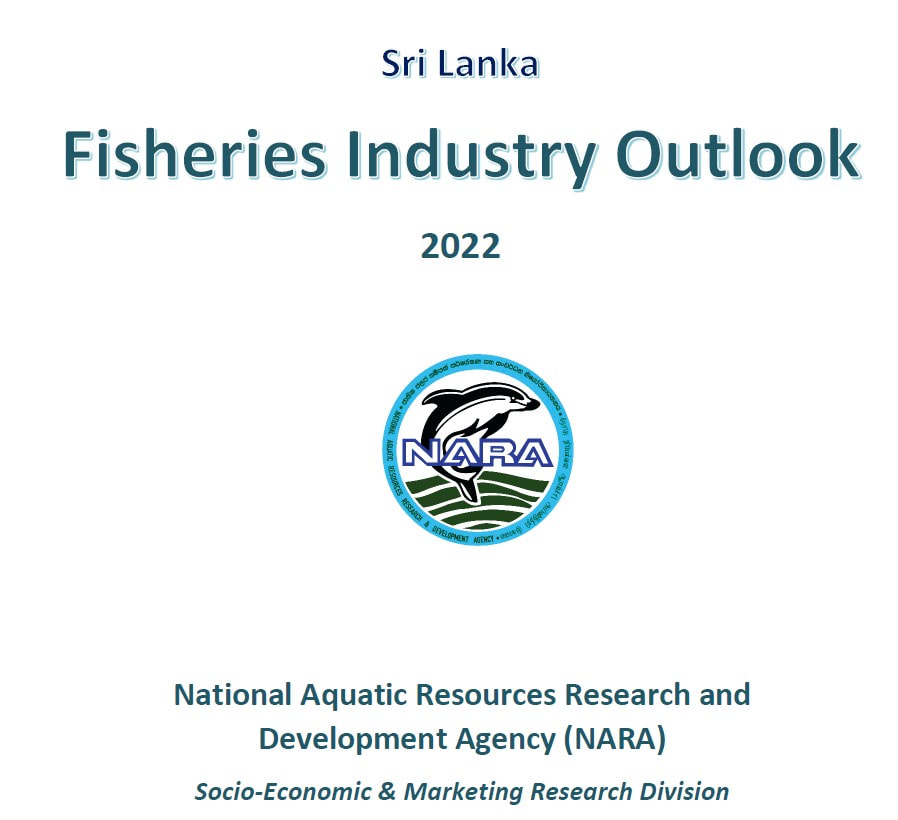
October 2023, Colombo. Dr. Lalith Amaralal and the Socio-economic & Marketing Research Division of NARA have just compiled the ‘Fisheries Industry Outlook’ for 2022. The ‘Fisheries Industry Outlook’ comprises of data and information on the status and development of fisheries sub-sector of the economy with special emphasis on production, trade and marketing and consumption of fish and fishery products. This is the all in one handbook of fishery industry statistics of Sri Lanka, and is recommended for all doing research on the last trends. |
| ||
|
A new doctor in fishery economics
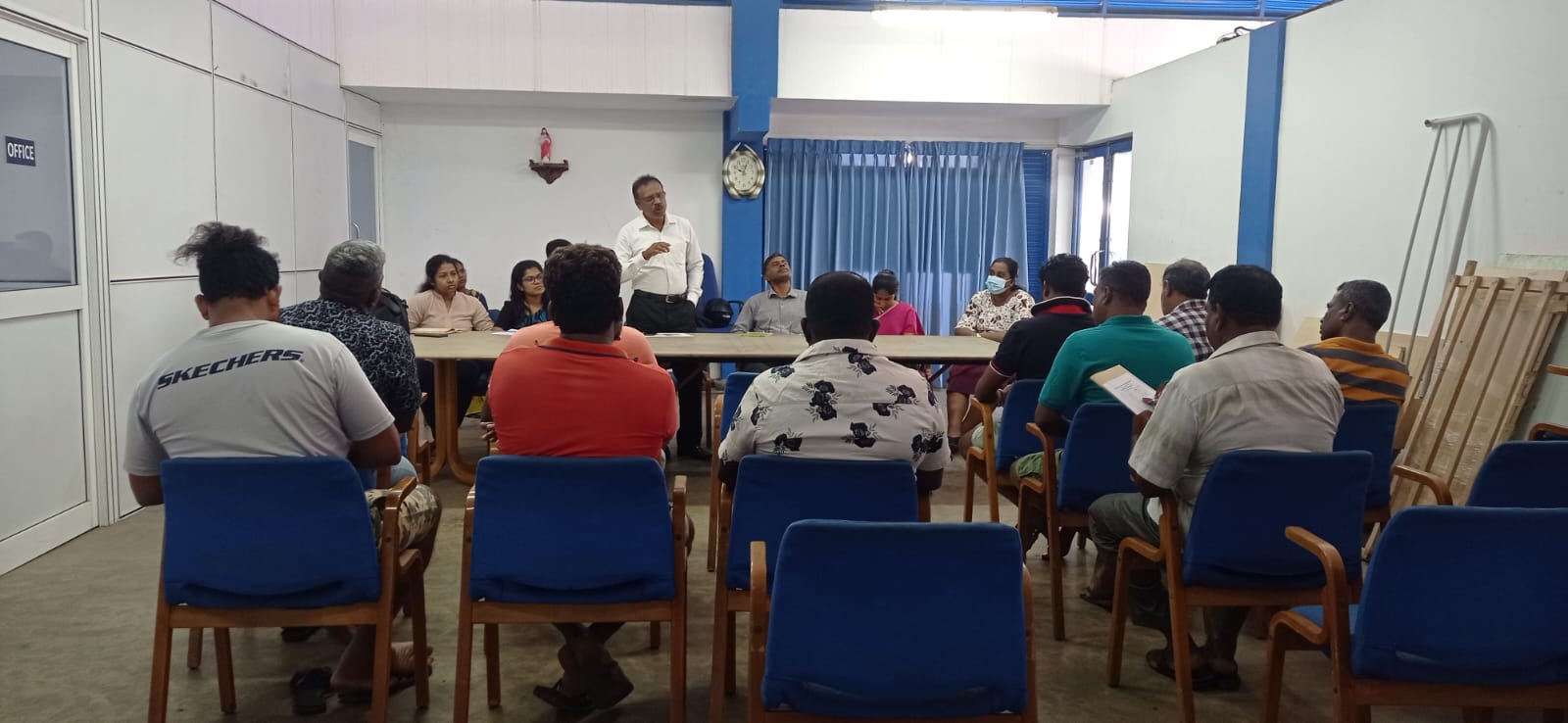
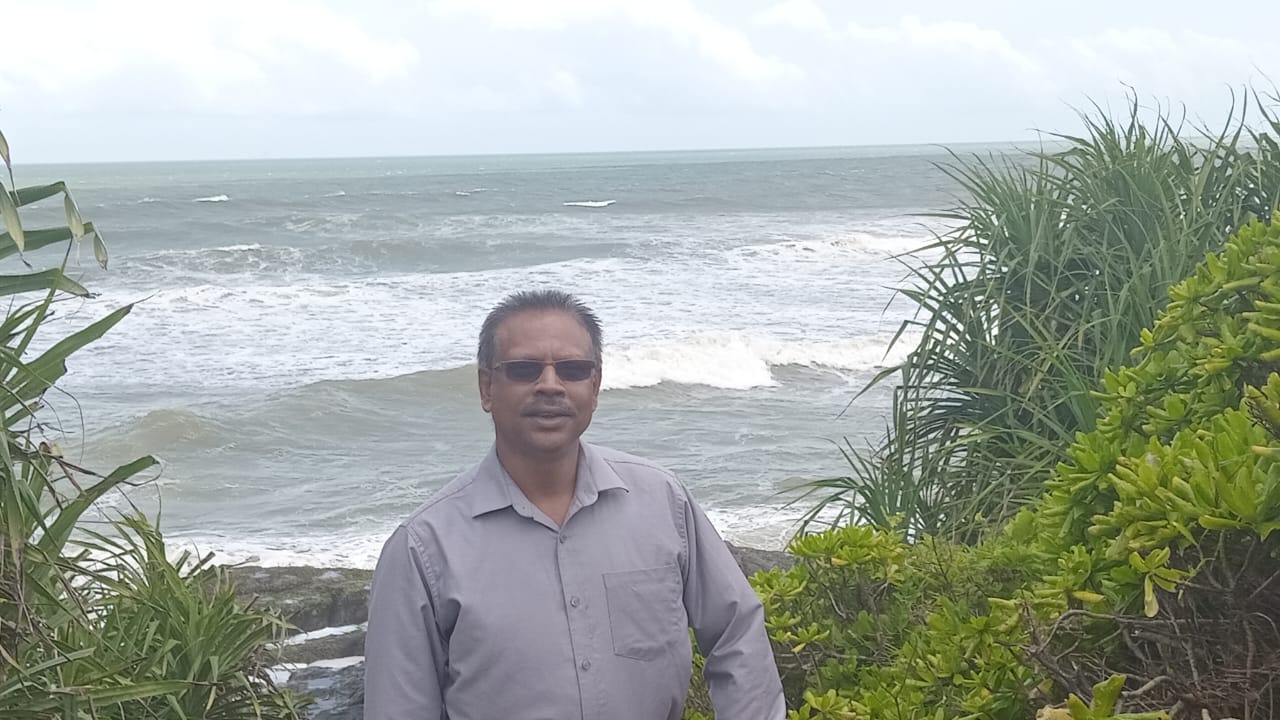
September 2023, Colombo. The Nor-Lanka Blue project is proud that Dr. Lalith Amaralal Kariyawasam has recently defended a dissertation with title Technical Efficiency of Offshore Fishing Fleet in Sri Lanka at the University of Colombo. Amaralal, who is the head of the Socio-economic and Marketing Division of NARA, has been deeply engaged with the project since its inception. His connection to the University of Tromsø dates back to the 1990’s when he graduated from a Master’s program in International Fishery Management. During his doctoral work he visited Tromsø again as a project scholarship grantee and worked with Professor Arne Eide in the conclusion of a manuscript on same title. Congratulations. |
|
Landed in the Arctic
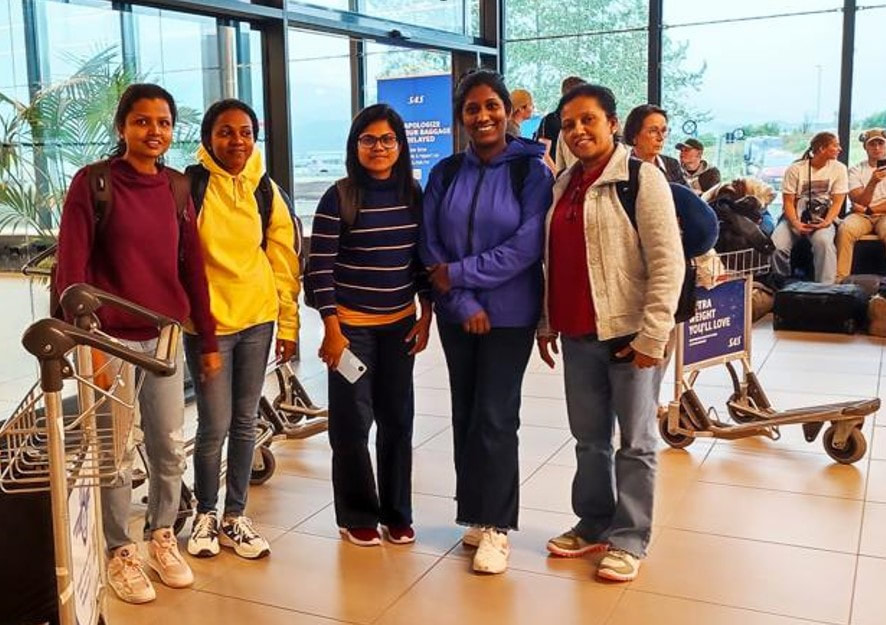
September 2023, Tromsø. Two PhD researchers and three master students from the Universities of Ruhuna and Jaffna, Lasami, Anoma, Chandima, Chamika and Ishara, arrived for their mobility periods. They were received by staff and families who guided them through the first steps in Tromsø. They also had the opportunity to participate in the Debut week at UiT and an enjoyable mountain trip with international students. The academic year has now started for real and their are busy working with their subjects and local supervisors.
September 2023, Tromsø. Two PhD researchers and three master students from the Universities of Ruhuna and Jaffna, Lasami, Anoma, Chandima, Chamika and Ishara, arrived for their mobility periods. They were received by staff and families who guided them through the first steps in Tromsø. They also had the opportunity to participate in the Debut week at UiT and an enjoyable mountain trip with international students. The academic year has now started for real and their are busy working with their subjects and local supervisors.
|
The five essentials of mobility to Tromsø
August 2023, Sri Lanka Pamudi, a seasoned mobility student, recently held an online session for her travelling juniors before their departure to Tromsø. There are many things to remember (see appended file), but she highlights: 1) Beware of luggage restrictions and keep essential belongings in the hand luggage; 2) Bring your own medicines and inform your mates of any special condition; 3) Bring few clothes, but be prepared for the winter. And also bring ready made food items like pickel, dry fish etc with good packing and labelling; 4) Upon your arrival in Tromsø, collect cash card, room key, housing contract, traveling card, police appointment for visa; 5) At UiT, the orientation program will provide all the guidelines. Activate your User account, and in many situations Oracle will be able to assist you. |
| ||
|
Student mobility, fishing and food exchange
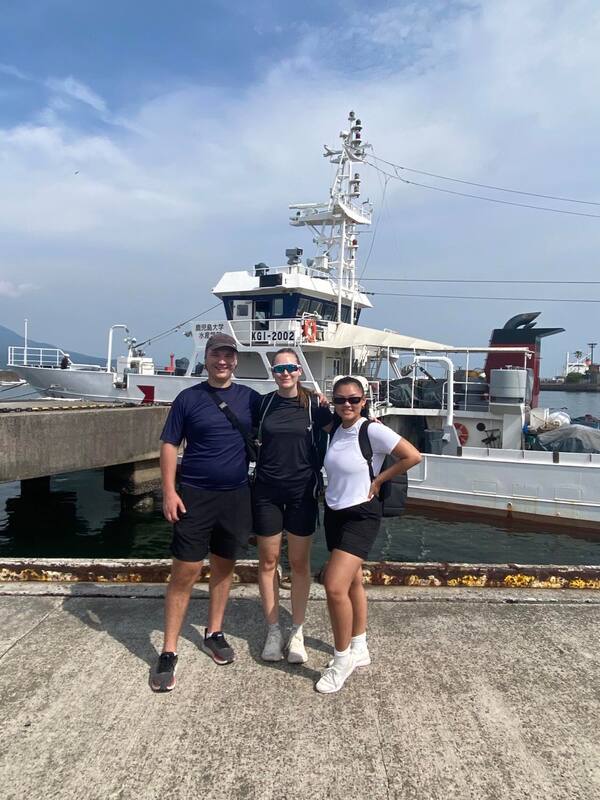
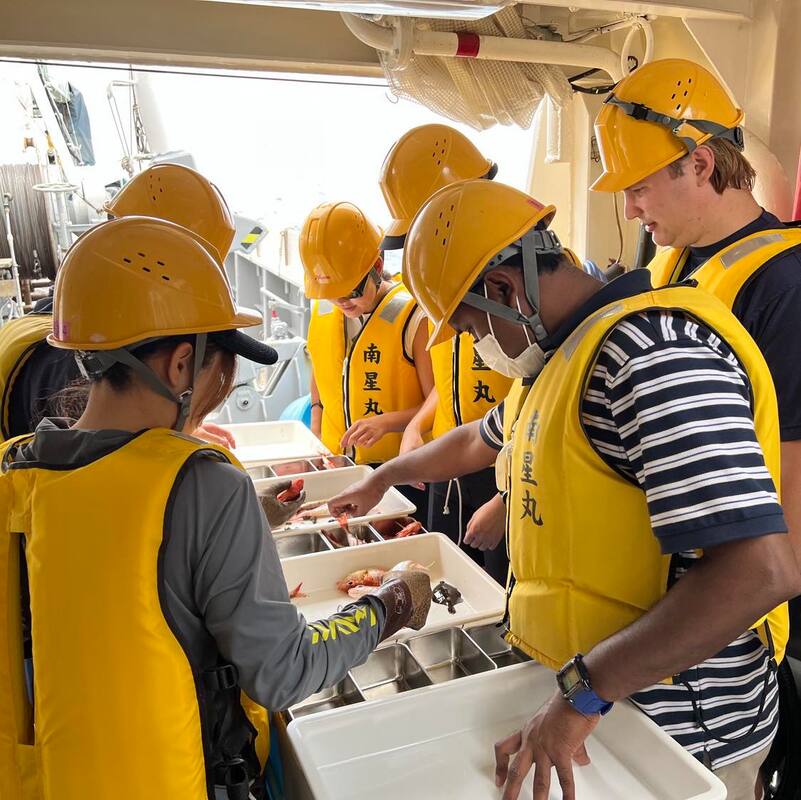
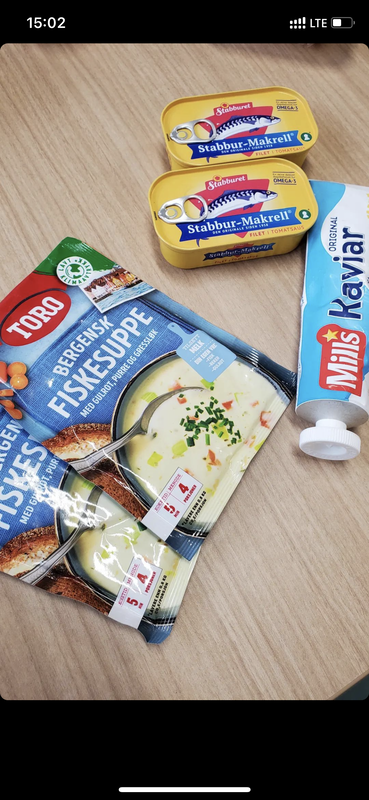
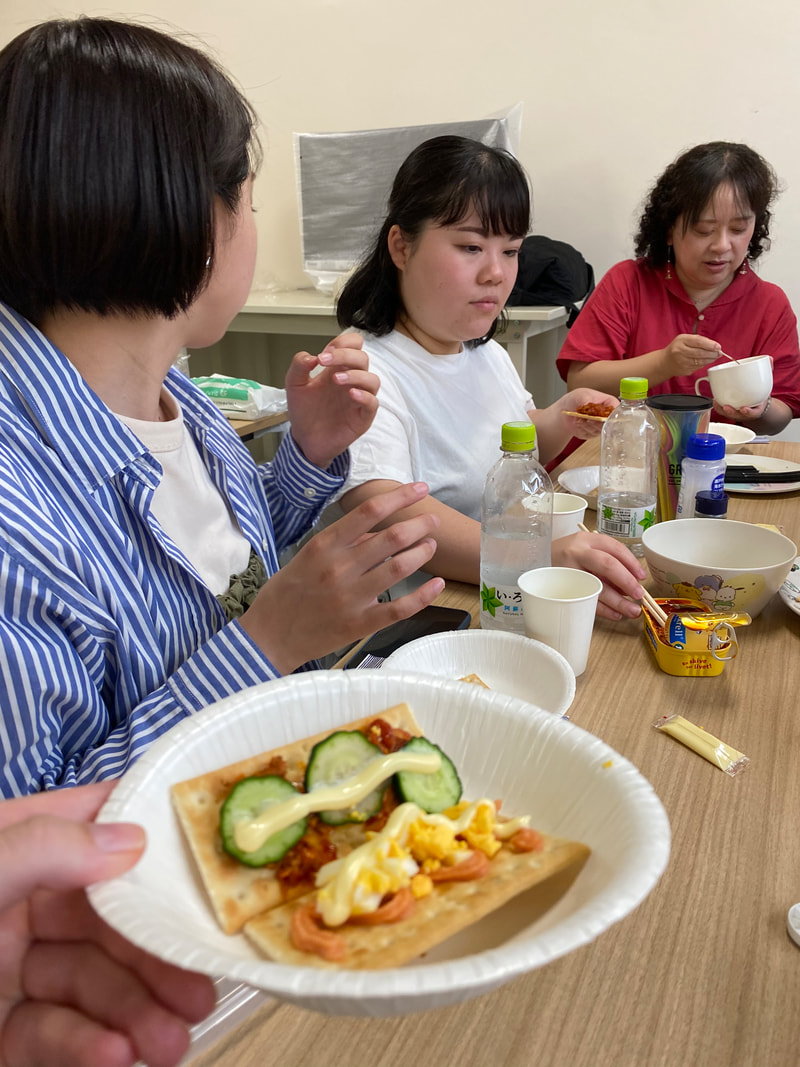
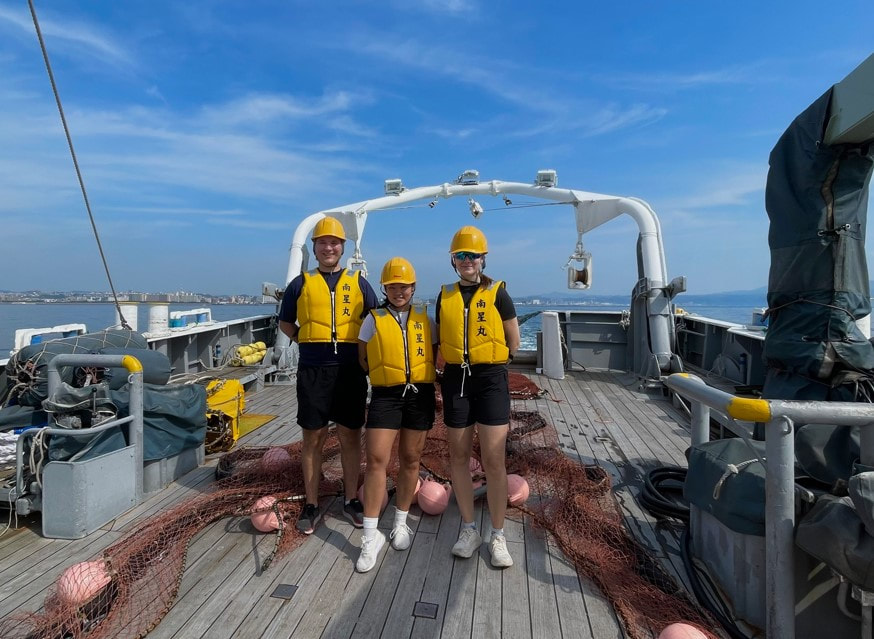
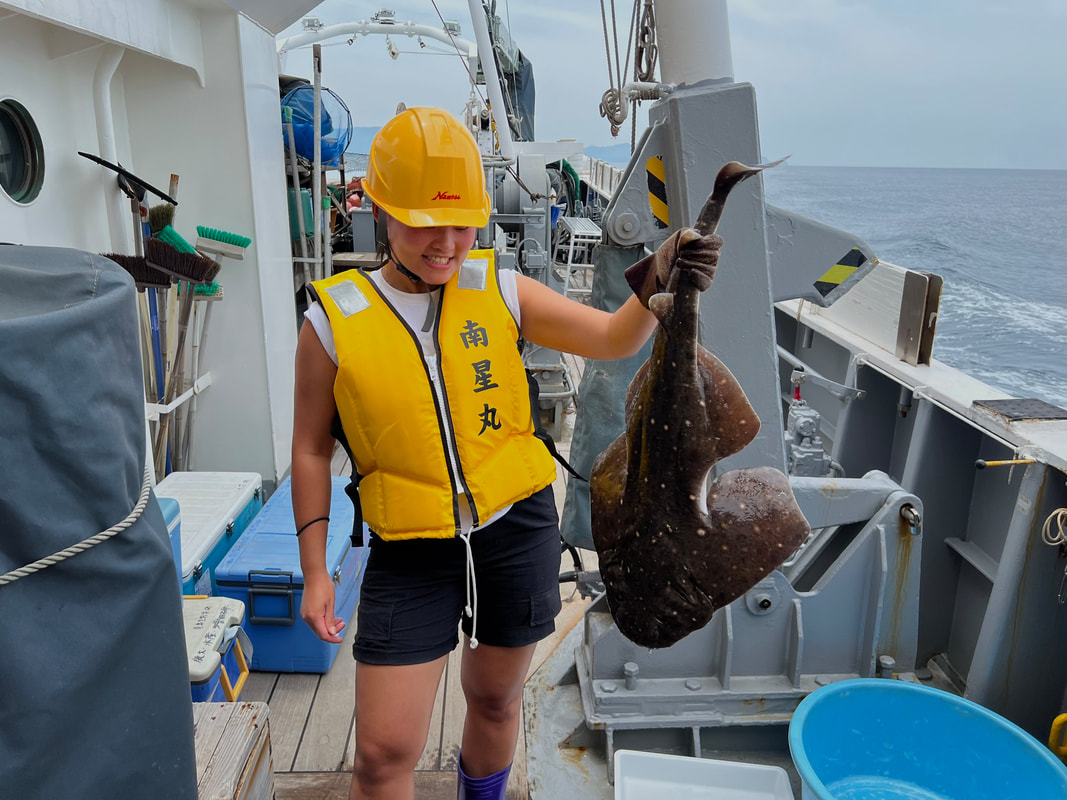
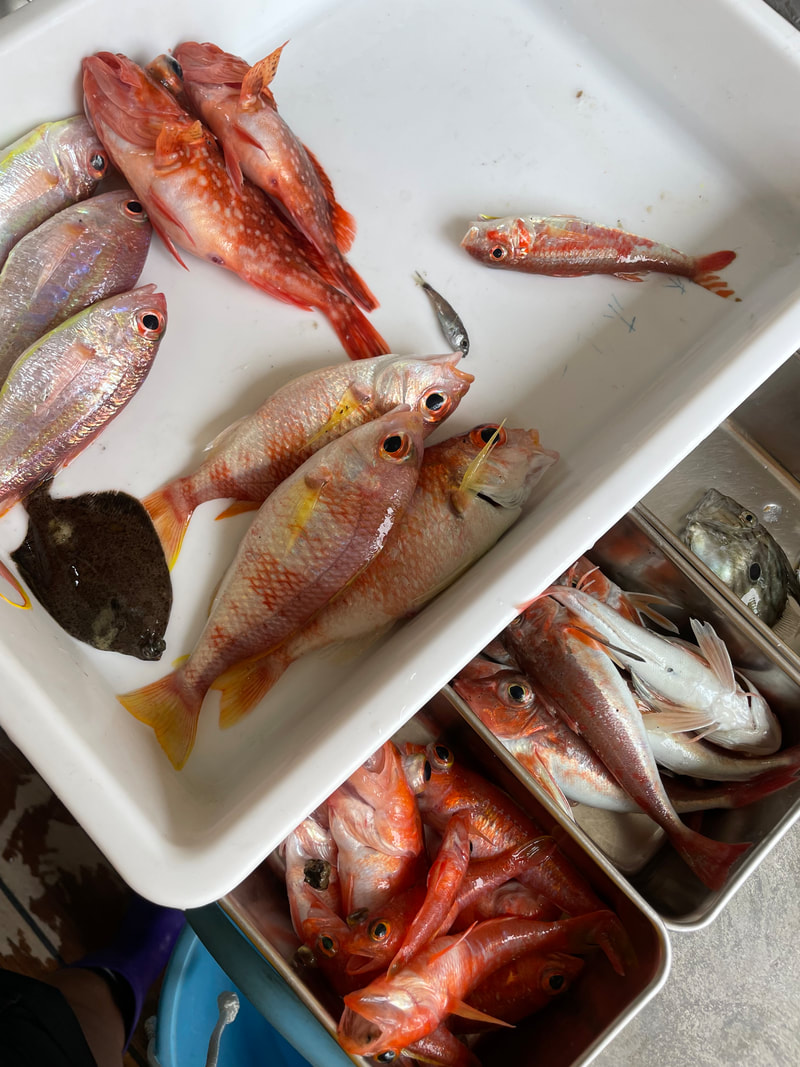
August 2023, Kagoshima. Helene, a mobility student from UiT, reports on a research cruise with the vessel Nansei-maru, which the three Norwegians joined upon the gentle invitation of Professor Otomi. “This ship provides education, and practical training in navigation and seamanship for undergraduate and graduate students at the University of Kagoshima. Soon after departure, we could enjoy a nice breeze and the majestic viewing of the active volcano, Sakuraijma. The goal of the voyage was to sample fish and crustacea from bottom trawls from two different deep-sea areas in Kagoshima Bay. After sampling we sorted and counted the different species and packed them in ice. After some work, we got a delicious lunch with Japanese curry, before heading back to the harbor.” Then Helene treated her research group with a Norwegian meal consisting of red caviar from the tube and fish soup from a package, which were as fresh as she could get her hands on. Apparently, her research group greatly enjoyed it. |
|
|
Asian collaboration between Hokkaido and Ruhuna on bio-economics promoted
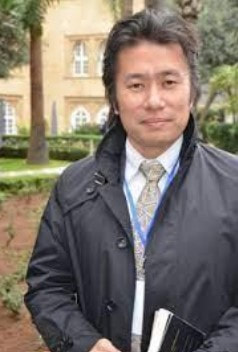
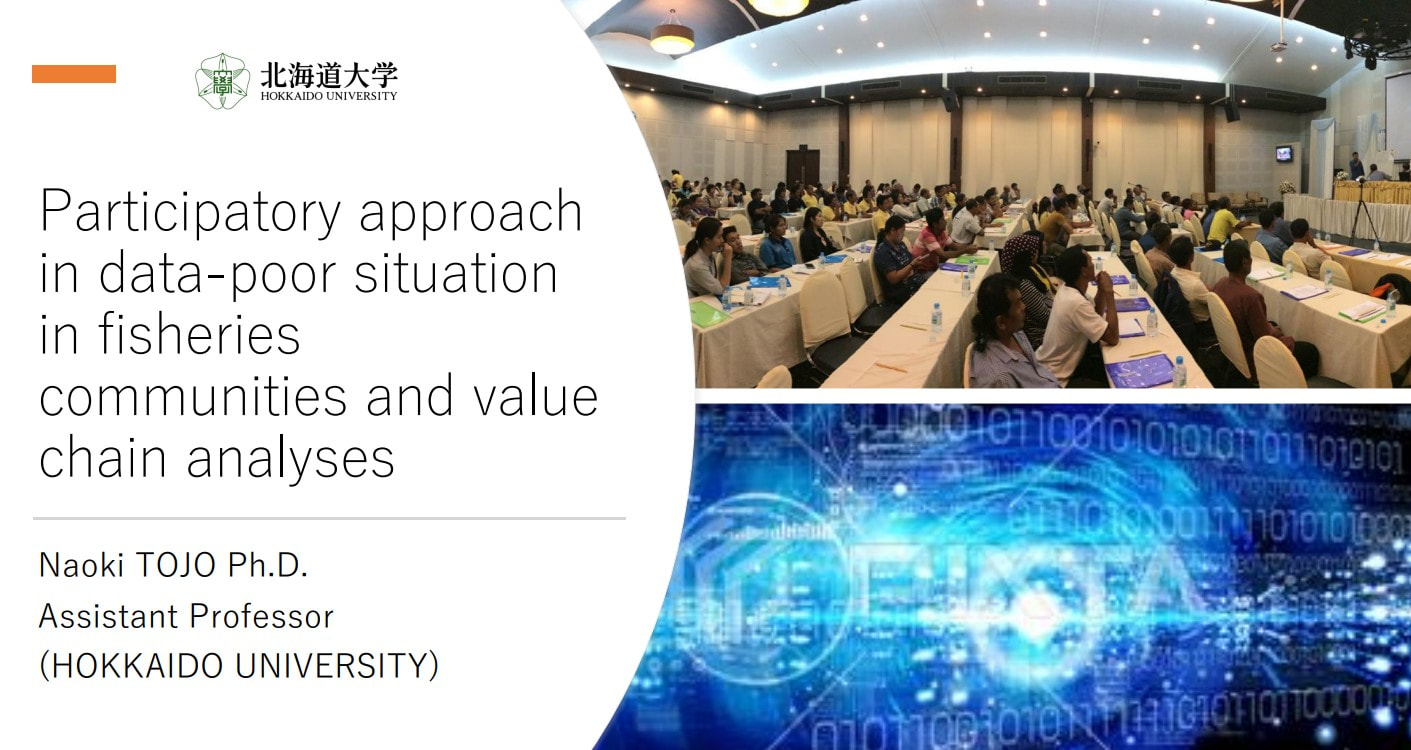
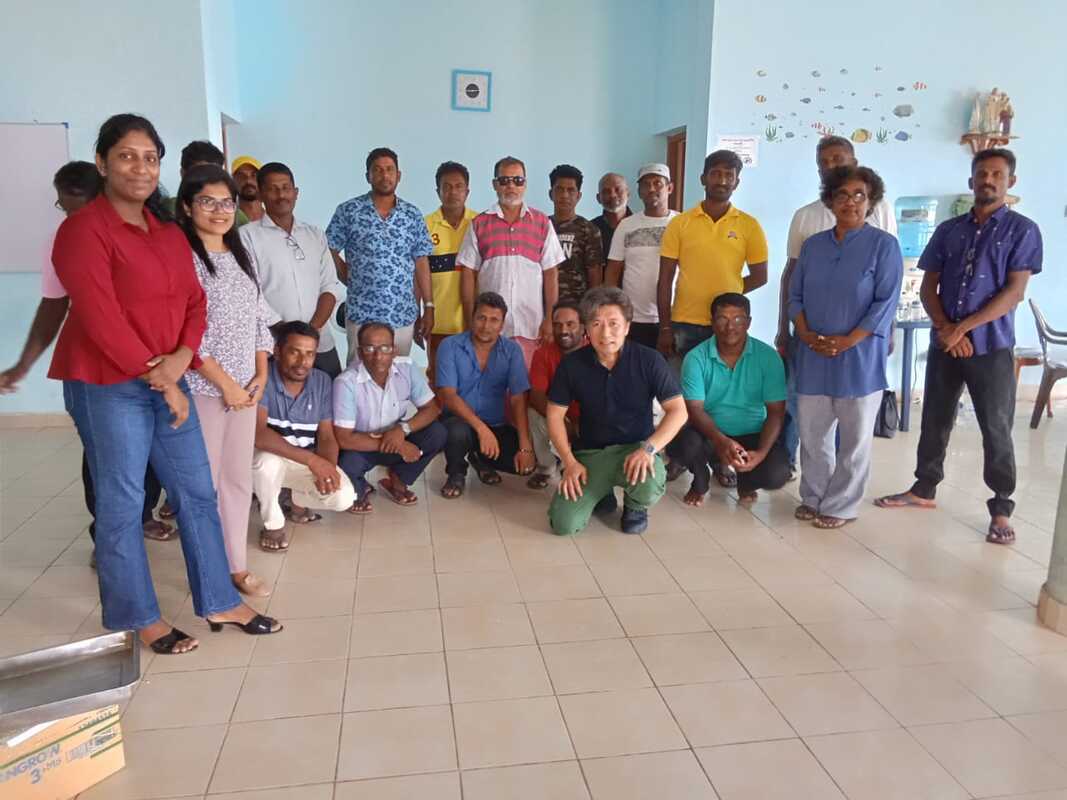
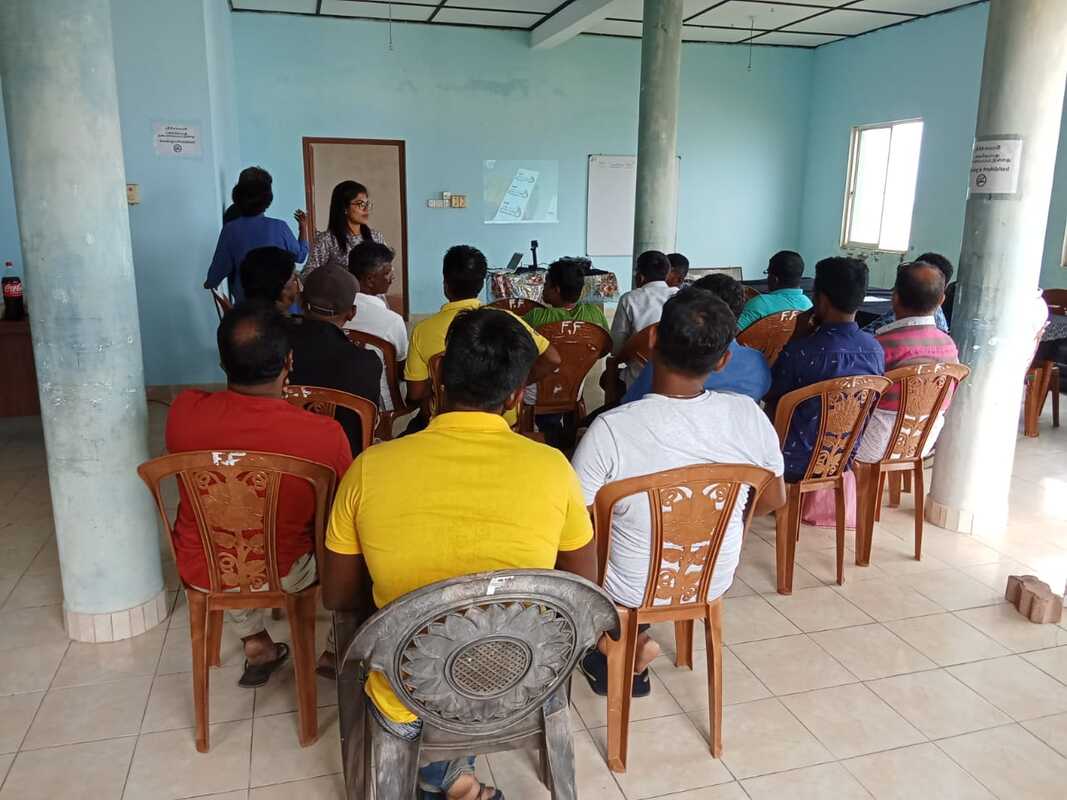
July 2023, Negombo. Professor Naoki Tojo from the Faculty of Fisheries Science, Hokkaido University, Japan, has a long collaboration with the NARA institute, and has frequently guested the workshops of the NorLanka Blue project. He has now visited the University of Ruhuna at the invitation of Prof Nilantha De Silva (PI). He held a seminar on the topic of participatory approach and value chain analyses in data-poor situations, with focus on countries of the Pacific and Indian Oceans. Together they supervise one NorLanka Blue fellow student (2023), Lasami Upsala. They performed fieldwork together, including a focus group session at the fishers' cooperative in Palagathure. This disclosed important bio-economic insight on the small pelagic fisheries (Sardinella and Hilsa species). Other student fellows, Chandima (2023) and Wipuni (2022) helped make the event a success. |
|
|
Starting an exchange semester is not easy...
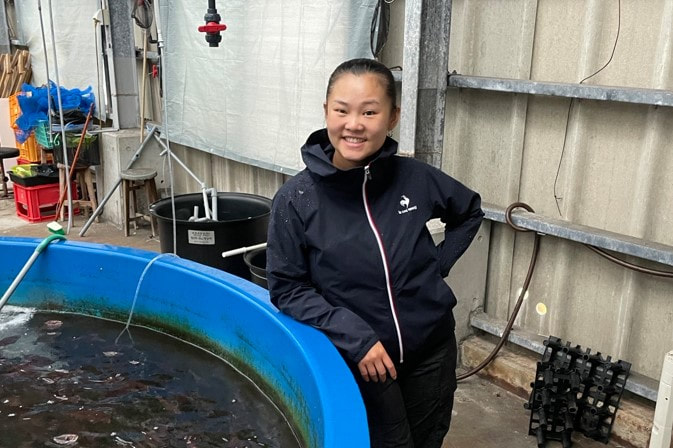
July 2023, Kagoshima. As Anne-Mali from UiT puts it "you move away from the familiar and into something completely new. New culture, new people and new routines. Learning a new language is also demanding, but the feeling of mastery you get is fantastic. Through hours of seminars, we learn about Japanese industry and how everything is connected. This gives us knowledge that we can take with us to Norway, and we can give away valuable knowledge in return. Many hours are spent at school, but we also get to participate in wonderful experiences under sunny blue skies and calm seas. The seinsei make it possible for us to see all the wonderful Kagoshima has to offer, and we regularly join in on trips and practical tasks. Although starting an exchange semester is not easy, it is fully worth it, and you are left with memories, knowledge and friends for life." |
|
|
Travelogue: Arrival in Kagoshima - on wheels
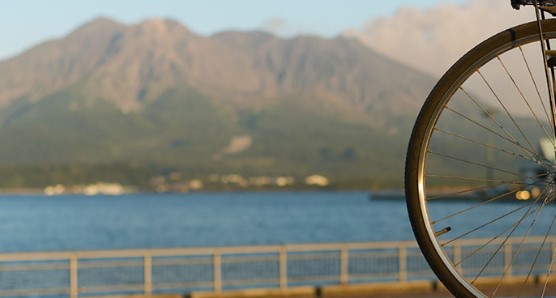
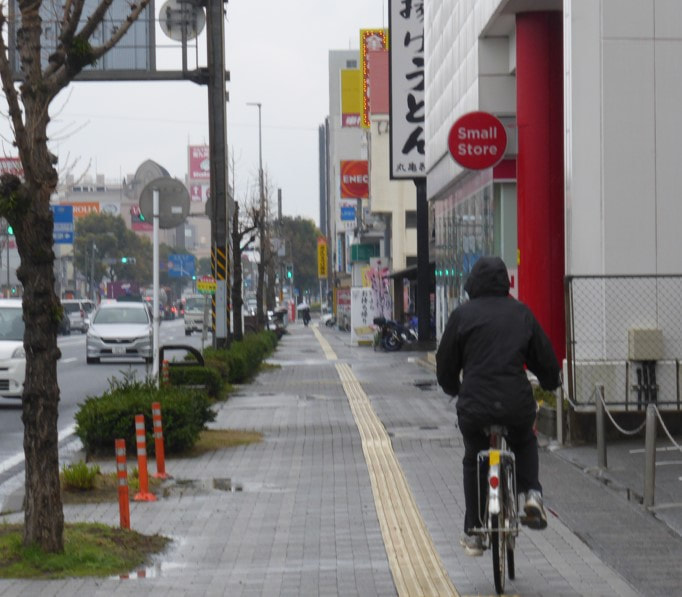
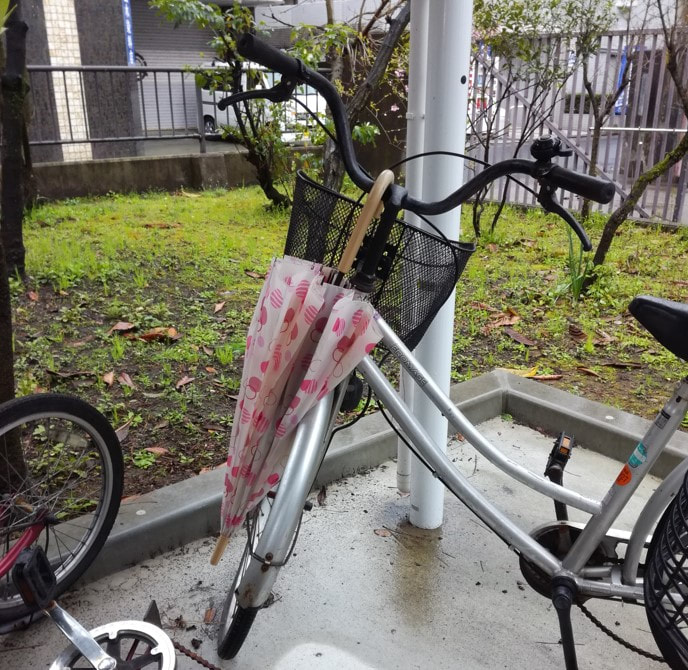
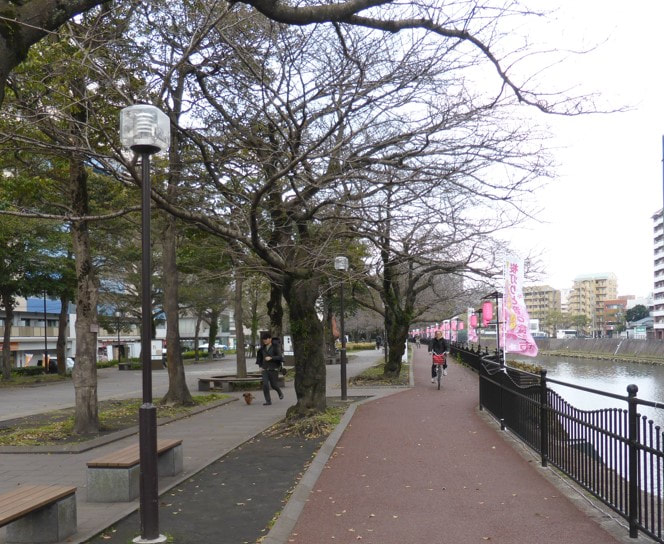
June 2023, Japan. UiT students Jonas, Helene and Anne-Mali enjoyed a warm reception at the University of Kagoshima in April, for the second part of their exchange term in the Asia Explorer program. At their new home, the student residence Kaikan, they were welcomed by the hall supervisor and their personal tutors. These guided them to different stores to buy equipment for their rooms and classes. “After a good lunch at an authentic Japanese restaurant, the tutor Seoseok from Korea took us to a secondhand shop, just a few minutes from Kaikan. There we bought three bicycles. Two pink ones, and one ash gray. These bicycles were going to take us all around the city”. |
|
|
Supporting the good work of Methnana Foundation
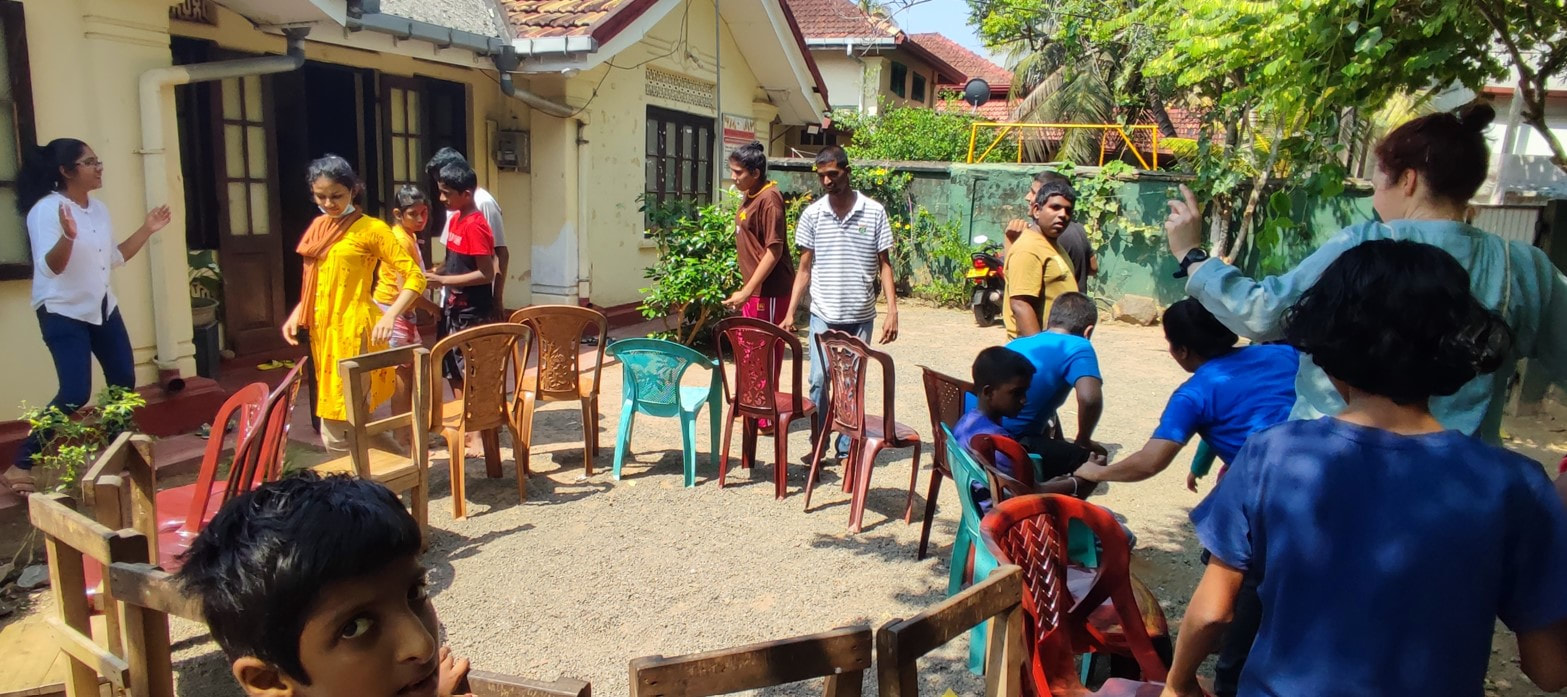
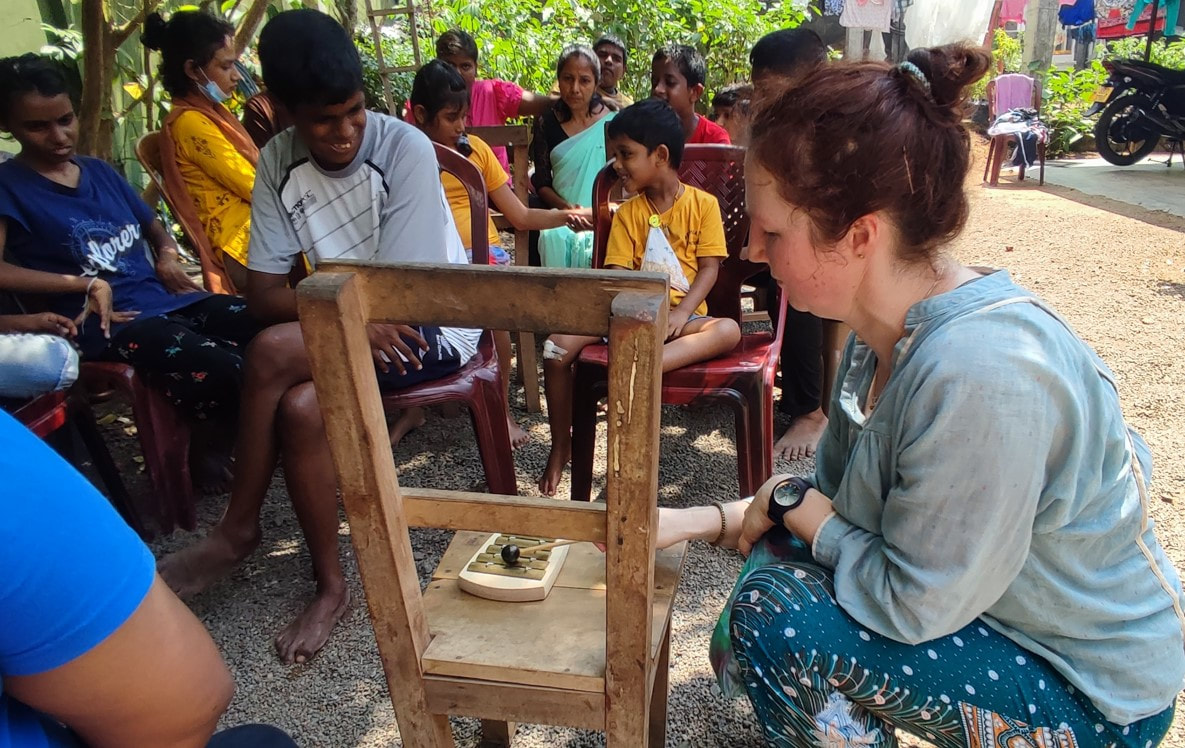
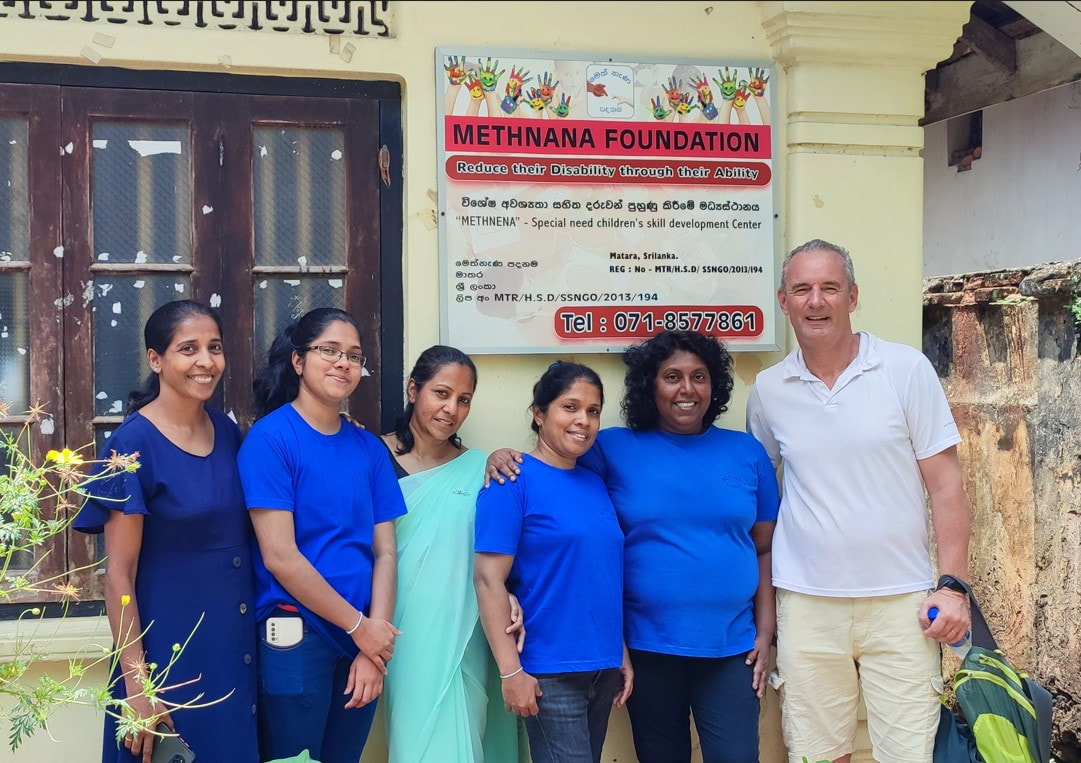
June 2023, Matara. NorLanka Blue has joined several exciting side-initiatives. The Methnana Foundation runs a school in Matara for children and youth with disabilities and special needs. Trine Aase, a teacher from Tromsø, was introduced to the school a few years ago by our colleagues in Ruhuna. She has recently contributed with a sample of pedagogical materials that was eagerly received by the schoolteachers. In March, when the Norwegian exchange students were leaving their flat in Matara, they donated some of their new home equipment. Lilli Mittner, who was a guest lecturer at the workshop 2023, also visited the school. She has a research background in the utilization of music as therapy. We joined the happy kids outdoors in their songs and dances during their music day. |
|
|
Biorefinery and valorization of the tuna catch
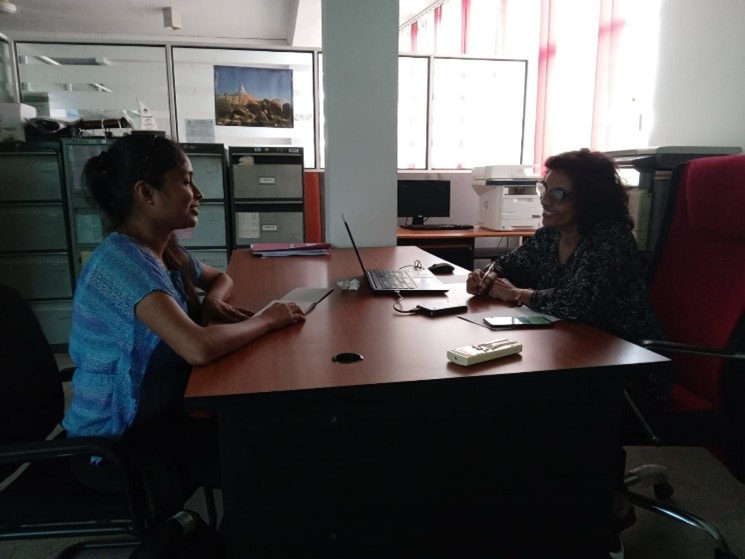
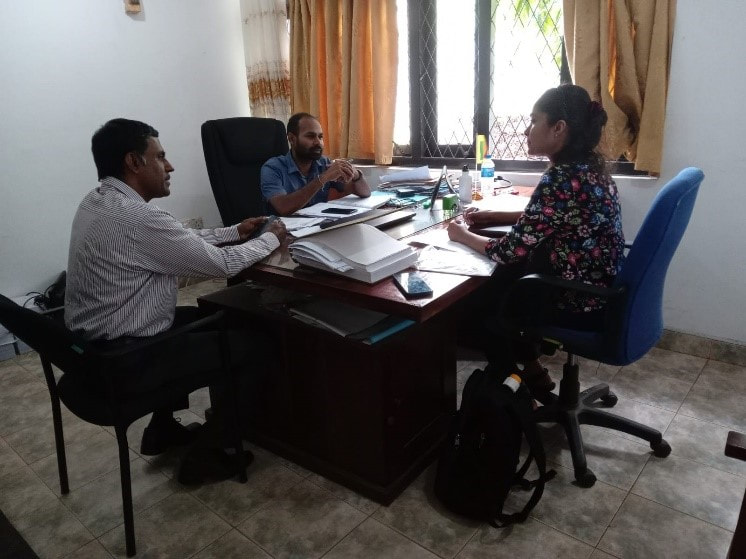
May 2023, Iceland. Too much of the tuna catch is wasted in post-harvest loss in Sri Lanka. Dhanushka Dilini Jayaweera, a fellow of the GRO- Fisheries Training Program in Iceland, is doing something about it. She developed a novel approach to recover high-added-value compounds from by-products of Yellowfin tuna. This single biorefinery approach was the research work that earned her the recent graduation from that program. Dhanuska, who is an earlier fellow of NorLanka Blue, completed her investigation at the Matis Food and Biotechnology R& D Institute under the supervision of Ms. Cécile Dargentolle. |
|
|
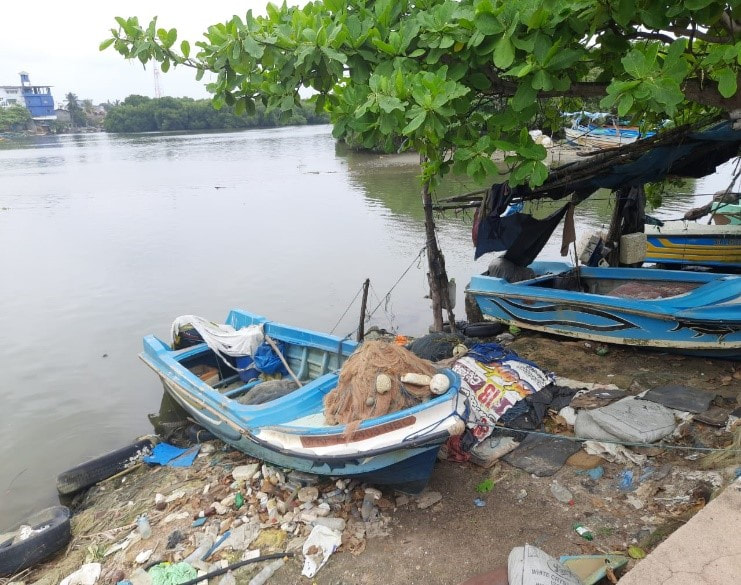
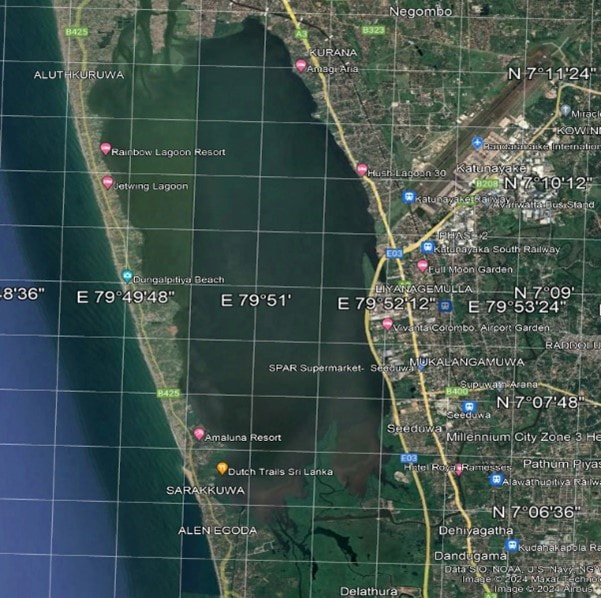
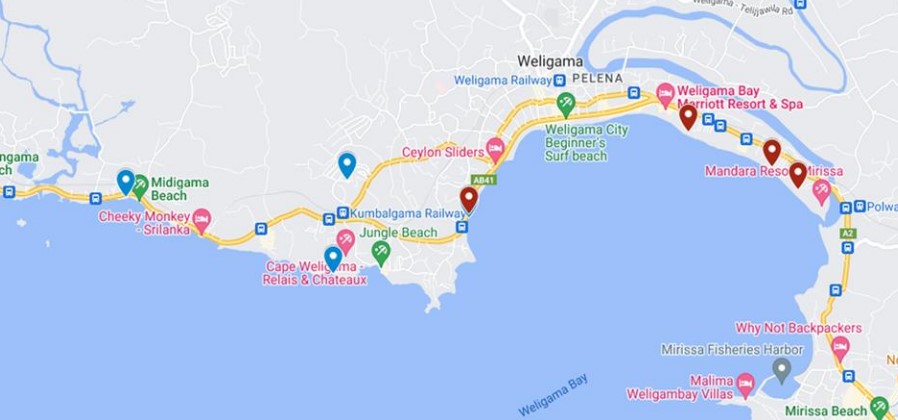
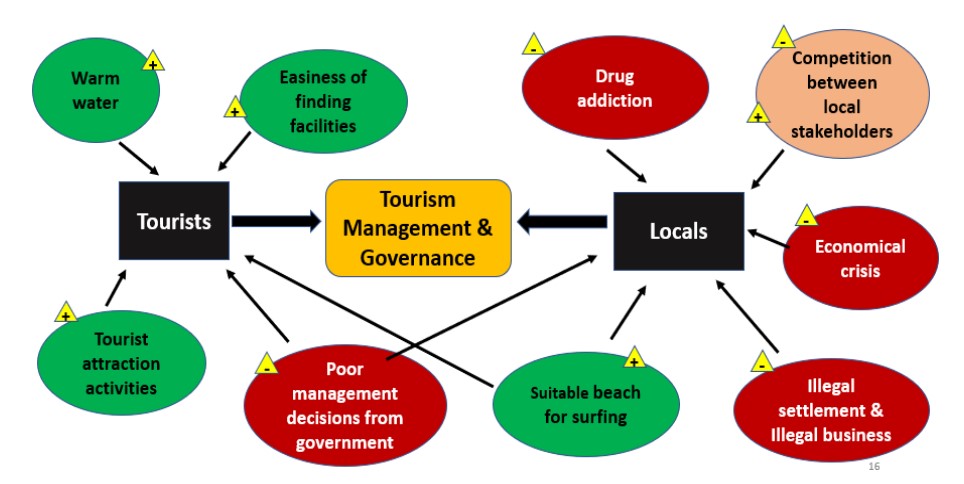
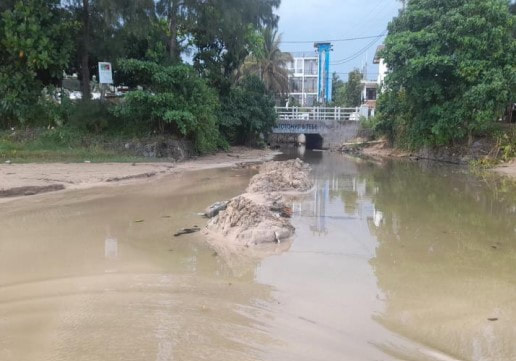
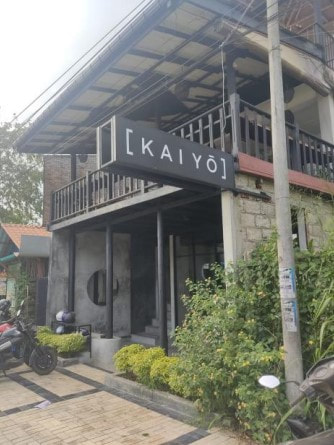
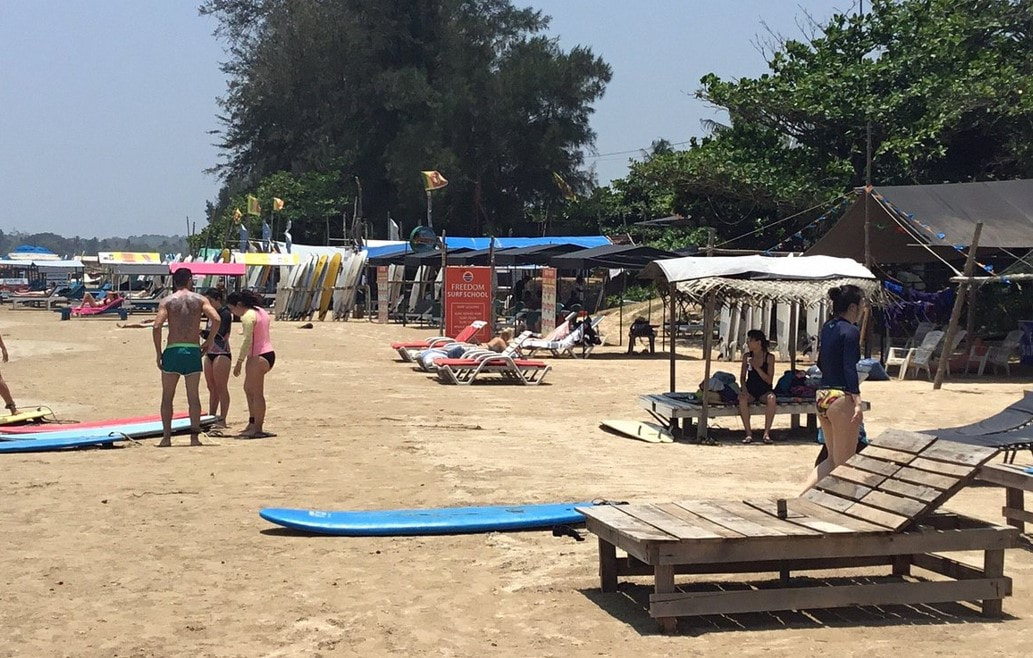
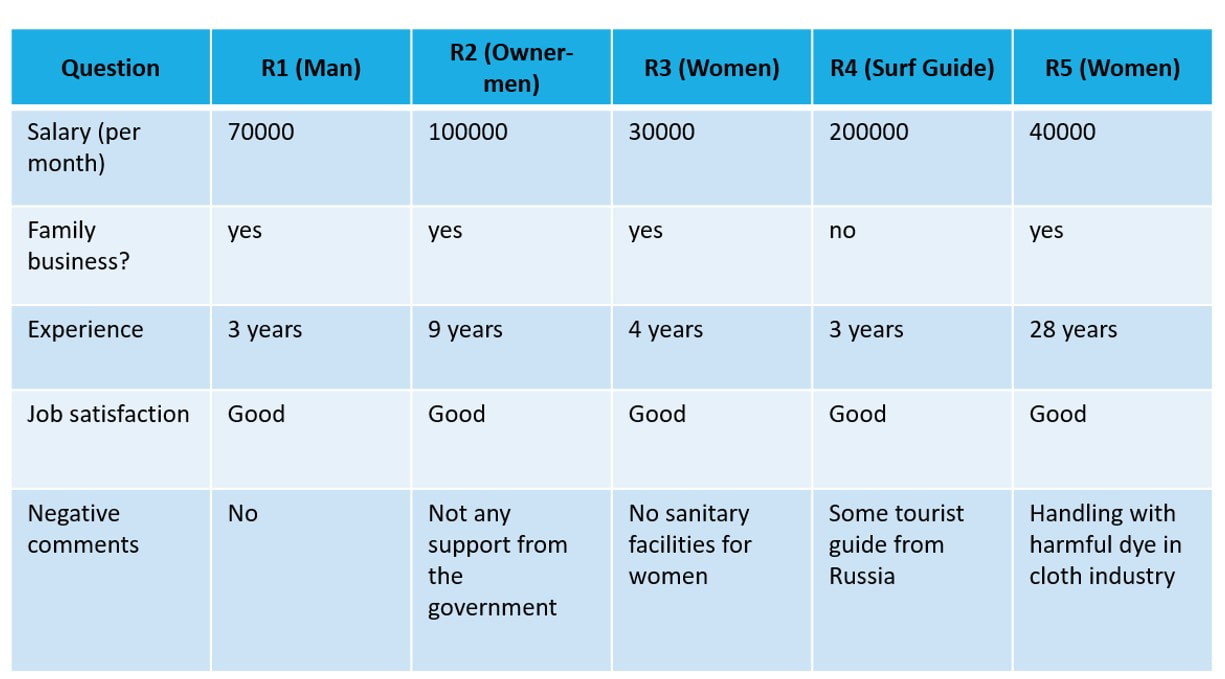
Six case-studies on governance and gendered innovation
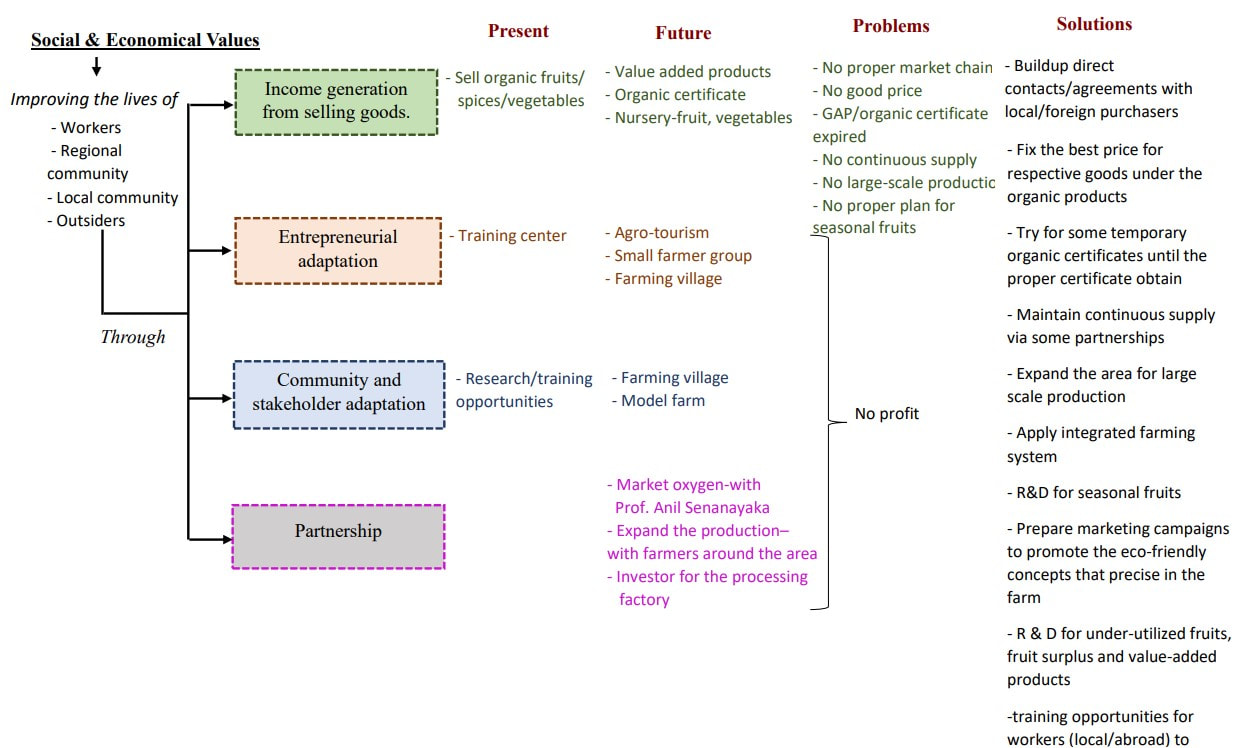
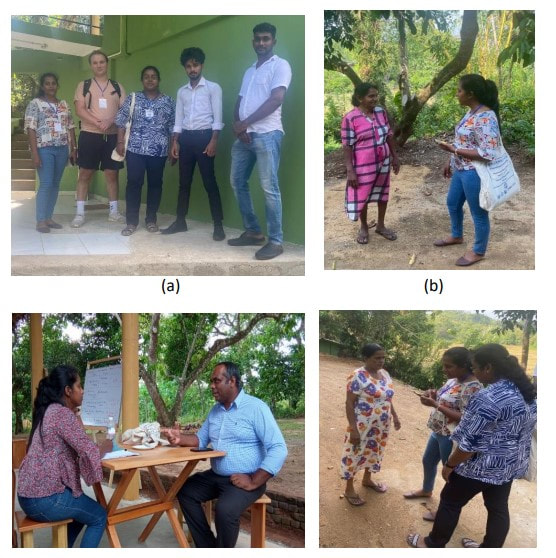
April 2023, Weligama. This years’ case studies reflected the wide nature of the recent workshop. Titles varied from governance to gendered innovation in the fisheries and tourism industries of Kapparatota and Weligama. Special case-studies on the conservation policy of the Weligama coast and the development of an eco-farm were also included. This coast is a multi-user area under strong pressure. Although development is observed, these studies brought attention to the lack of correspondence between coastal and social policies and implementation, degree of control and self-control that need improvement, as well as the existence of strong social barriers that stop women from developing their innovative industrial potential. |
|
|
PhD upgrade on the Marine Ornamental Fishery
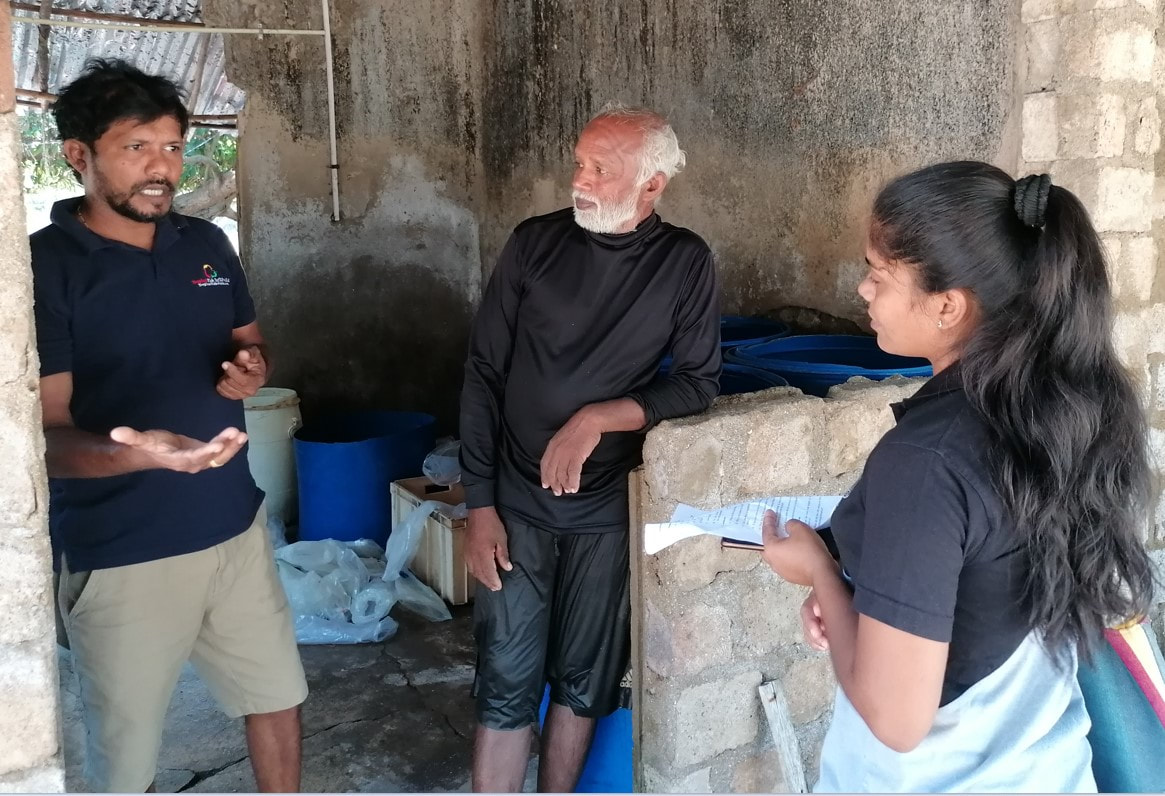
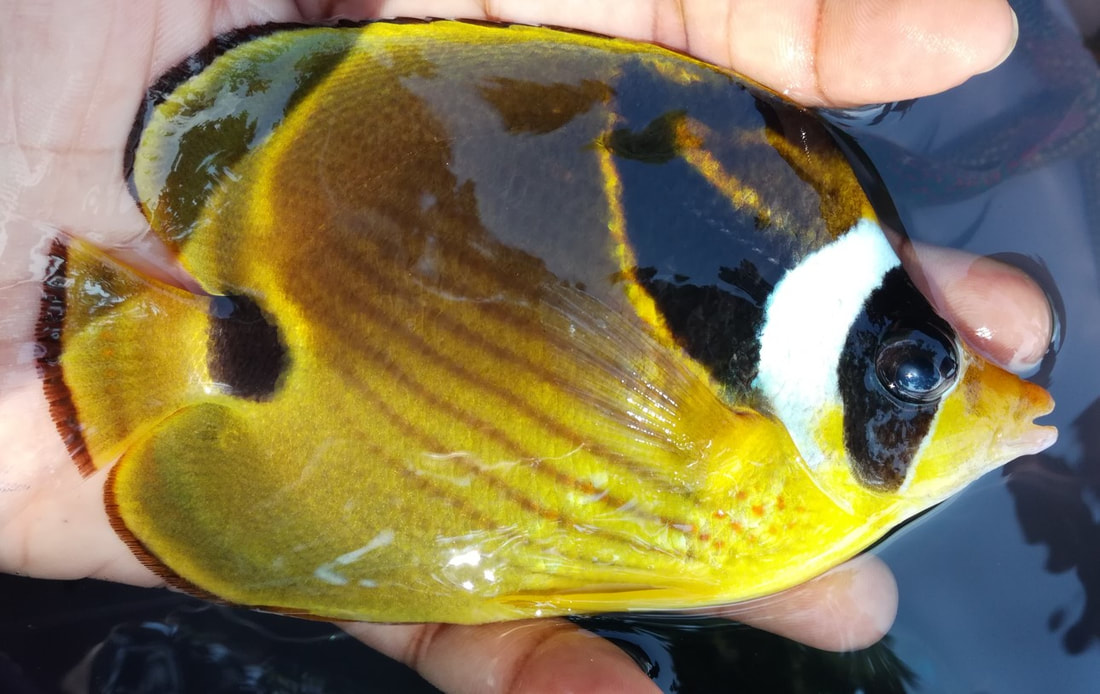
April 2023, Trincomalee. Sri Lanka is one of the top five exporter countries of Marine Ornamental Reef (MOR) fish. Vishmila Priyashadi, a NorLanka Blue fellow, has upgraded her master’s thesis into a PhD dissertation on this fishery. Working in the Trincomalee district, she has raised three important inter-disciplinary questions: 1) the ecology of the MOR fish and characteristics of the reef habitat; 2) the socio-economic development of the MOR fisher communities; and (3) the sustainability of the fishery and the robustness of the stakeholder institutions. The work, which she has already submitted for review, promises important insight for the future management of the fishery. |
|
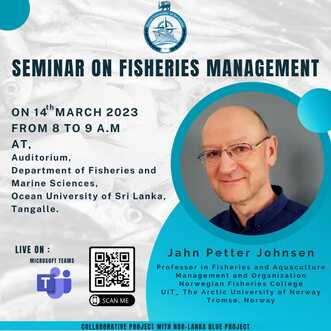
NorLanka Blue special seminar on Fisheries Management
March 14, 2023, Tangalle. On the occasion of his visit to Sri Lanka to participate in the NorLanka Blue workshop, Dr. Jahn-Petter Johnsen from the Norwegian College of Fishery Science at the UiT, is going to present a special seminar on Fisheries Management. He is one of the main specialists on the regulation and governance of the Norwegian fisheries, but has also wide international experience from development, research and education programs. This is also the first time that a project member of NorLanka Blue holds a seminar at the Ocean University in Tangalle, an organization with which NFH has had good academic collaboration. The session is open to the public.
March 14, 2023, Tangalle. On the occasion of his visit to Sri Lanka to participate in the NorLanka Blue workshop, Dr. Jahn-Petter Johnsen from the Norwegian College of Fishery Science at the UiT, is going to present a special seminar on Fisheries Management. He is one of the main specialists on the regulation and governance of the Norwegian fisheries, but has also wide international experience from development, research and education programs. This is also the first time that a project member of NorLanka Blue holds a seminar at the Ocean University in Tangalle, an organization with which NFH has had good academic collaboration. The session is open to the public.
|
The 4th NorLanka Blue workshop in a fruit-ful environment
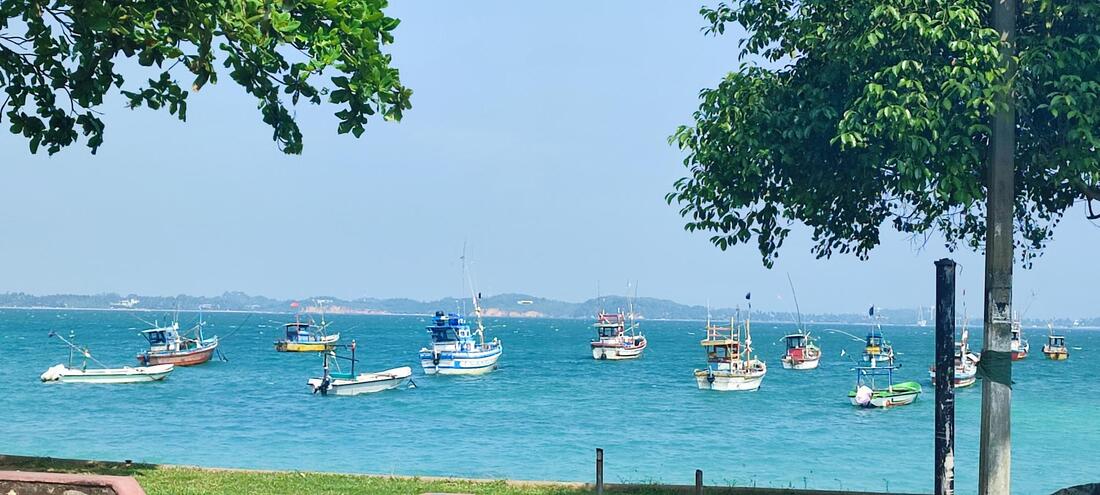
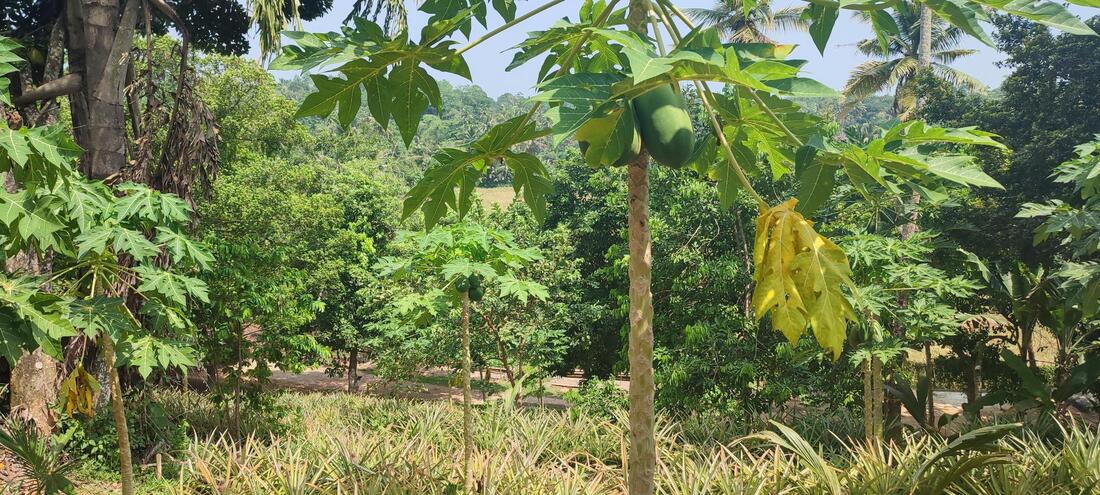
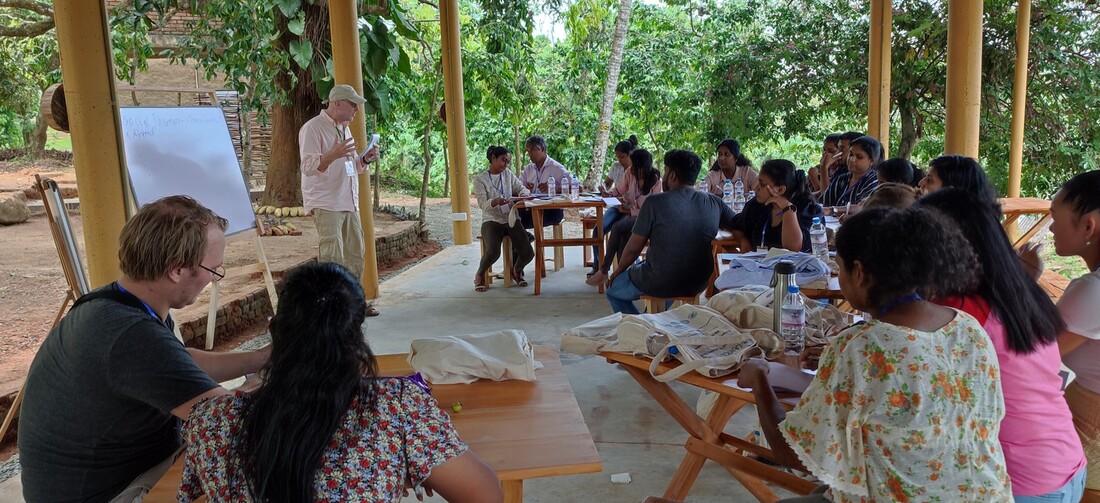
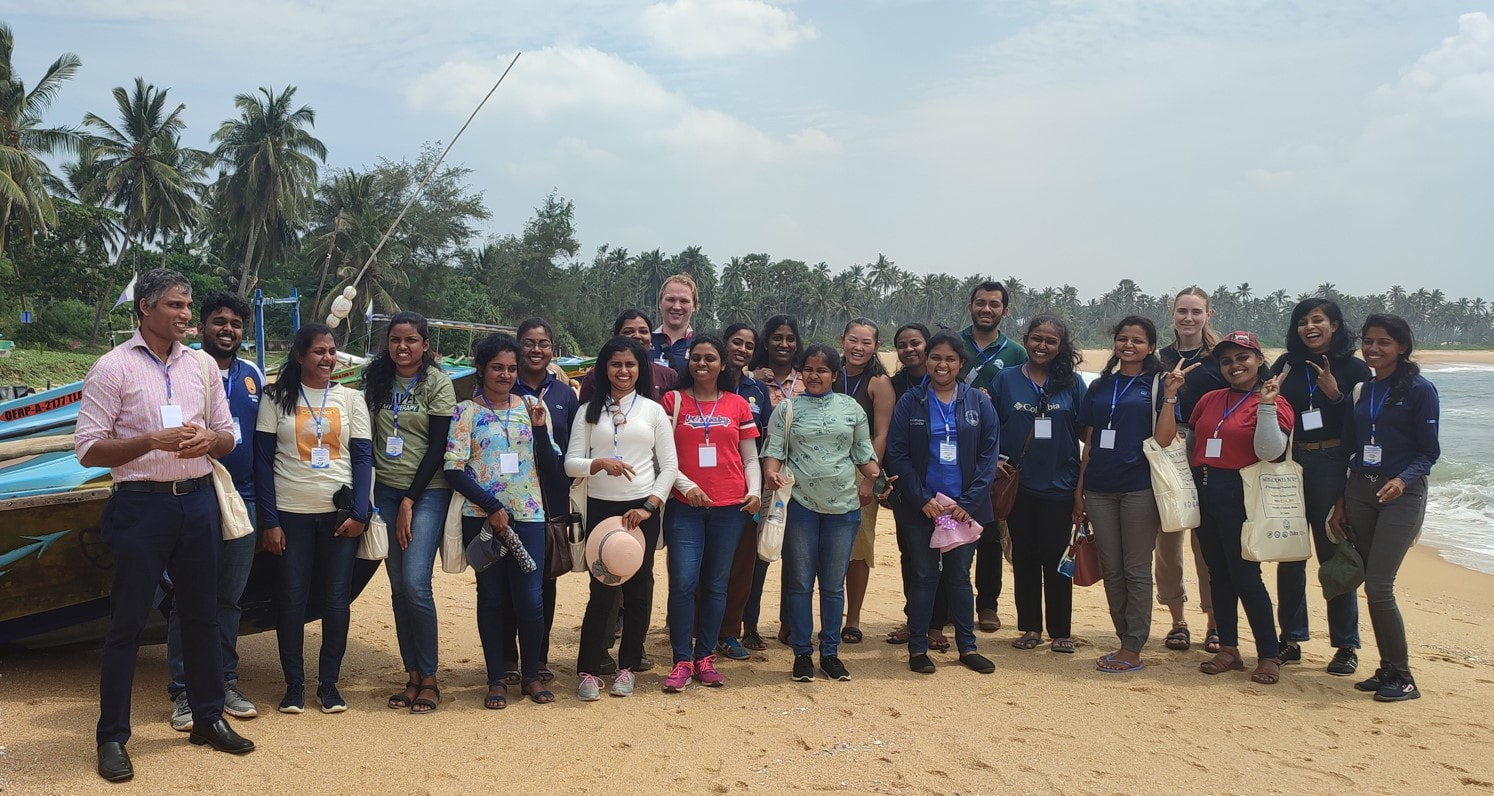
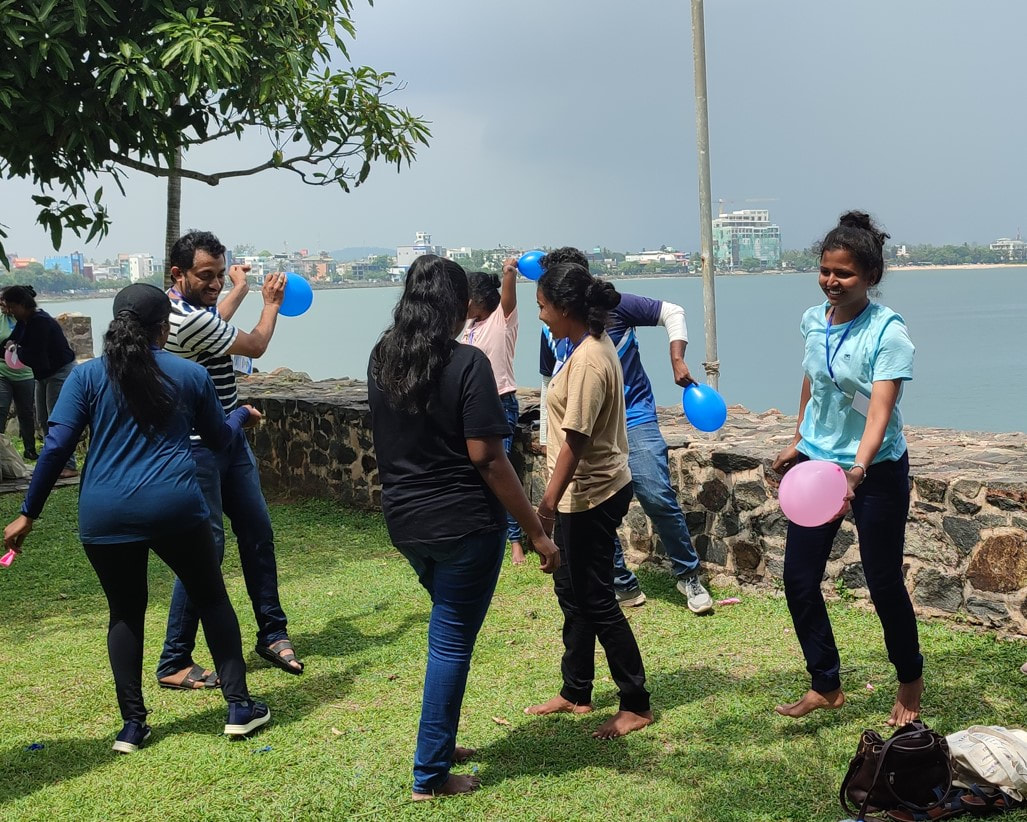
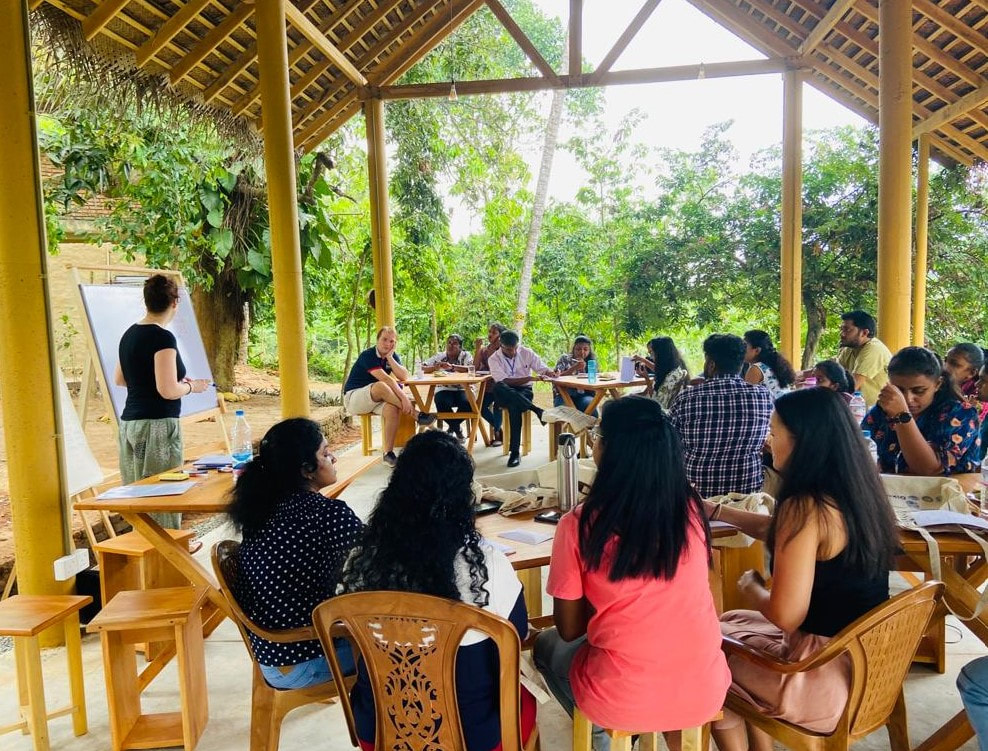
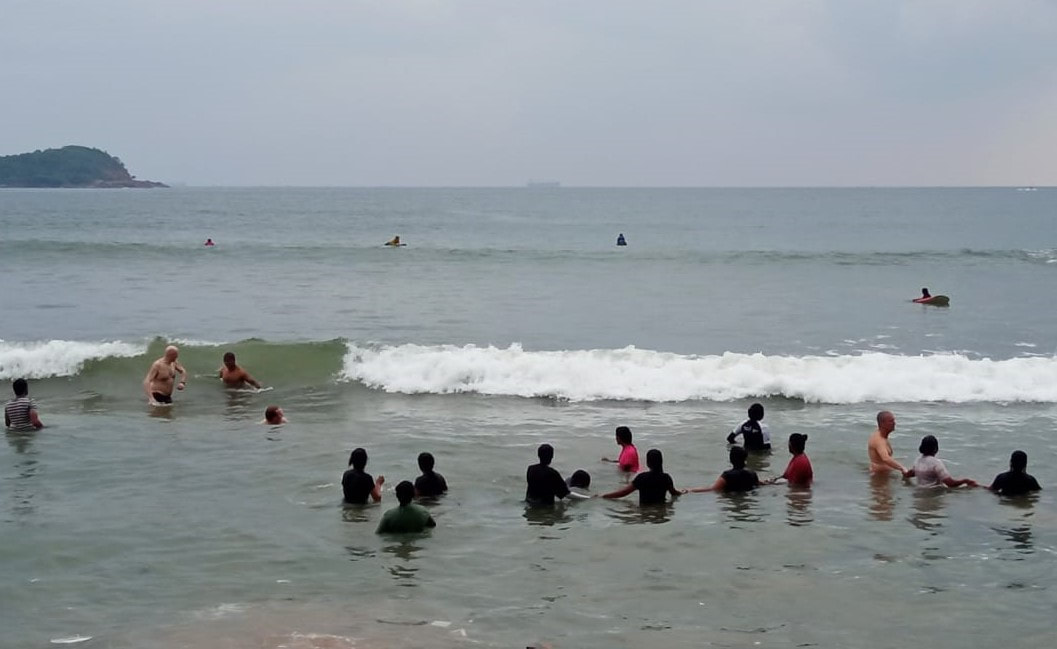
March 7-15, 2023, Midigama. This year's workshop happens in the lush grounds of the Vasmee ecological fruit farm in the Midigama county. Local exotic fruit, either fresh or in curries, will provide vitamins and energy for an intensive residential period. In excess of 23 students, 15 resource academics, three assistants, one physical instructor, drivers and numerous friendly staff and management of the farm, will be in full activity at the venue to make the workshop a success. As much as possible, the sessions will be held outdoors and be active. Visiting academics from Tromsø and Amsterdam will be involved in the workshop and special public seminars outside the venue. Four new academic resources, including two lecturers from Jaffna, were brought in to provide a better coverage of the topics of governance, gender studies and coastal minorities. All this involves a good deal of local organization and logistics. Fortunately, there are less contingencies than last year, and the workshop is taking place in calm and predictable conditions. |
|
NorLanka Blue special seminar on Gender Studies
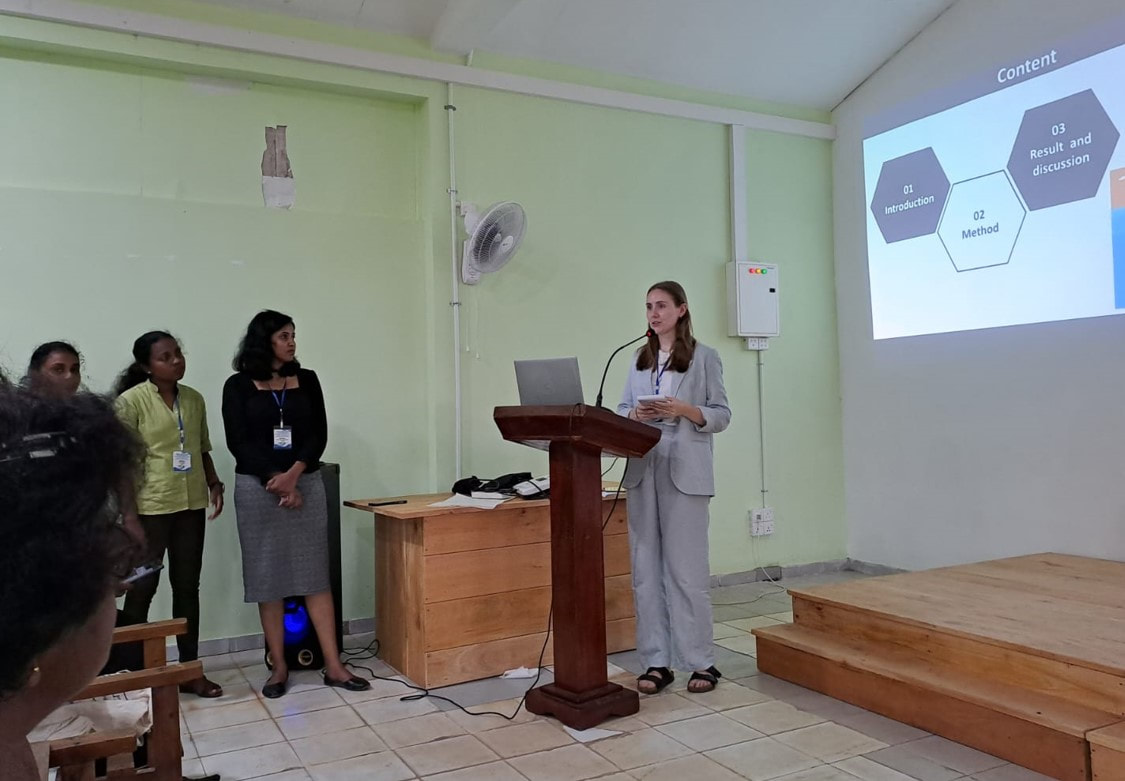
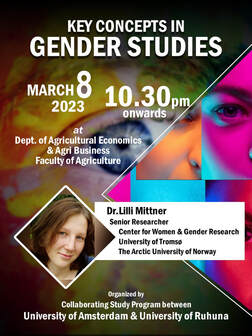
March 8, 2023, Mapalane. On the occasion of the Women's Day, Dr. Lilli Mittner from the Centre for Women's and Gender Research at the UiT will hold a seminar on Gender Studies at the Faculty of Agriculture of University of Ruhuna. Lilli Mittner has interests on arts-based research, feminist theories, gender studies, interdisciplinary humanities, and transdisciplinary research. She is in Sri Lanka to participate in the workshop of NorLanka Blue. The session is public but is going to be specially attended by Sri Lankan and Dutch students from an international cooperative program.
March 8, 2023, Mapalane. On the occasion of the Women's Day, Dr. Lilli Mittner from the Centre for Women's and Gender Research at the UiT will hold a seminar on Gender Studies at the Faculty of Agriculture of University of Ruhuna. Lilli Mittner has interests on arts-based research, feminist theories, gender studies, interdisciplinary humanities, and transdisciplinary research. She is in Sri Lanka to participate in the workshop of NorLanka Blue. The session is public but is going to be specially attended by Sri Lankan and Dutch students from an international cooperative program.
|
Research stories – Energy transition in fisheries
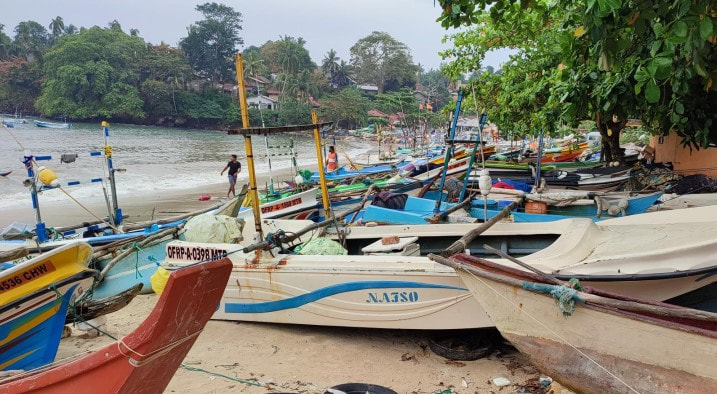
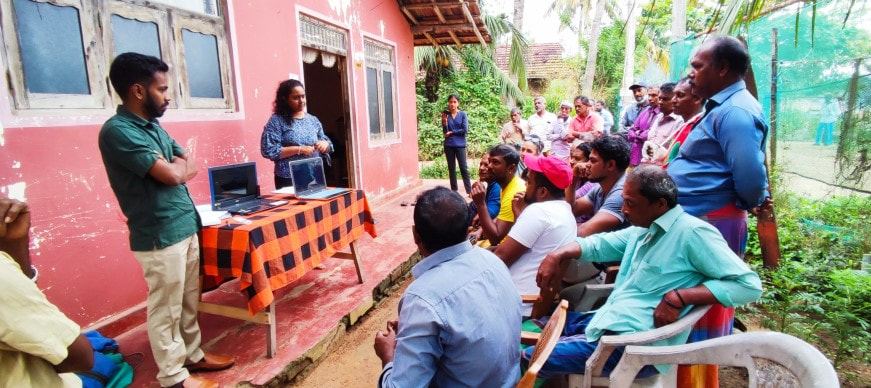
March 2023, Gandara. After a period of grant proposal writing, Pamudi Layanga has started her fieldwork. She investigates the utilization of cleaner energies along the seafood value chain in Sri Lanka. She approached small-scale fishermen operating single-day boats regarding the need, acceptance, and practicality of new energy forms. Her colleague, Methdasuna, a technologist also from the University of Ruhuna, is interested in the acceptance of a prototype electrical engine and steering system fueled by solar panels. Close contact with the users during the creation process is critical for their R&D. Pamudi was a grantee of NorLanka Blue project. |
|
|
Travelogue: sharks, rays and people in Sri Lanka
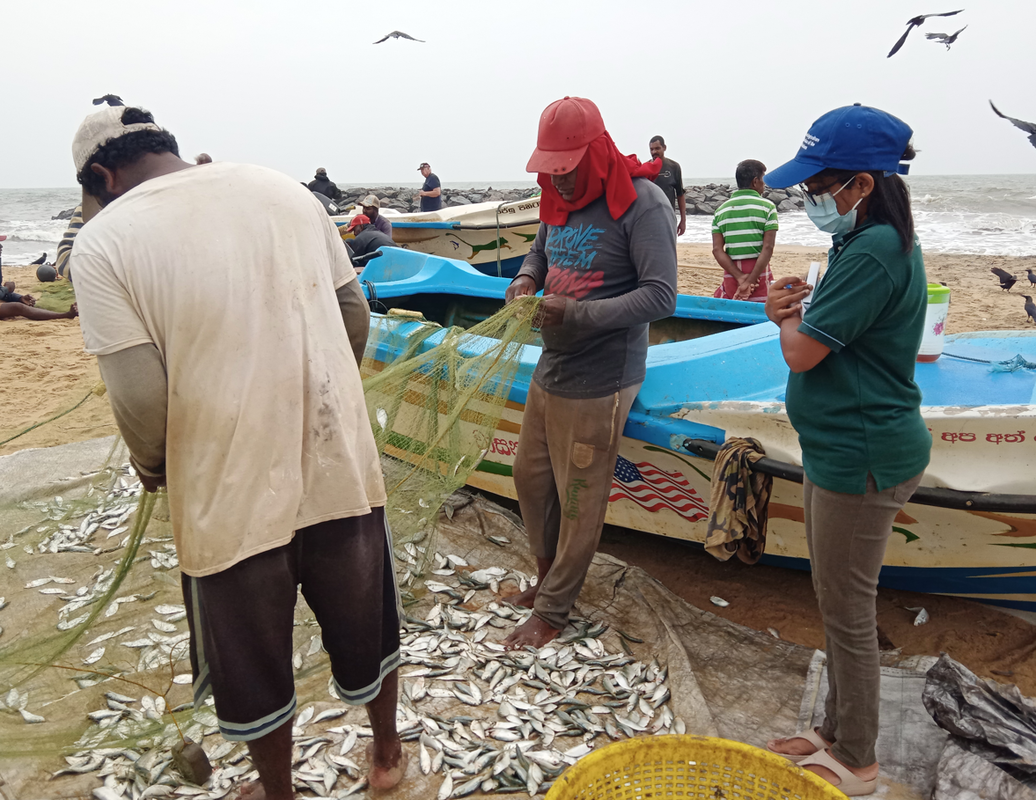
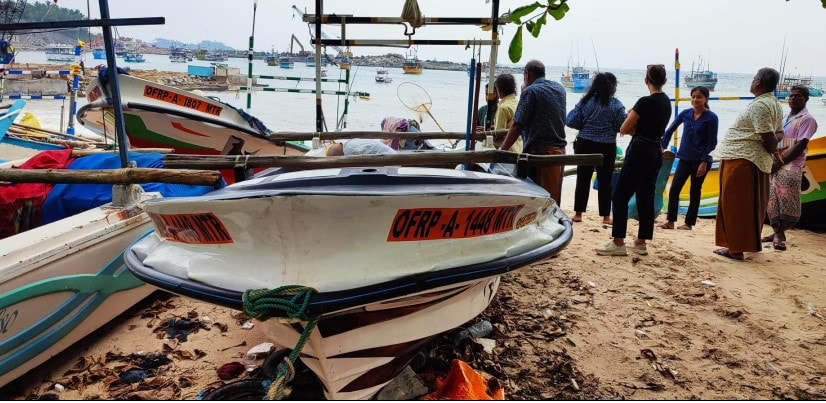
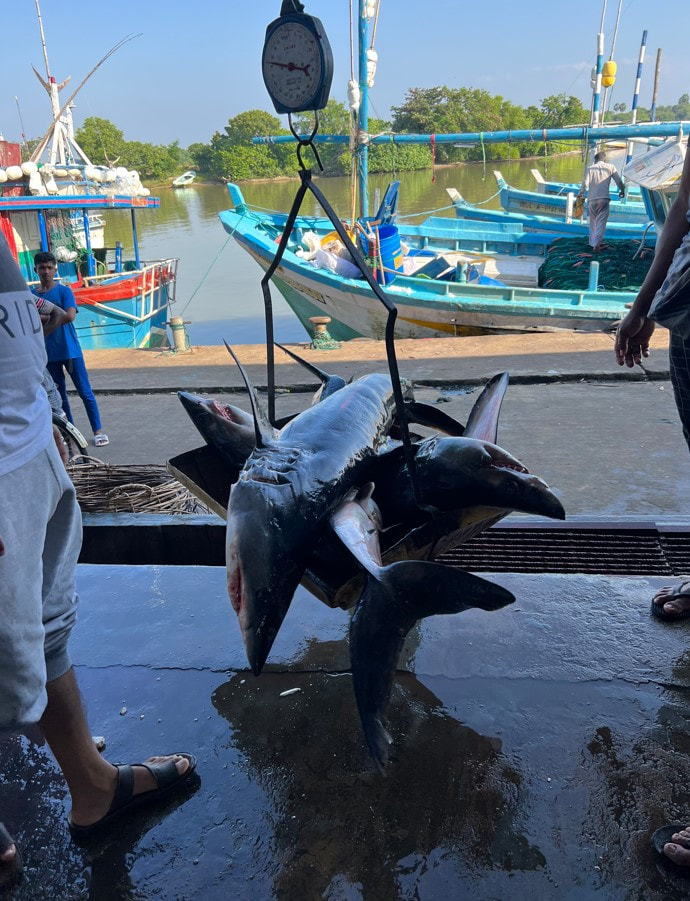
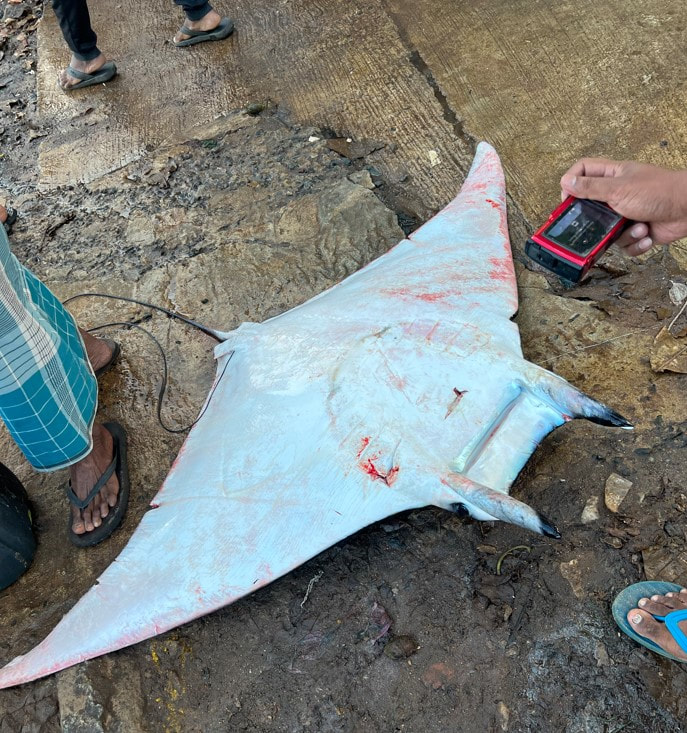
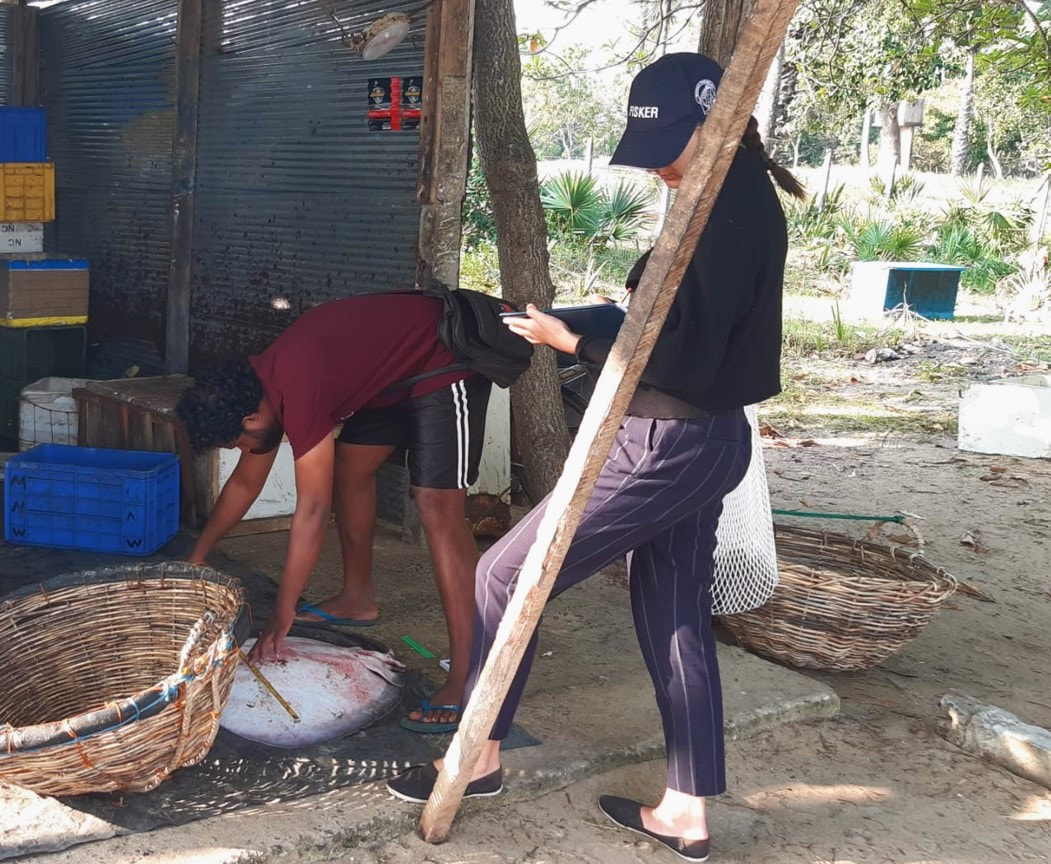
February 2023, Kalkudah. A letter from Johanne Knutsen, a student from the Bachelor program on Fisheries & Aquaculture at UiT, who is doing her research with the Blue Resources Trust. “BRT does research on coral reefs, fisheries, sustainable livelihoods, marine protected areas, and the development of domestic and international marine policy. In these last weeks, I have participated in their survey work on fisheries and sustainable livelihoods on sharks and rays in local landing sites. It’s interesting to see how the fishermen work, and how different the catch is here compared to what I am used to in Norway. I have learned so much during my stay here and this has sparked my interest in international fisheries.” Johanne is partly sponsored by CRAFT-lab at UiT. |
|
|
Hands-on experience at Jay Sea Foods Processing
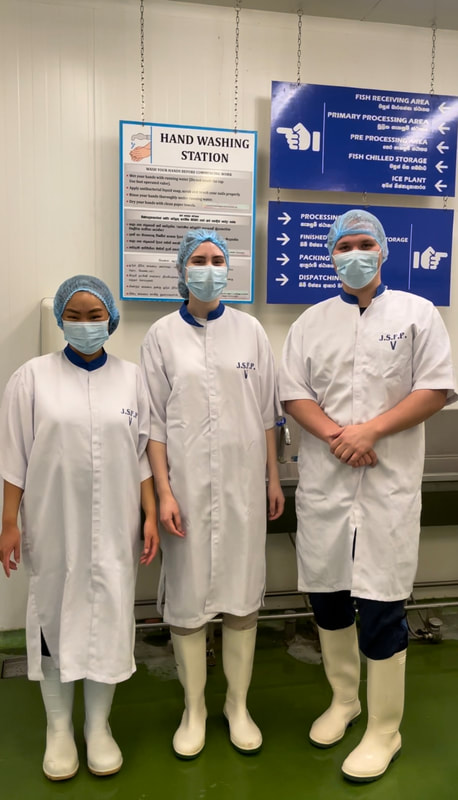
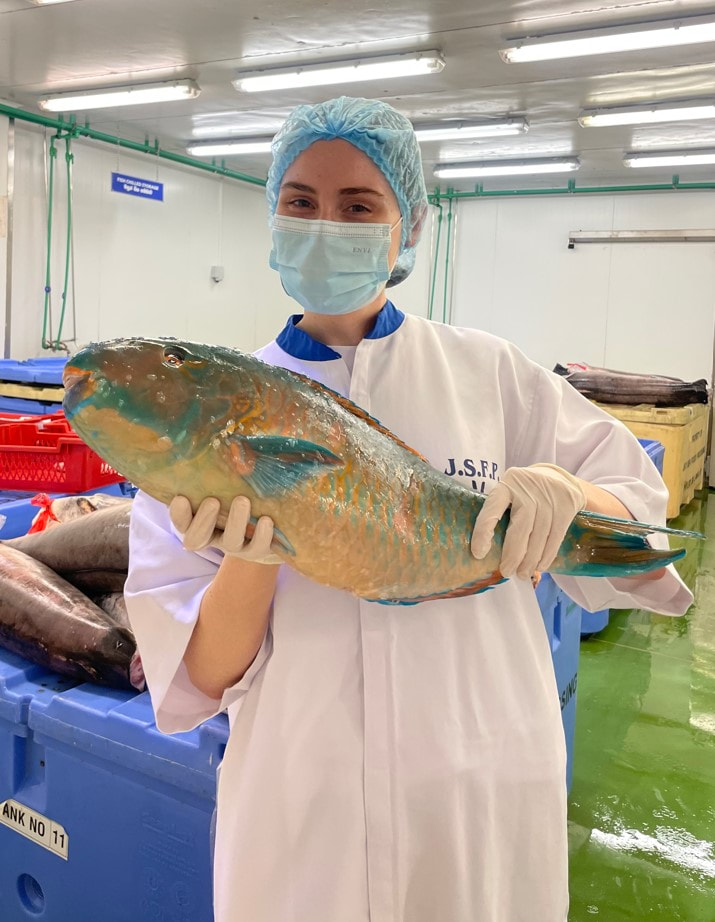
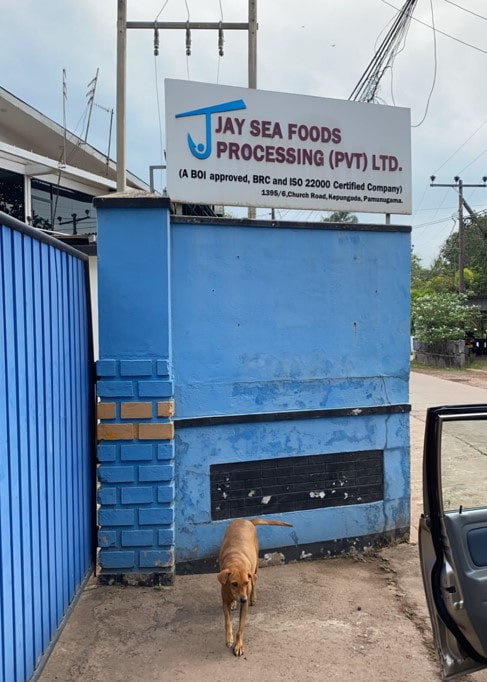
February 2023, Negombo. After a few days of climate adaptation to Sri Lanka, Anne Mali, Helene and Jonas, three students from the Fisheries and Aquaculture stream at UiT- Norway, went for a one-week internship at Jay Sea Foods Processing. There they got an insight into the routines of fish processing and quality evaluation, as well as of the demands of the export market for tuna. After this practical experience, the students will work on a research report, on topics relevant to the internship. A big thanks to Jay Sea foods Processing for this internship opportunity; and a special thanks to director Asoka Perera for guidance throughout the week. |
|
Travelogue: the importance of a fish market
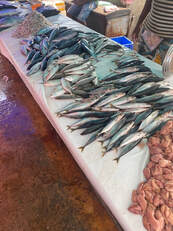
January 2023, Negombo. The first impressions of the Negombo fish market, by Jonas, a Norwegian exchange student: "We got a good tour of the market and saw how fish is processed from catch to sale at the many stalls. It was exciting to see many different species of fish being treated in many ways, and how the whole fish can be used for different purposes. The fish market is an important place for the local community. It is impressive how fresh fish they can get. I would recommend visiting a fish market to experience the importance of the sea to coastal communities and to feel its special atmosphere, even if takes you very early out of bed."
January 2023, Negombo. The first impressions of the Negombo fish market, by Jonas, a Norwegian exchange student: "We got a good tour of the market and saw how fish is processed from catch to sale at the many stalls. It was exciting to see many different species of fish being treated in many ways, and how the whole fish can be used for different purposes. The fish market is an important place for the local community. It is impressive how fresh fish they can get. I would recommend visiting a fish market to experience the importance of the sea to coastal communities and to feel its special atmosphere, even if takes you very early out of bed."
|
Workshop and mobility 2023: Call for Applications
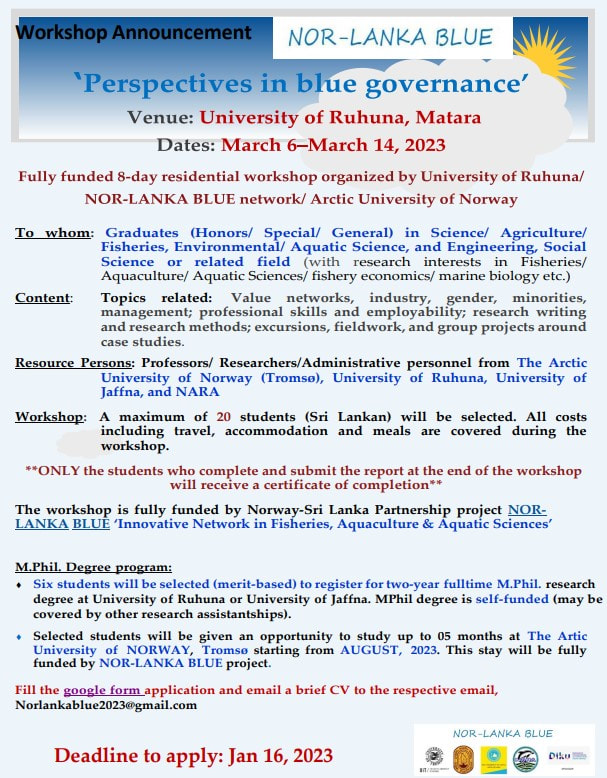
January 2023. We are announcing a new round of opportunities for Sri Lankan students. In 2023, the theme of the workshop is "Blue Governance", a mix of interesting topics on sciences, research methods and career development. It takes place in March in the Southern Province and will be, as usual, the place for committed people who enjoy research work, team activities and fun. The atmosphere is international, joining students and researchers from Sri Lanka and Norway. Students can also apply for five mobility grants to Norway. See document appended. |
| ||
|
Mapping microplastics along the coast
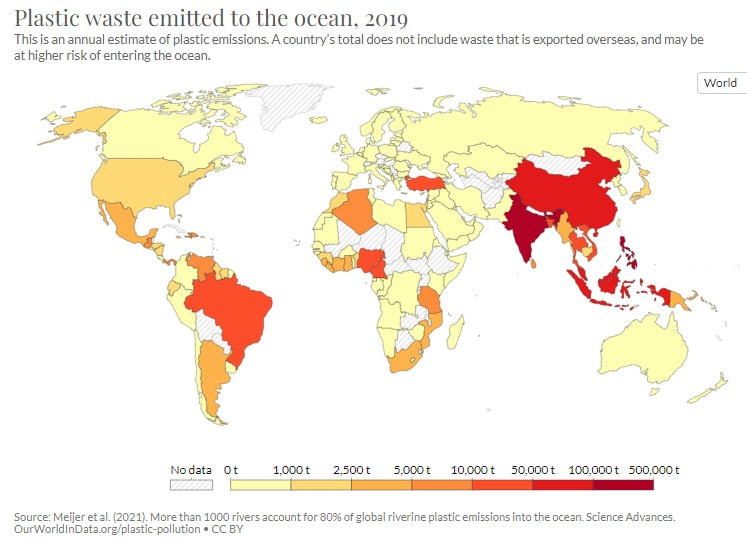
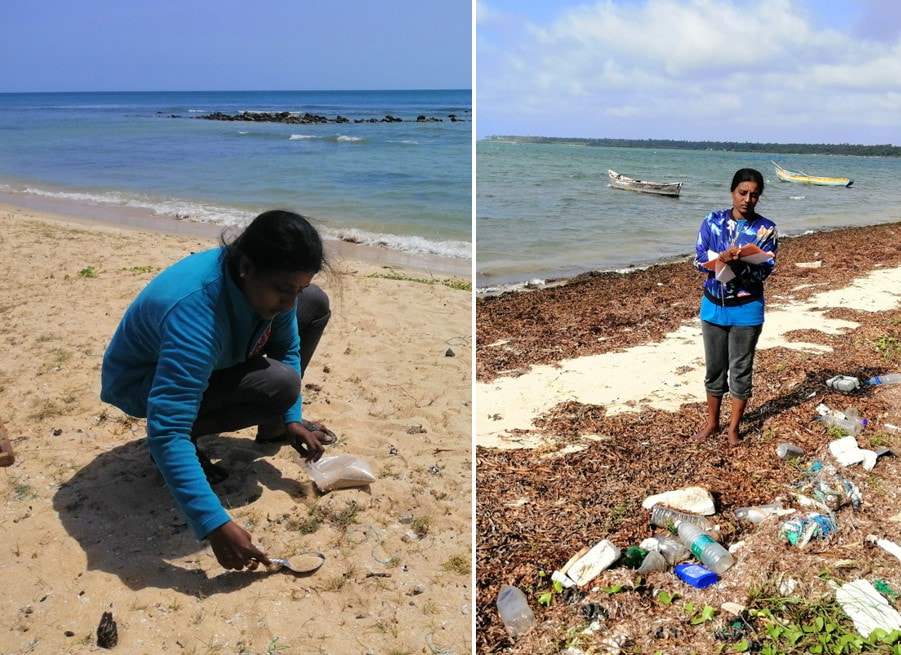
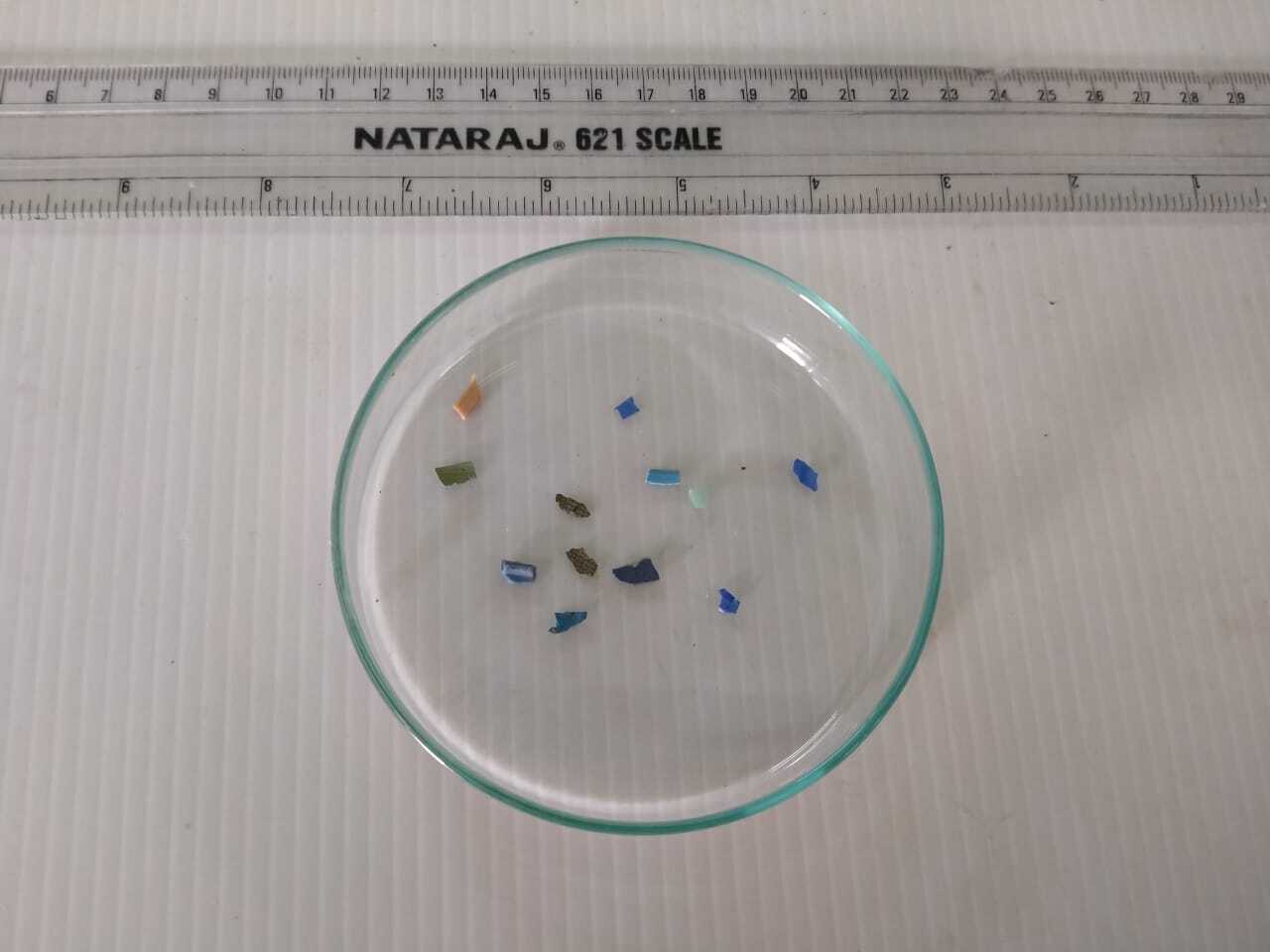
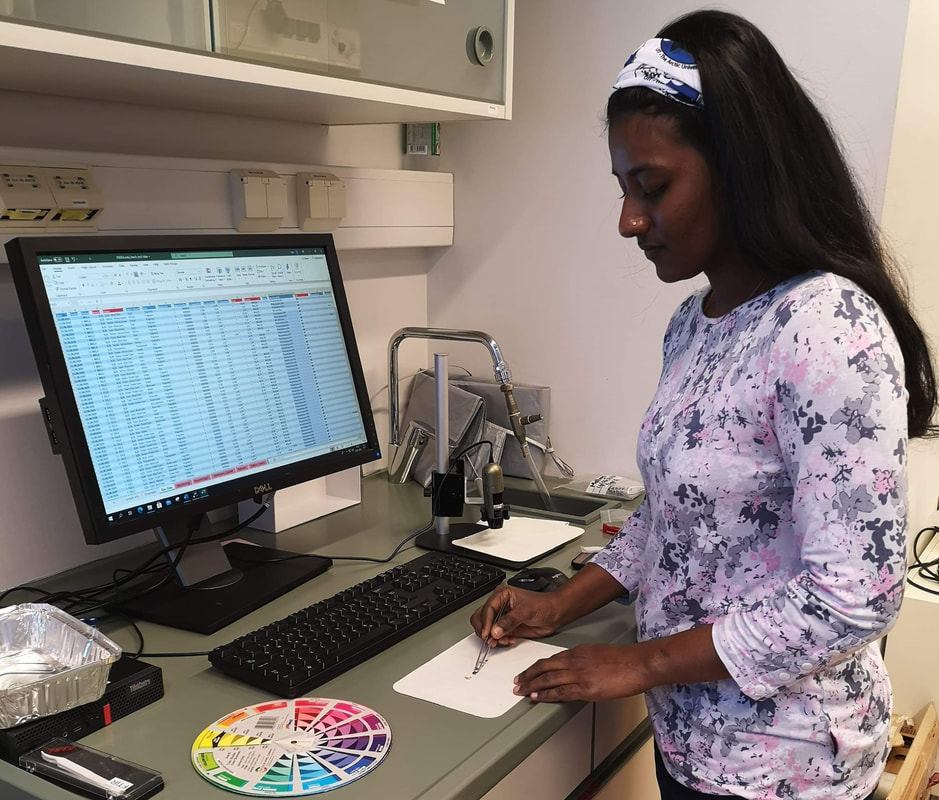
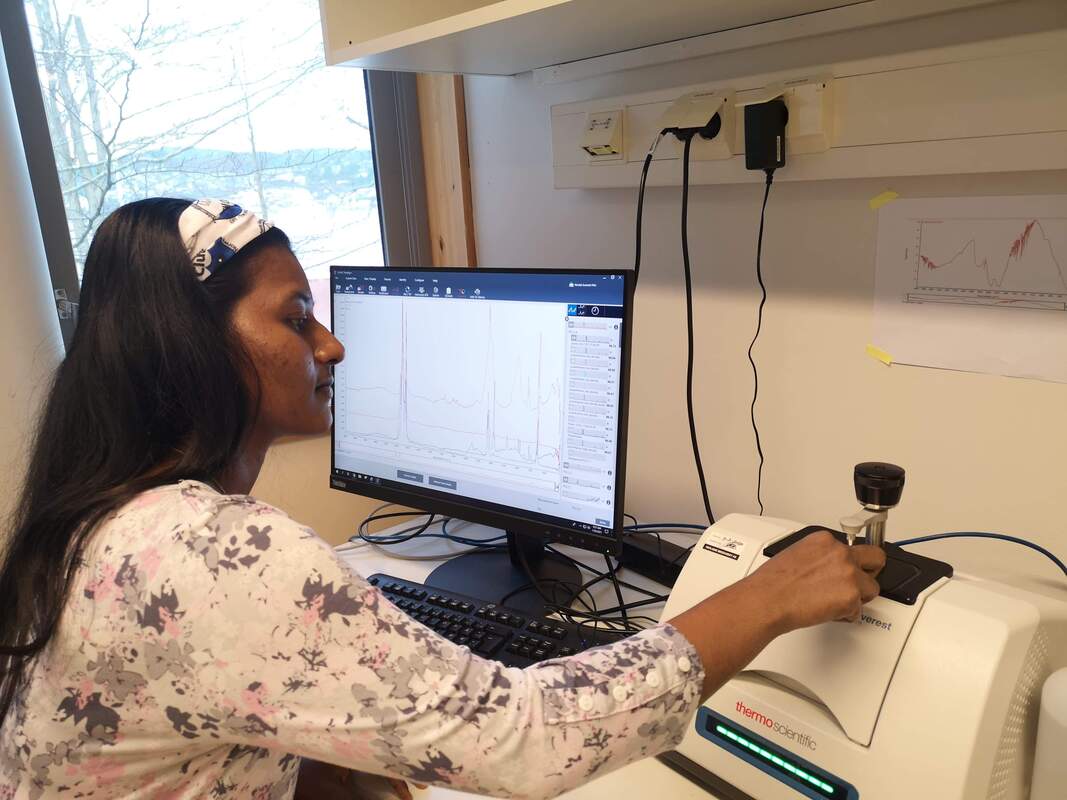
January 2023, Jaffna. Emission of plastics to the sea is a major issue in Asian countries. As a part of her recent M. Phil. thesis at the University of Jaffna, Shobiya Gobiraj, sampled water and sediment at the northern tip of Sri Lanka. She used Fourier transform infrared spectroscopy (FTIR) at the Institute of Marine Research (IMR), Bergen to identify the polymer type of microplastics. She found that fragments and polyethylene-type microplastics were dominant, but in smaller amounts than previously known from western and southern Sri Lanka. This points towards urban concentration, river run-off and ocean circulation as major drivers of pollution. Shobiya is a NorLanka Blue fellow and was supervised by Prof. Mrs. Sivashanthini Kuganathan (Jaffna) and Dr. Bjørn Einar Grosvik (IMR). |
|
|
Sri Lankan staff under the northern lights
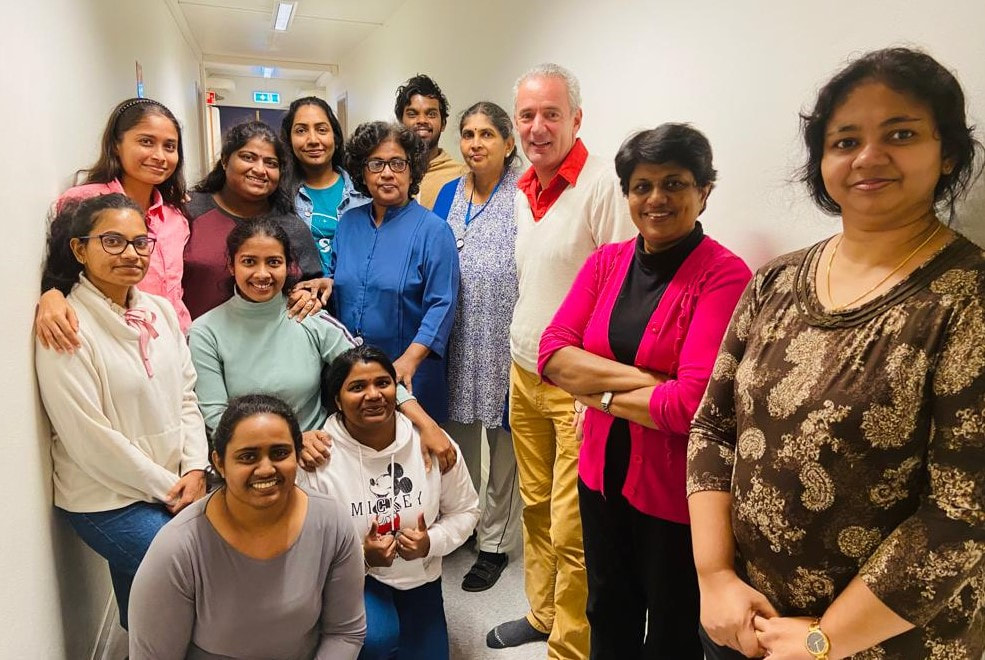
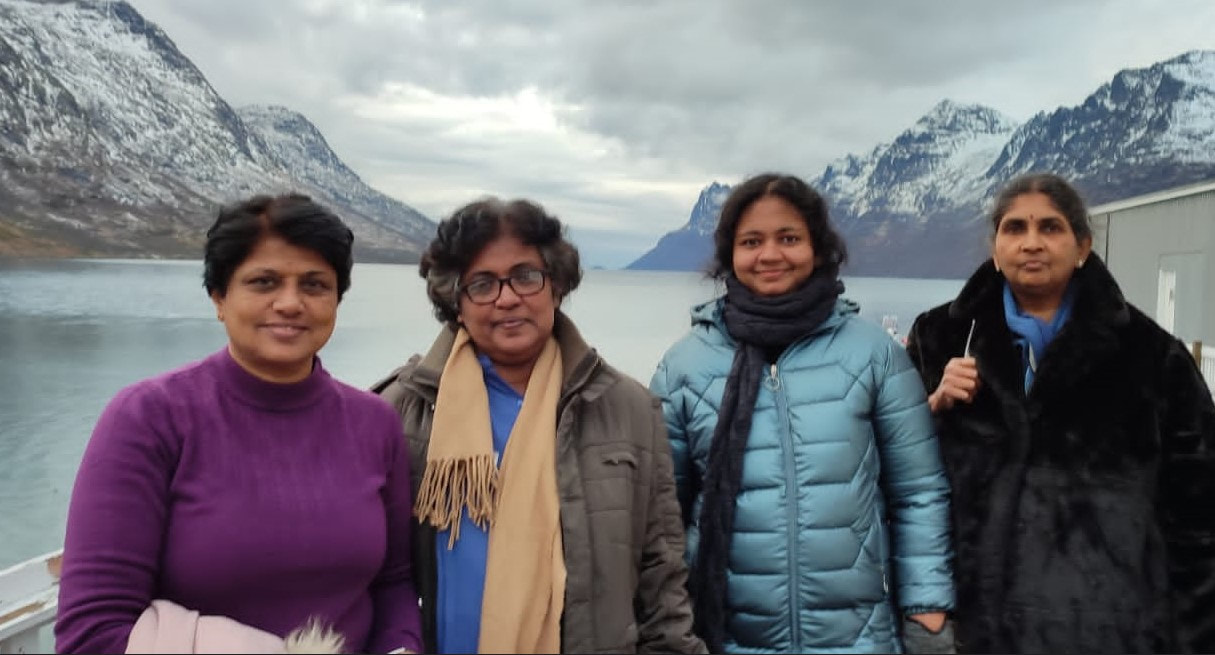
December 2022, Tromsø. After a long unintended break, academic and administration staff from the Universities of Jaffna and Ruhuna resumed their mobilities to UiT, last November. They were Prof. Suneetha Gunawickrama, Prof. Nilantha De Silva and the Assistant Registrar Ms. Imasha Dilhani (Ruhuna), accompanied by Prof. Sivashanthini Kuganathan (Jaffna). Following meetings with the Pro-Rector Kathrine Tveiterås and the Head of the Norwegian College of Fishery Science, Prof. Petter Holm, the group participated in different activities. These included shadowing sessions at the section of International Studies, led by Dr. Hege Widnes, project organization meetings, visits to different research staff in Tromsø, as well as a full-day excursion to the Cod-breeding plant (NOFIMA) and the Aquaculture Research Station, including the new facility housing the Recirculating Aquaculture System (RAS). High on the agenda were also information meetings with Norwegian exchange students as well as supervision sessions and socialization with the visiting batch of Sri Lankan students. |
|
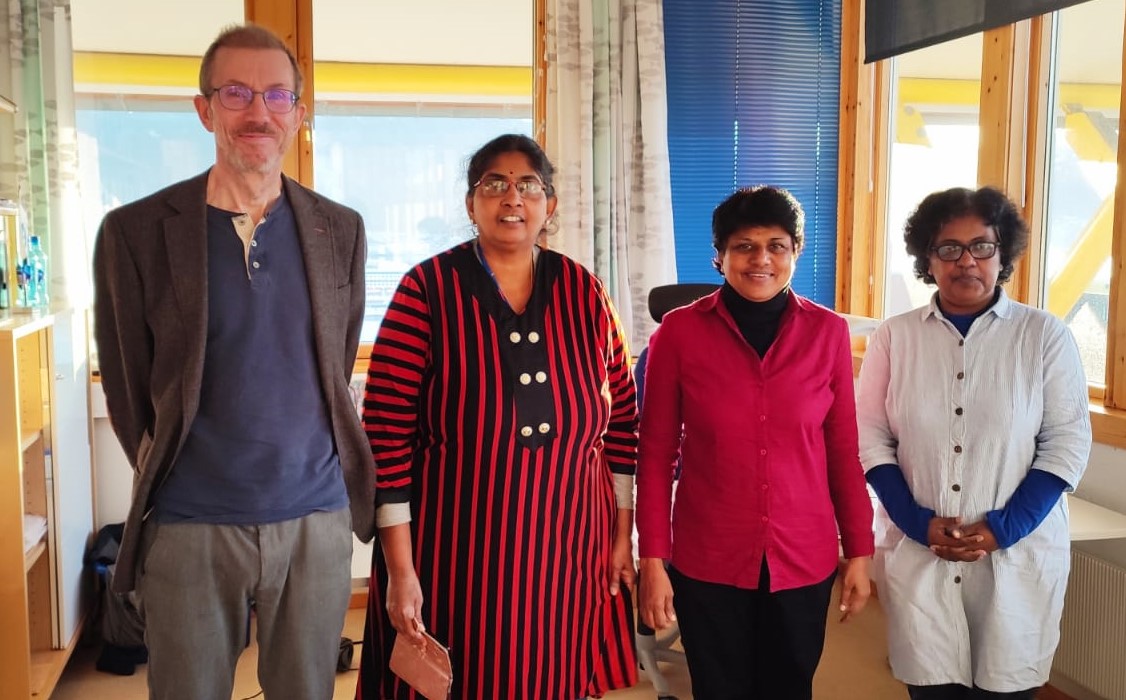
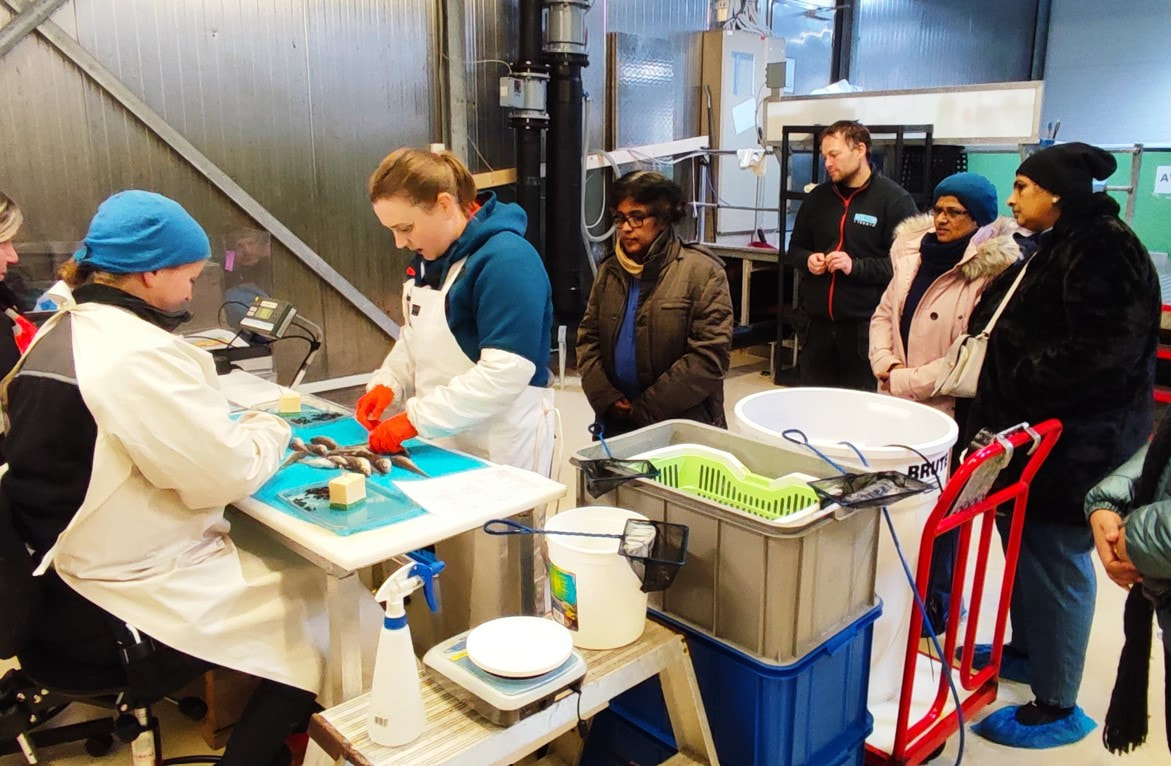
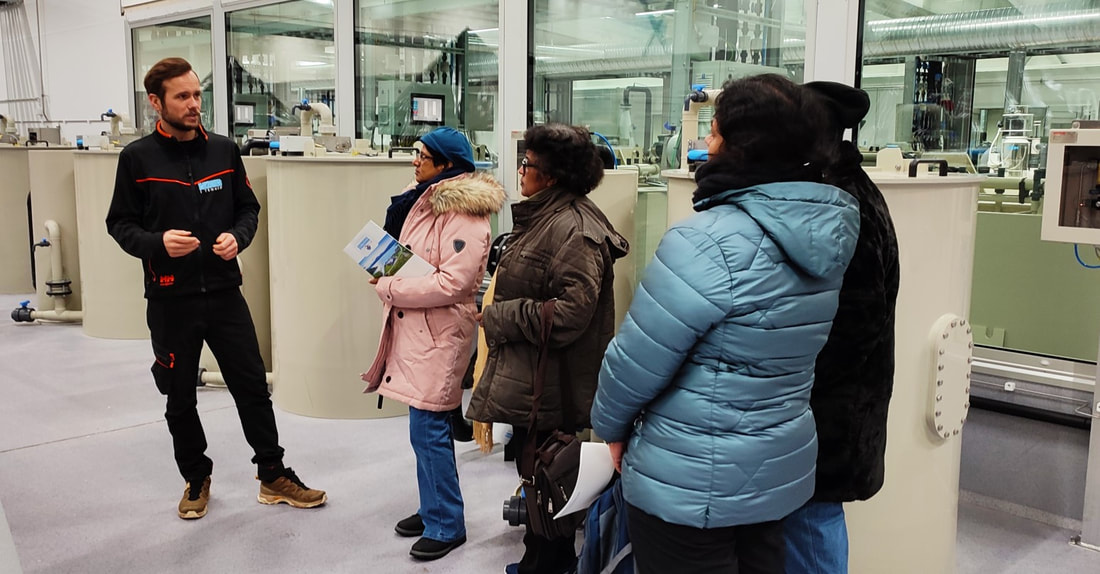
|
Colorful tropical fish lead researcher to Norway
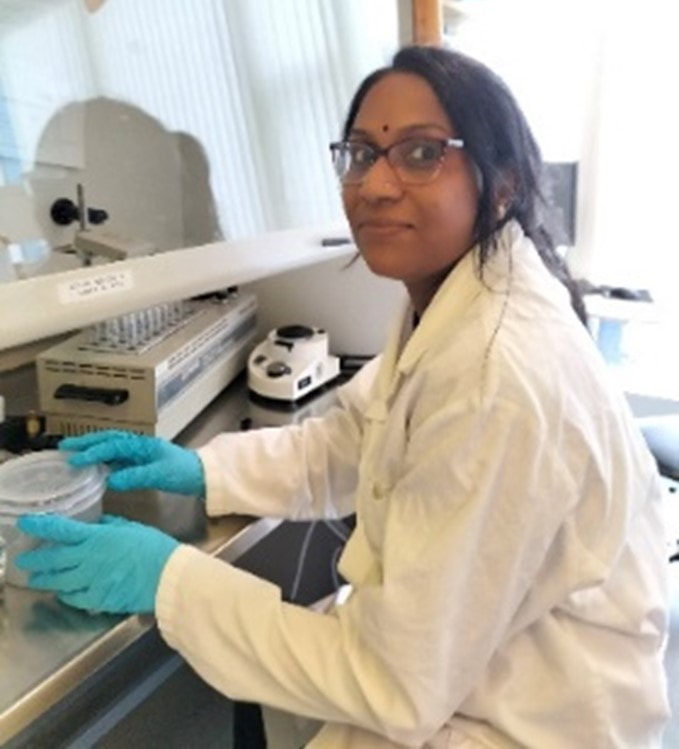
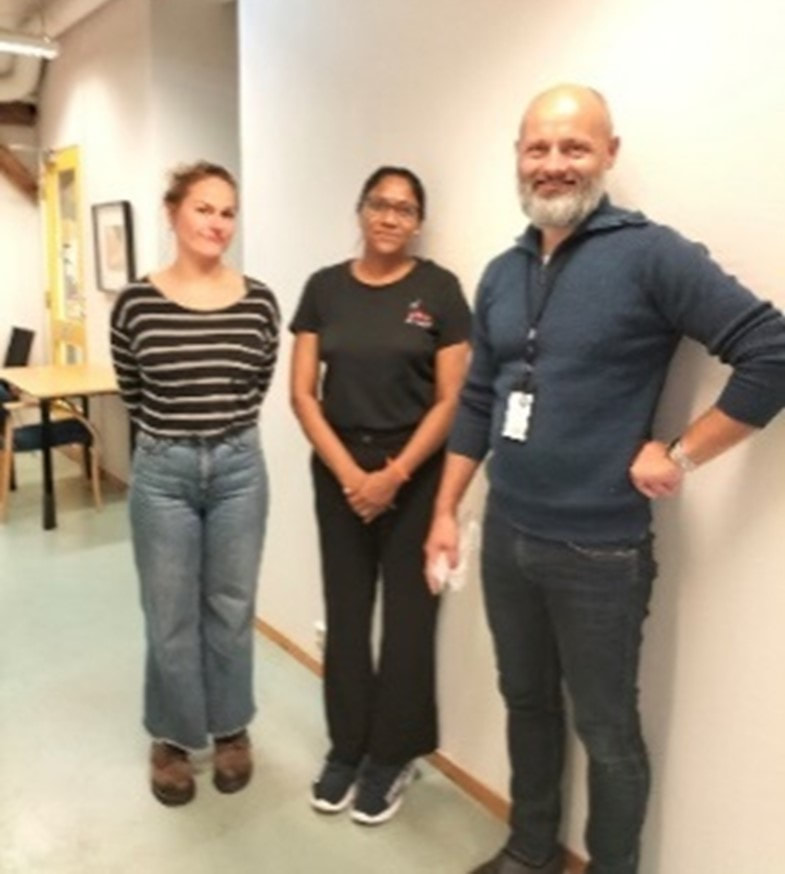
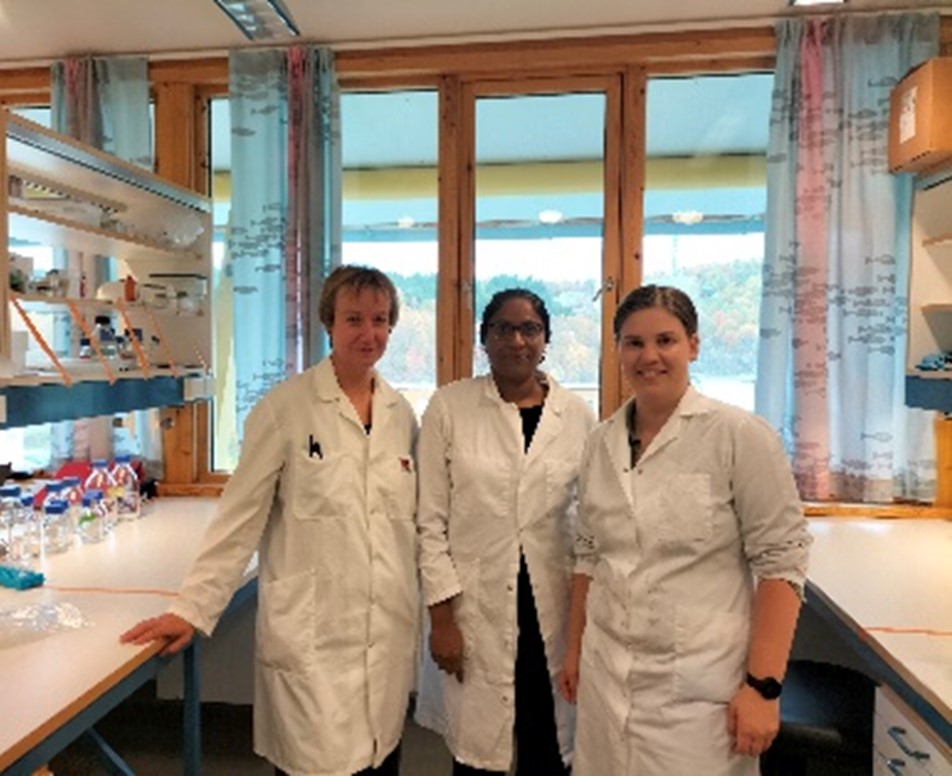
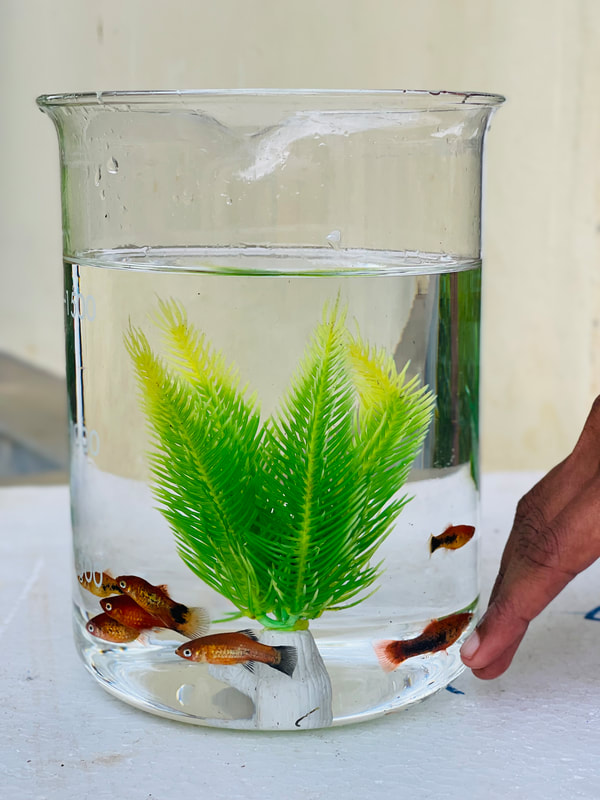
December 2022, Bergen, Tromsø. To produce colorful ornamental fish, one needs special ingredients in the feed. Sutharshiny Sathyaruban (University of Jaffna) utilized extracts of the domestic palmyrah fruit to enrich and produce a cost-effective feed for the aquaculturists in the Northern Province, Sri Lanka. In Bergen, she measured the carotenoid profile of fish feed and skin using the HPLC method, under the supervision of Dr. Robin Ørnsrud (Institute of Marine Research). In Tromsø, she analysed the keeping quality of the feed using the standard techniques at the seafood lab, under the supervision of Dr. Mari Walquist (Norwegian College of Fishery Science). Sutharshiny is a Nor-Lanka Blue PhD student under the supervision of Prof Deepthi Inoka Uluwaduge (Sri Jayewardenepura) Prof. Sivashanthini Kuganathan (Jaffna). |
|
|
Developing feed for Asian seabass, aka Barramundi.
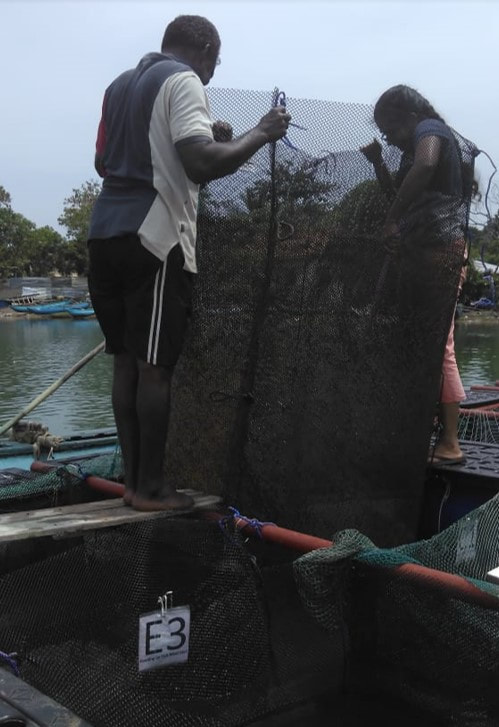
November 2022, Matara. In a recent thesis, Kushani Premawansha discloses the secret of the ‘Formulation of nutritionally balanced, cost-effective feed for enhancement of survival, growth, and fillet quality of Asian seabass (Lates calcarifer)’. The study involved the Norwegian College of Fishery Sciences (NFH-UiT) and the University of Ruhuna (UoR). The growth trial with the seabass was carried out in cages at the Batticaloa lagoon, eastern Sri Lanka. The test formulation, which utilized fish offal, was nutritionally balanced, cost-effective and promoted good health, growth, survival and fillet quality. Kushani, a NorLanka Blue fellow, was supervised by Prof. (Mrs.) M.P.K.S.K. de Silva, and she had Prof. (Mrs). K. B. S. Gunawickrama at UoR and Prof. Bjørn-Steinar Sæther at NFH as co-supervisors. |
|
|
Consumers Willing to Pay Premium Price for Quality Certified Dried Fish
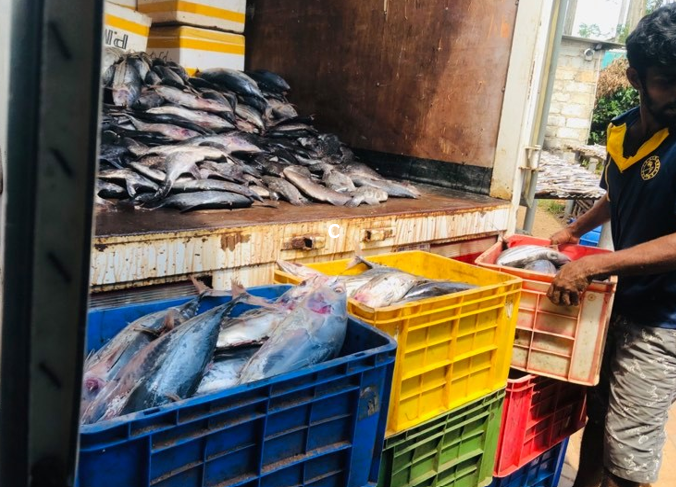
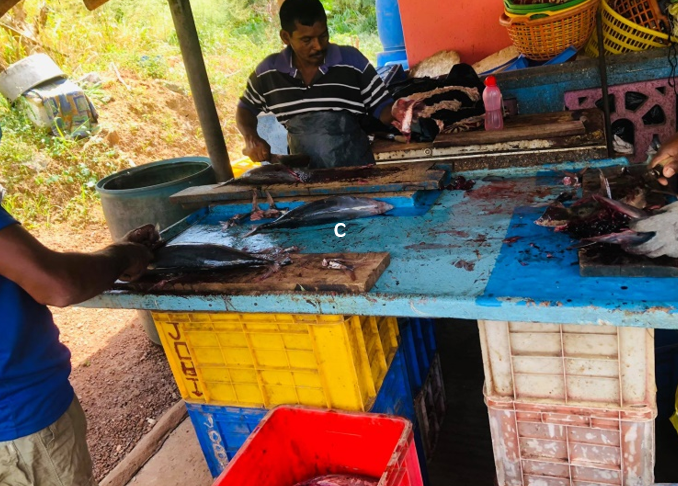
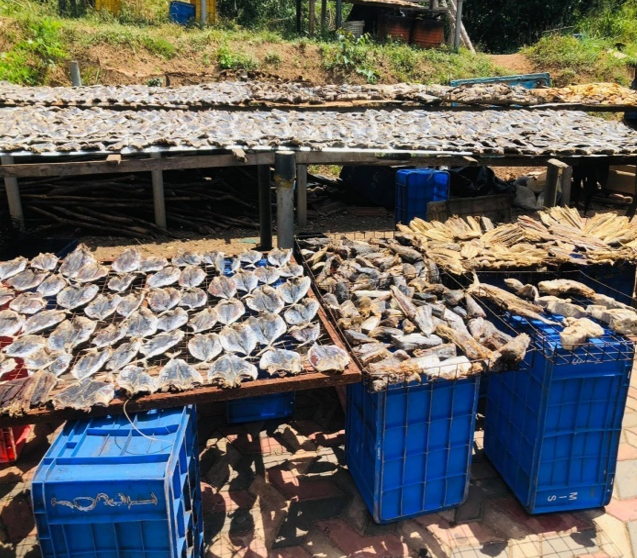
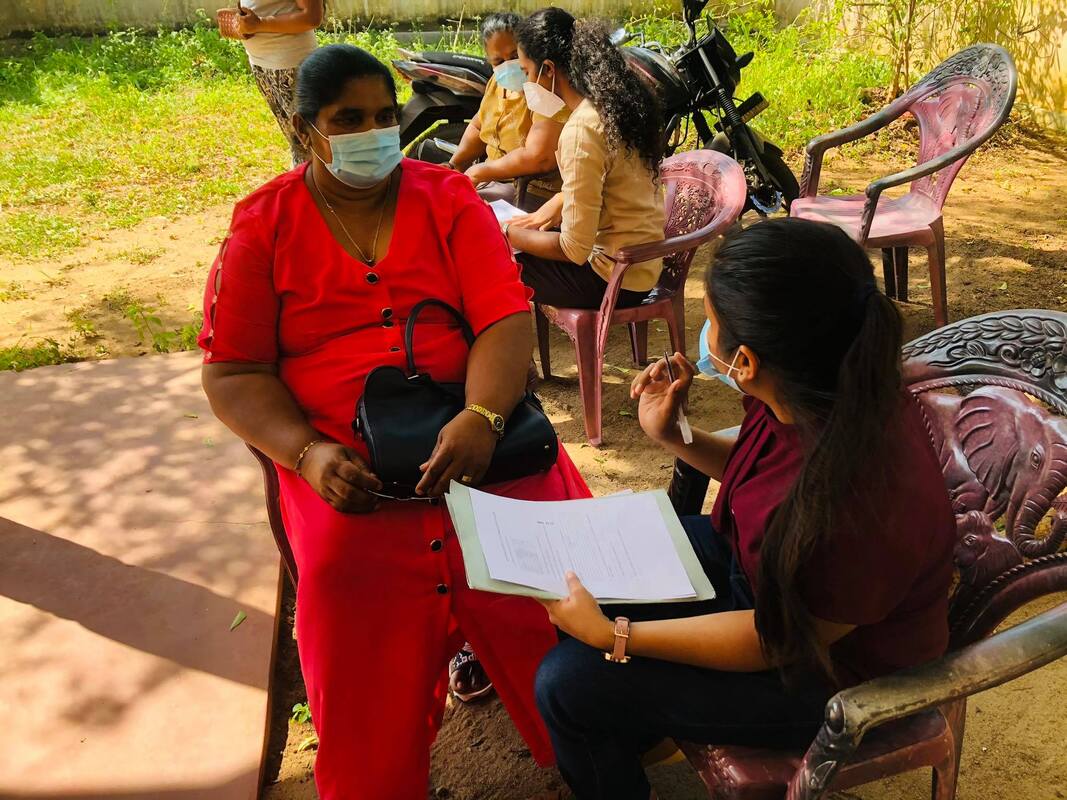
October 2022, Galle. Dried fish is a popular and low-energy form of processed fish in Sri Lanka. However, the local producers face challenges when marketing the product and have low economic return. Working in the Galle district of Sri Lanka, Udani Naynathara performed an economic experiment using the Choice Card methodology. She found that consumers prefer locally-produced, sun-dried and quality-certified dried fish. There is also a premium prize consumers are willing to pay for a product certified by a recognized quality assurance body. This is good news if producers can comply and consumers stand by their revealed preferences, which may deserve additional study. Udani is a Nor-Lanka Blue graduate and was supervised by Prof. Nilantha De Silva (Ruhuna) and Prof. Margrethe Aanesen (Tromsø). She is now stepping up to a job as Lecturer at the Faculty of Technology, University of Sri Jayewardenapura. |
|
|
A new batch in the Arctic
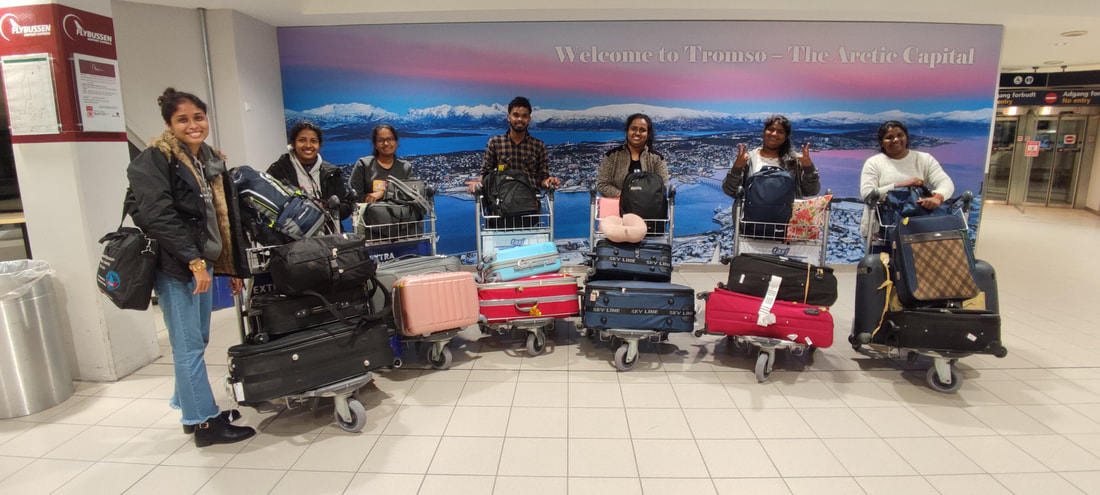
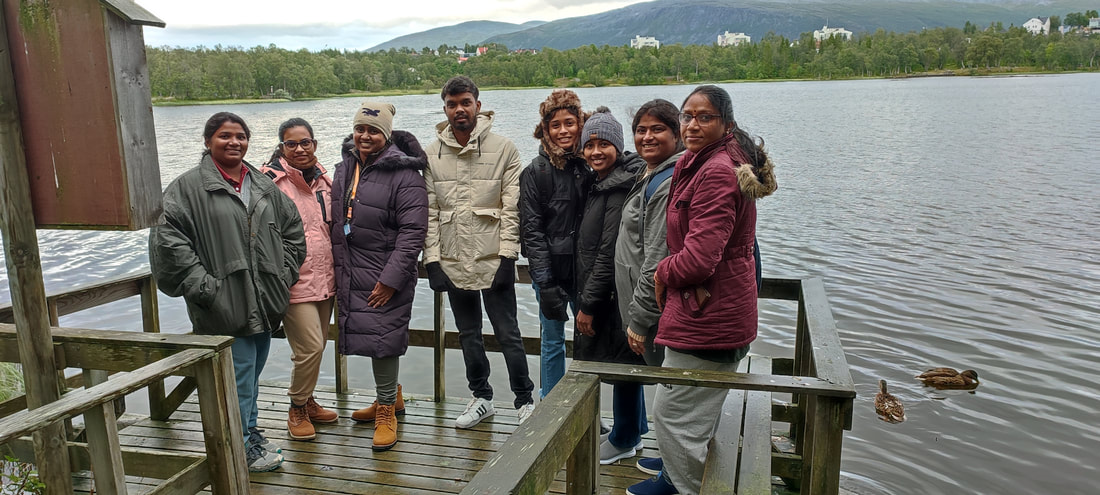
September 2022, Tromsø. After thrilling times waiting for visa, travel tickets and cancelled flights, a new batch of seven master students from several universities and research institutes in Sri Lanka made their way to Tromsø. Soon after one PhD researcher from the University of Jaffna joined them. They arrived in early August, right on time to attend the debut week for international students at the Arctic University of Norway. Following the official opening and registration at the university, housing organization and visa department at the police station, they were ready for student life. This included a participation in the student performance contest already in the second day of the debut week. Soon after, they were set for a new semester. This batch is one that will make use of all the opportunities offered in town. |
|
|
New trends in shrimp farming assessed in Sri Lanka
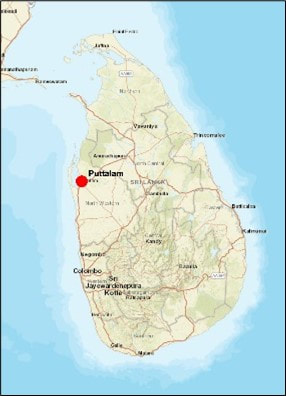
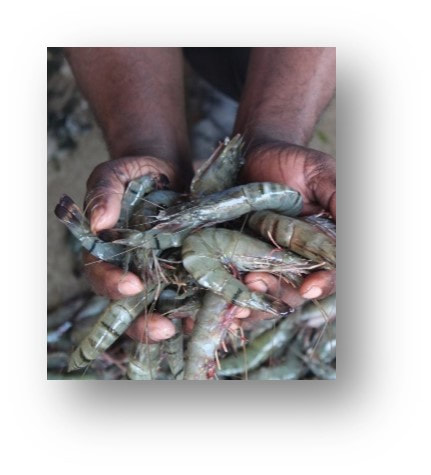
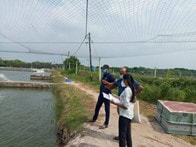
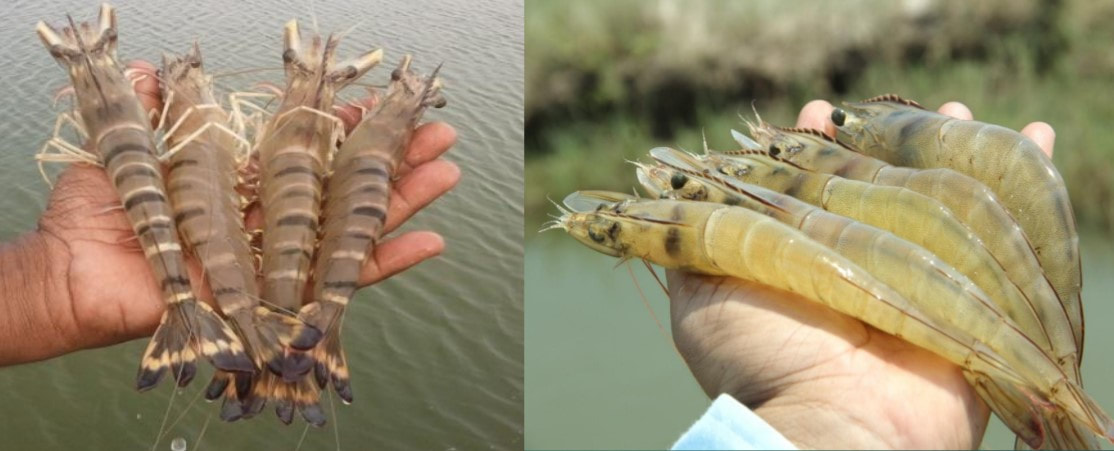
August 2022, Puttalam. Shrimp farming in Sri Lanka began in 1980s mainly in the northern and eastern regions. Farmed shrimp is presently the second largest seafood export, in terms of value. Until recently, the industry relied solely on the culture of Penaeus monodon, which has large demand in the international markets. However, the situation is changing and there is a drive to farm P. vannamei. This can be related to its cost of production, productivity and acceptance in the markets. A cost-benefit analysis of the two species has been initiated in the important Puttalam district by Ms. Ayomi Bandara. She is one student trained in the NorLanka Blue project who is being supervised by Dr. Amaralal at NARA. |
|

|
The welfare of marine ornamental fisher-divers
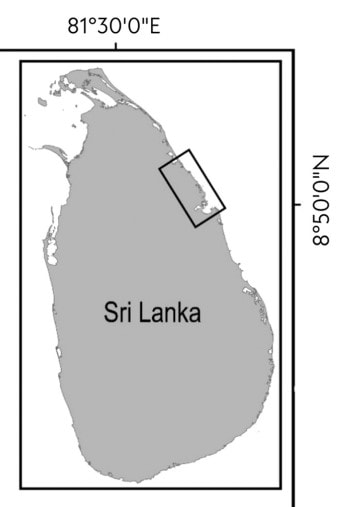
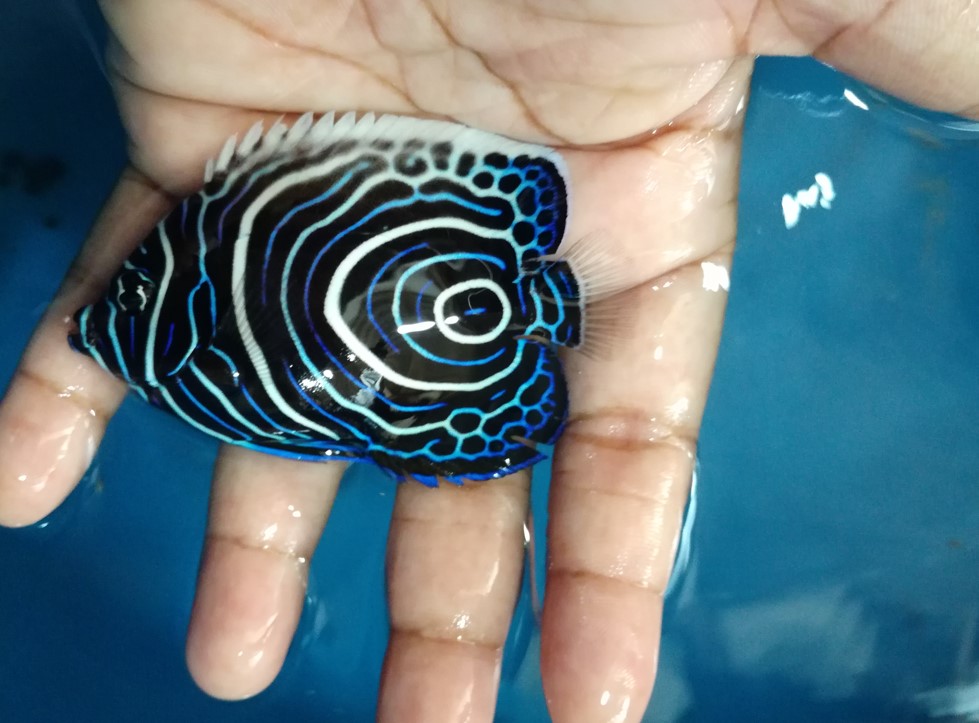
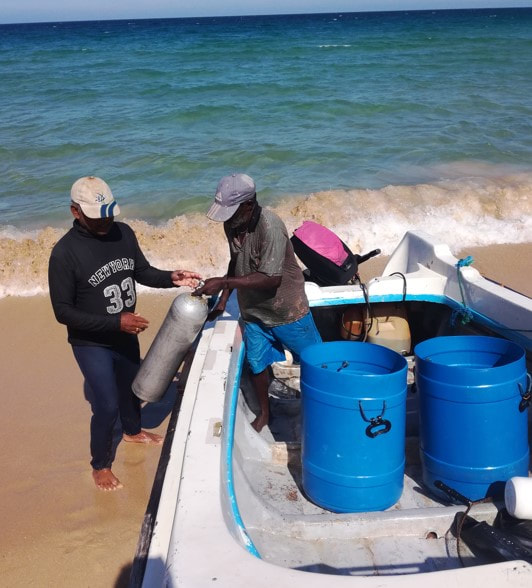
July 2022, Matara. Sri Lanka was probably the first world exporter of marine ornamental organisms, as early as the 1930’s. Management of these reef fisheries, which are particularly important in Trincomalee, has been lagging behind the development of the industry. There is little knowledge about the operations, fisher welfare and conservation status of the natural populations and reefs. In an article just published in a marine policy journal, Vishmila Priyashadi has addressed the issue of human development. Priyashadi is one of the NorLanka Blue graduates and the article is co-authored by Dr Deepananda and Dr Jayasinghe, her two supervisors at the University of Ruhuna. |
|

|
Fishers knowledge under the eye of satellites
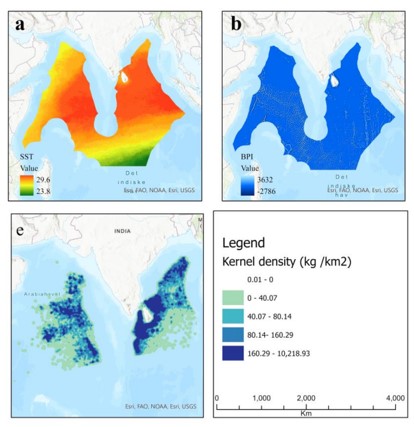
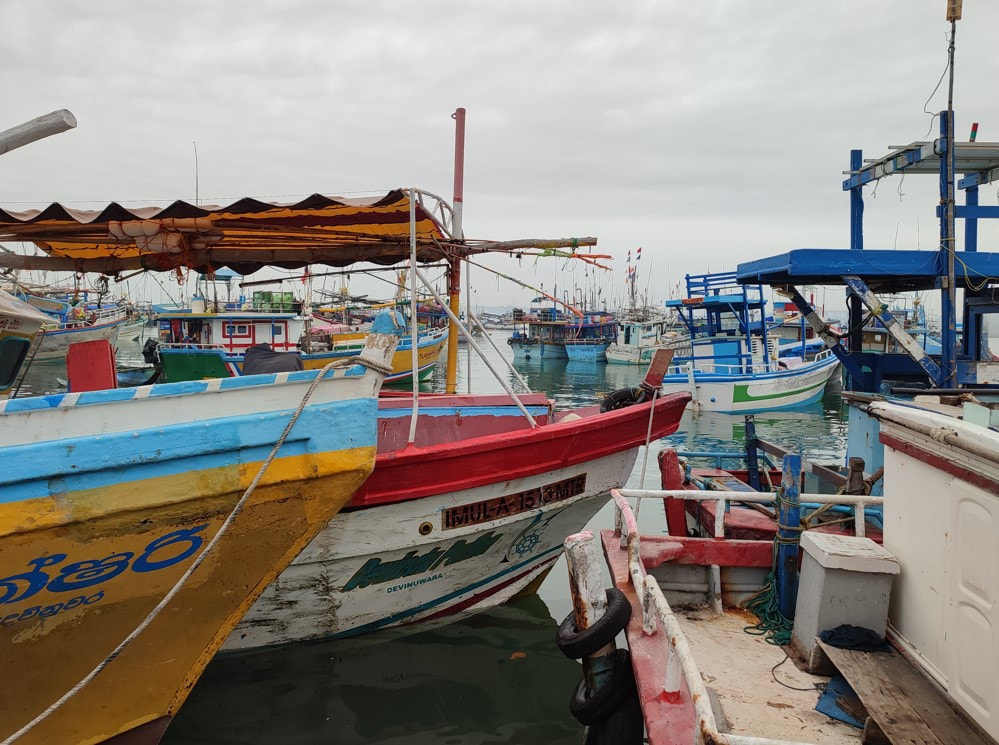
June 2022, Tromsø – In a dissertation newly submitted at the Norwegian College of Fishery Sciences, Achini Lakmali analyzed the distribution of the oceanic longline tuna fishery off Sri Lanka (link). She used Geographic Information Systems and different types of data to map and understand the hotspots of activity. The data included environmental variables acquired by satellites, as well as the logbook catch data and oral information provided by fishers. This work helps understanding the ecology of the seas, assists fishers targeting their operations, is valuable for maritime safety planning and supports the monitoring of the fishery. Achini works regularly as a socio-economic researcher at NARA-Colombo and is the first graduate of the NorLanka Blue project. She was supervised by Prof Keshav Paudel at the NCFS. |
|

|
Fresh workshop reset in Sri Lanka
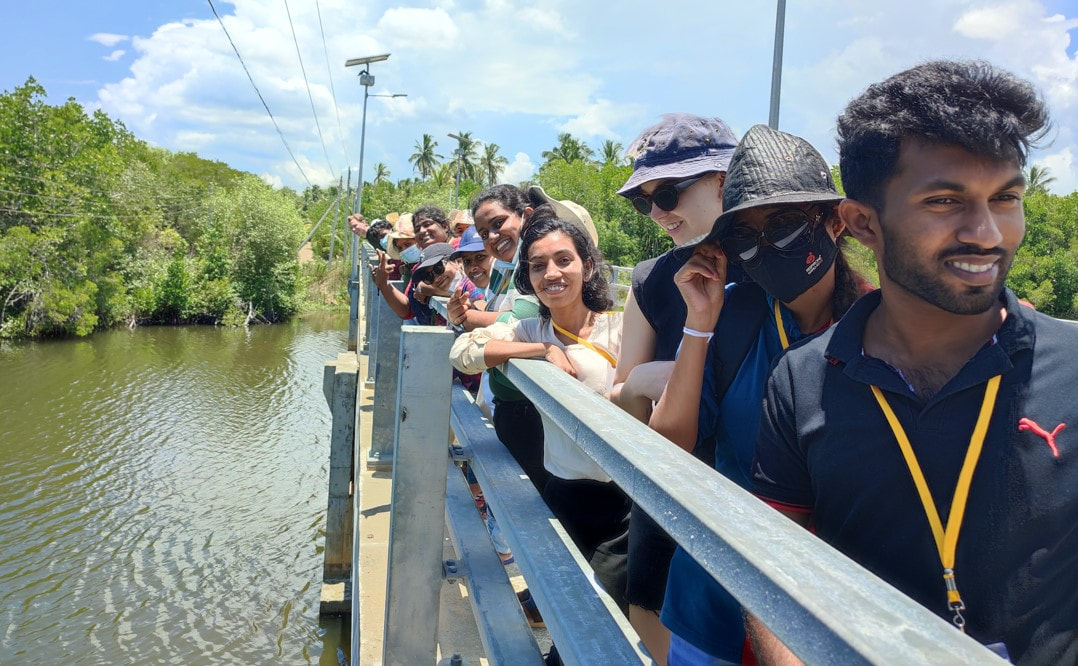
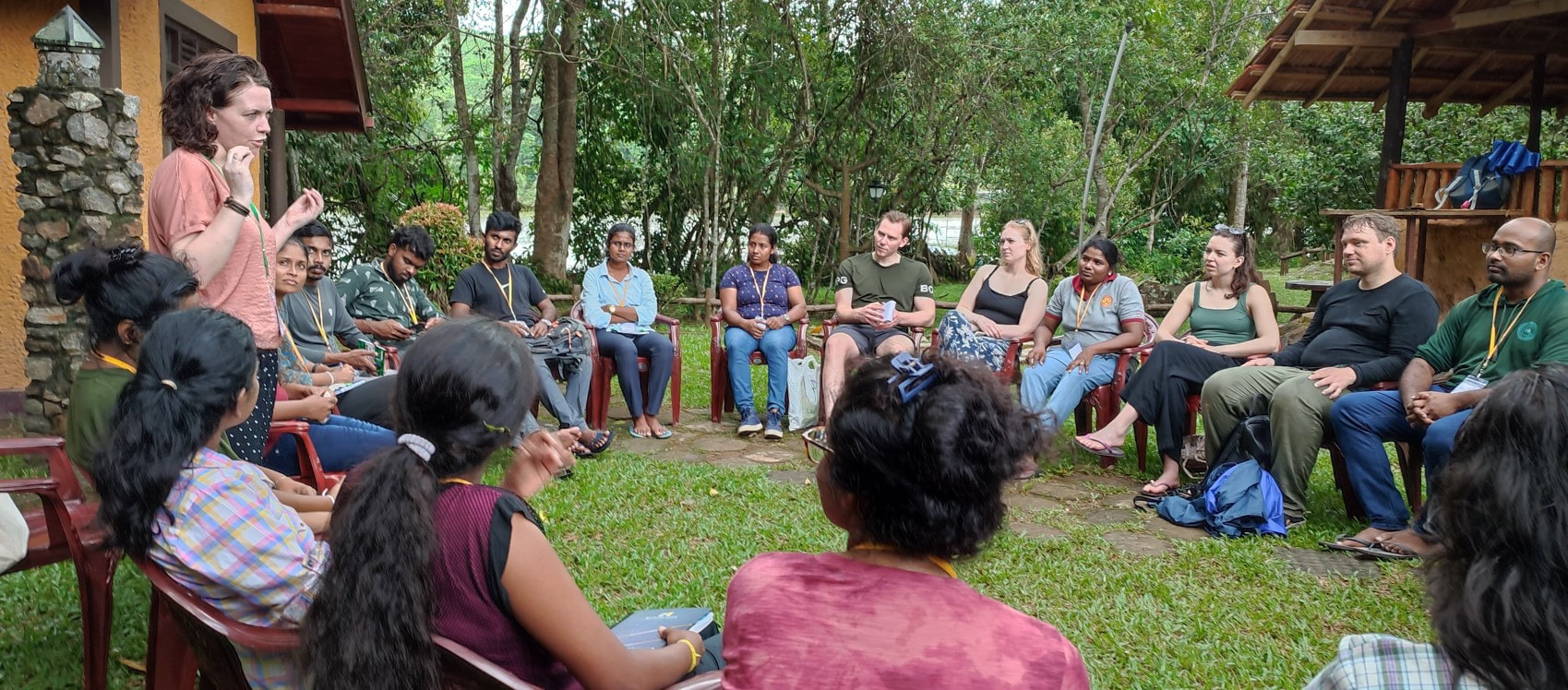
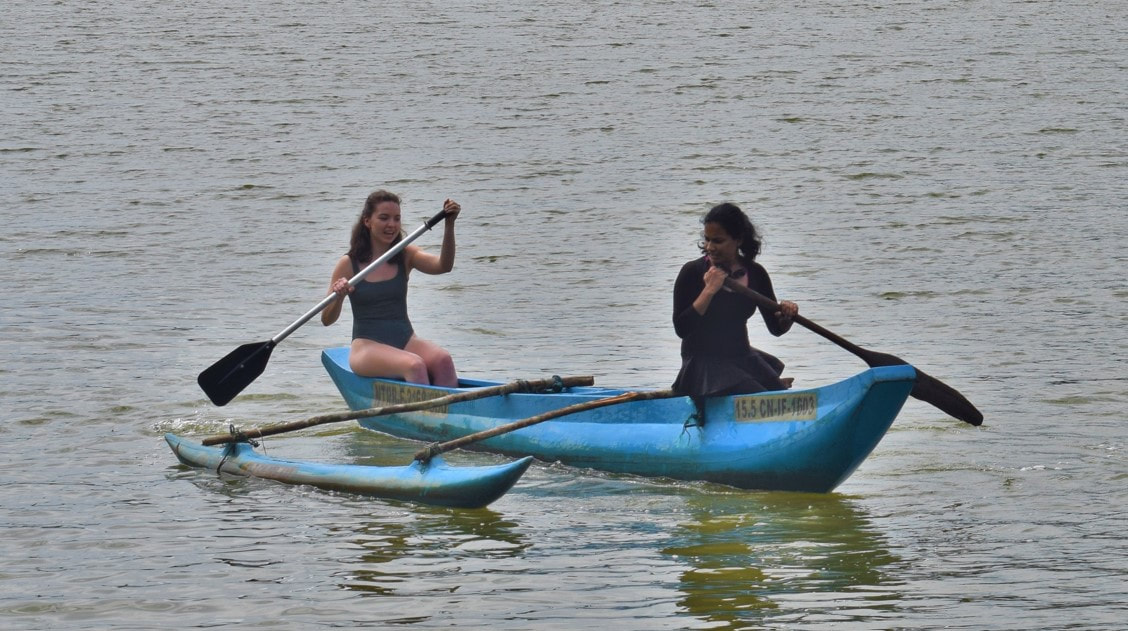
May 2022, Matara. After a two-year unintended break, we resumed the annual workshops in Sri Lanka in April, as the travel restrictions eased. The title was Blue Environment and socio-economics and it covered multiple topics from toxicology and environmental genetics to political sciences and career development. Placement in the workshop was highly competitive, and 20 undergraduates from Sri Lanka and four from the University of Tromsø were selected. They worked in six case studies, ranging from urban planning to coastal conflicts and maritime disasters. Sixteen lecturers from the UiT and universities and research institutes in Sri Lanka, South Africa and Japan gave their assistance, online, in-campus and in the frequent outings and fieldwork. The political and economic situation in Sri Lanka is very challenging, and this called for frequent adjustments to the plans. The students and the organizers at the university of Ruhuna, deserve applause for their great flexibility and perseverance. |
|

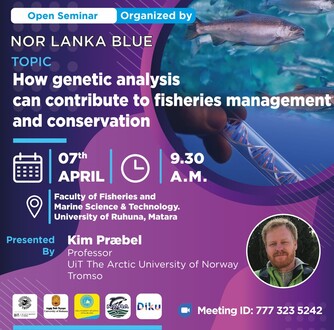
NorLanka Blue webinar on fishery genetics
April 7, 2022, University of Ruhuna. "How genetic analysis can contribute to fisheries management and conservation”, by Dr. Kim Præbel, a researcher of NorLanka Blue. He is professor at the UiT - Arcitc University of Norway, with background in fish biology and genetics. Webinar organized by Prof. Suneetha Gunawicrama, University of Ruhuna- Science.
April 7, 2022, University of Ruhuna. "How genetic analysis can contribute to fisheries management and conservation”, by Dr. Kim Præbel, a researcher of NorLanka Blue. He is professor at the UiT - Arcitc University of Norway, with background in fish biology and genetics. Webinar organized by Prof. Suneetha Gunawicrama, University of Ruhuna- Science.
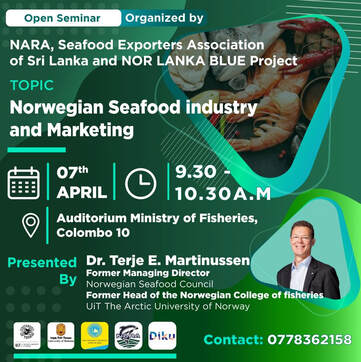
NorLanka Blue seminar on Norwegian export industry
April 7, 2022, Ministry of Fisheries, Colombo. "Norwegian Seafood industry and Marketing”, by Dr. Terje Martinussen. He was for many years the managing director of the Norwegian Seafood Council, and more recently the Head of the Norwegian College of Fishery Science, at the UiT- the Arctic University of Norway. Seminar organized by Dr. Lalith Amralal, NARA.
April 7, 2022, Ministry of Fisheries, Colombo. "Norwegian Seafood industry and Marketing”, by Dr. Terje Martinussen. He was for many years the managing director of the Norwegian Seafood Council, and more recently the Head of the Norwegian College of Fishery Science, at the UiT- the Arctic University of Norway. Seminar organized by Dr. Lalith Amralal, NARA.
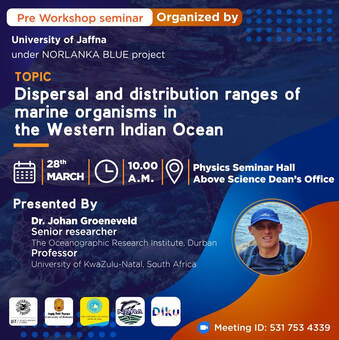
NorLanka Blue webinar on crustacean biology in the Indian Ocean
March 28, 2022, University of Jaffna. "Dispersal and distribution ranges of marine organisms in the Western Indian Ocean”, by Dr. Johan Groeneveld, guest of NorLanka Blue. He is a senior researcher at the Oceanographic Research Institute, Durban, and professor at the University of KwaZulu-Natal, South Africa. He has background in crustacean biology, fisheries, genetics and evolution, and is subject editor in a number of journals. Webinar organized by Prof. Sivashanthini Kuganathan, University of Jaffna- Fisheries.
March 28, 2022, University of Jaffna. "Dispersal and distribution ranges of marine organisms in the Western Indian Ocean”, by Dr. Johan Groeneveld, guest of NorLanka Blue. He is a senior researcher at the Oceanographic Research Institute, Durban, and professor at the University of KwaZulu-Natal, South Africa. He has background in crustacean biology, fisheries, genetics and evolution, and is subject editor in a number of journals. Webinar organized by Prof. Sivashanthini Kuganathan, University of Jaffna- Fisheries.
|
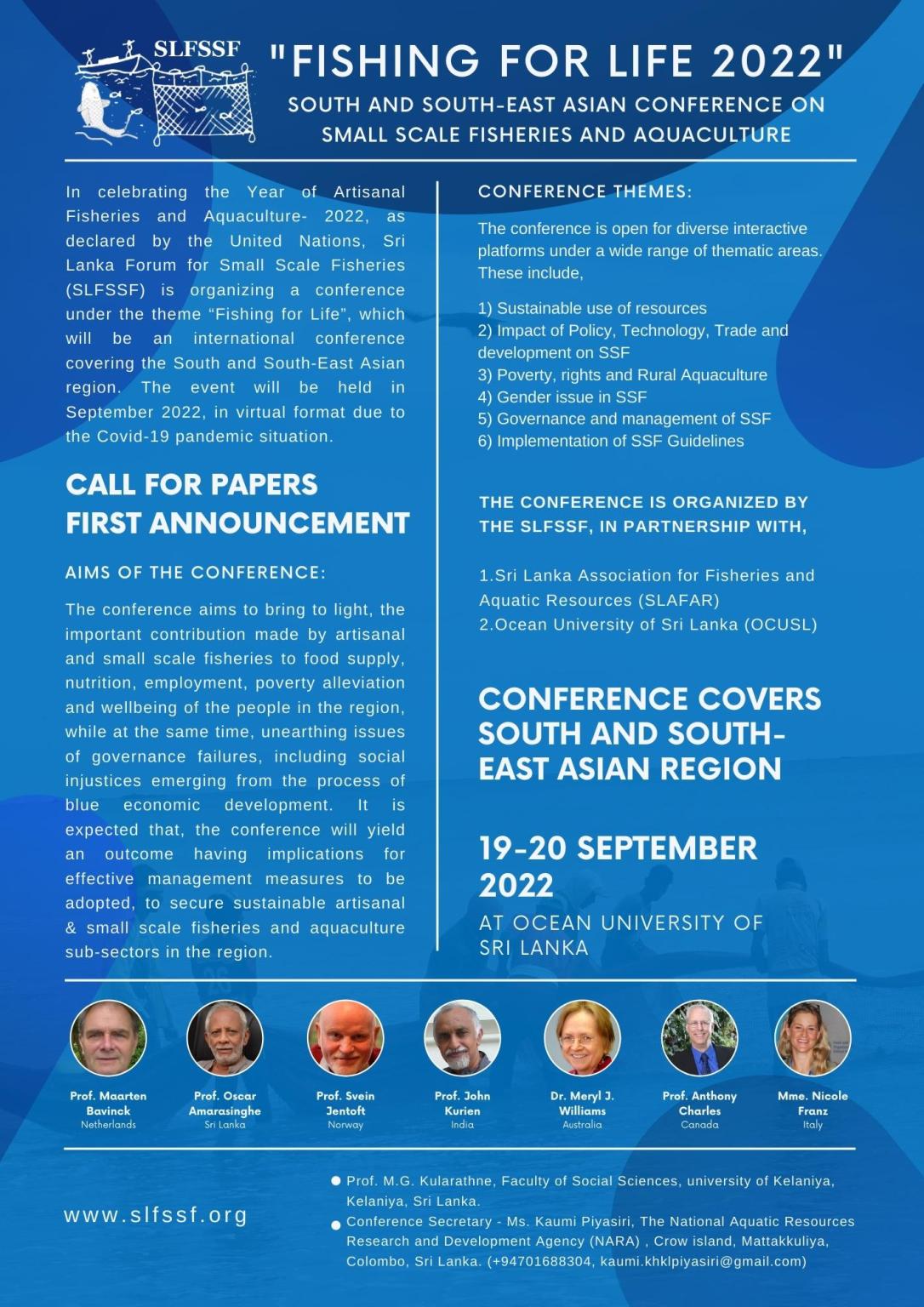
Call for Papers on Small Scale Fisheries
March 2022. Some of the PIs and partners in NorLanka Blue are deeply involved in the the Sri Lanka Forum for Small Scale Fisheries (SLFSSF). In celebrating the Year of Artisanal Fisheries and Aquaculture 2022, SLFSSF is organizing a conference under the theme “Fishing For Life”, which will be an international conference covering the South and South-East Asian region. The event will be held in September 2022, in virtual format. They have now a call for papers. Visit their website for more information: -https://slfssf.org/ |
|

|
Workshop and mobility 2021: Call for Applications
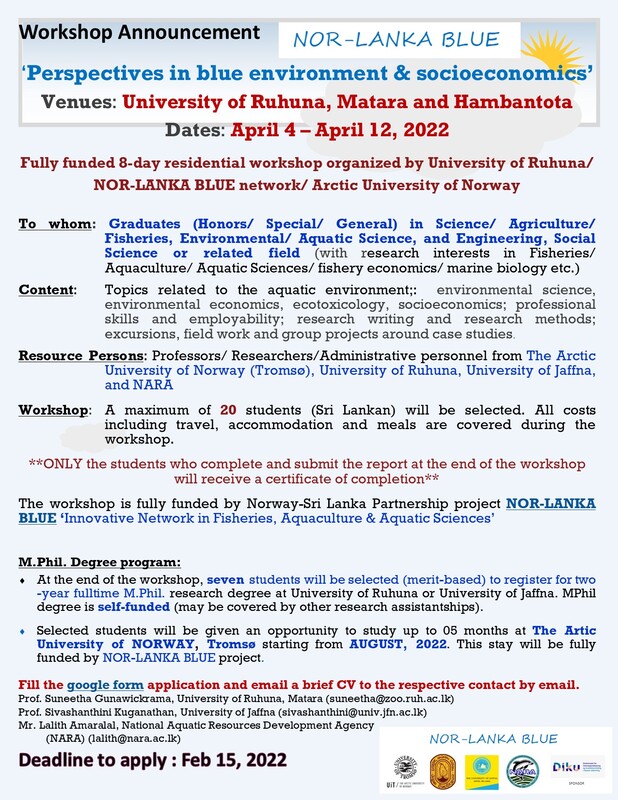
February 2022. We hope to resume our series of workshops (April) and mobilities (August), the pandemic allowing. This year the topic is "Blue Environment and Socio-Economics". Students are welcome to apply for placement and scholarships. Read the document attached. Deadline: February 15, 2022. We hope to meet you in Southern Sri Lanka for two weeks of hard work, team activities and fun. |
| ||
|
NorLanka Blue webinar for young researchers
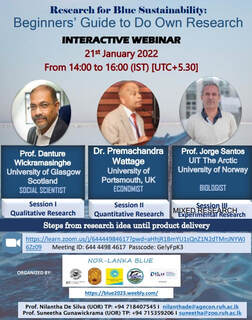
January 2022. The first interactive Webinar on '"Research for Blue Sustainability: Beginners’ Guide to Do Own Research" organized by NOR-LANKA BLUE network will be held on 21st January 2022; 14:00 to 16:00 (IST). This free webinar is for final year undergraduates, recent graduates, and early career researchers. NOR-LANKA BLUE is a partnership project with the Arctic University of Norway (UiT, Tromso), University of Ruhuna, University of Jaffna, and National Aquatic Research and Development Agency (NARA). Speakers: Prof Danture Wickramasinghe (Glasgow), Dr Premachandra Wattage (Portsmouth), Prof Jorge Santos (Tromsø). Moderator: Prof Nilantha de Silva (Ruhuna). The recorded webinar is available here. |
| ||
|
The Blue School Project started in four major cities!
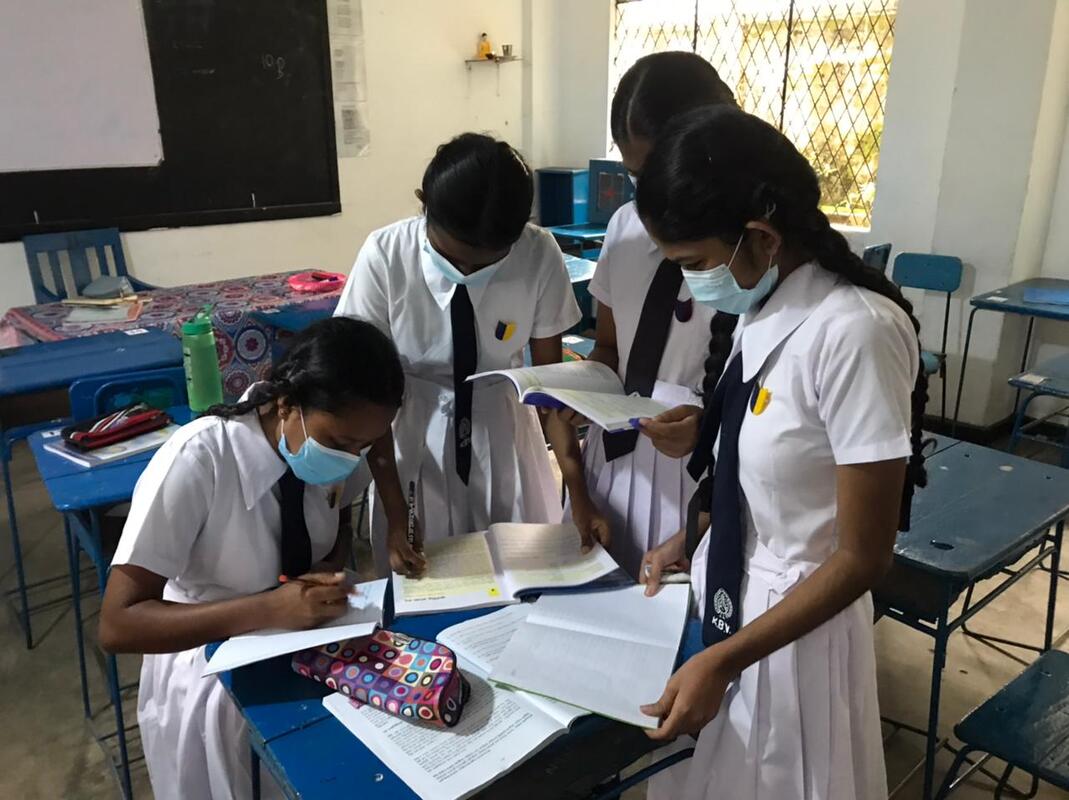
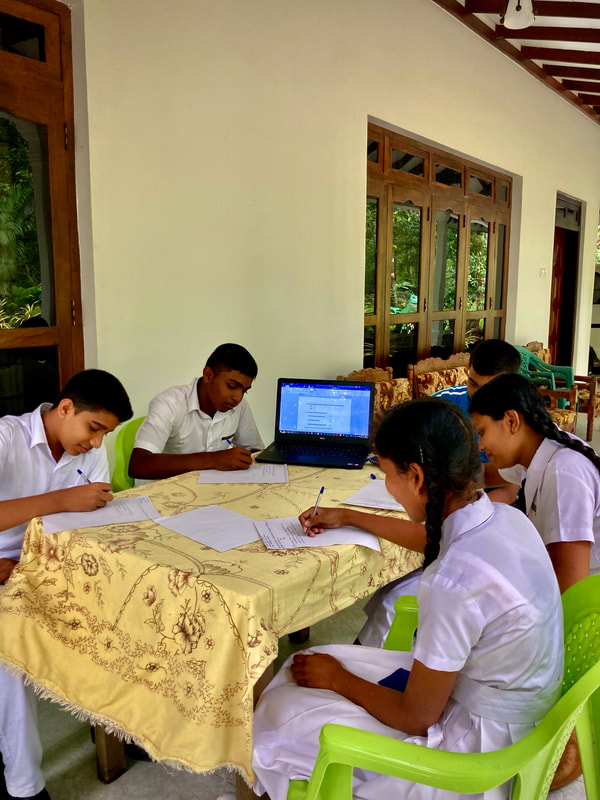
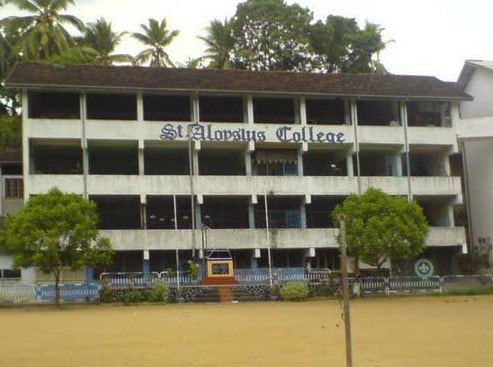
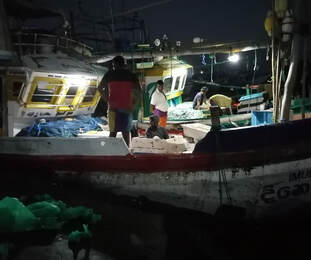
Ratnapura, Colombo, Jaffna, Pollonnaruwa, December 2021. Our graduate students Dhanushka, Ilmi, Vishmila, Chanaka, Hasamini, Sulakkana, Shobiya, and Saruga have now started the outreach initiative “Social Sciences Project. During five weeks they will bring practical science to the school curricula. In a supervised environment, tenths of young students will ask and analyze critical questions in a professional manner. The background for the project is the X-Press Pearl spill in Sri Lankan waters in 2021, which has been widely publicized in the news worldwide. Have Sri Lankans become more environmental aware and critical, and have they changed their consumer behavior? In this project, schools collaborate in the formulation of the questions and share the research questionnaires used in the field surveys. Blue School is truly a national initiative, and a target of research itself. We acknowledge the great assistance given by local teachers in the Sinhala schools of St. Aloysius College Ratnapura, Kolonnawa Balika Vidyalaya Colombo, Ayagama Janapada Vidyala Ratnapura, Kadawalawewa Maha Vidyalaya Polonnaruwa, and Tamil schools of Chavakachcheri Hindu college, Chavakachcheri Ladies college in Jaffna, as well as from principal investigators of the NorLanka Blue project. |
|

The first PhD mobility in NorLanka Blue
November 2021. Lalith Amaralal Kariyawasam, a PhD scholar from National Aquatic Resources Research & Development Agency (NARA) arrived in Tromso under PhD mobility in September. He is a Principal Scientist and the Head of the Socio-economic & marketing Research Division at NARA. He is a registered PhD Candidate at University of Colombo in Sri Lanka working on 'Technical efficiency of offshore fishing fleet in Sri Lanka', under supervision of Prof. O. Kuntesson from Iceland (main), and Prof. Sirimal Aberatne (Univ of Colombo), and Prof. MG Kularatne (Univ of Kelaniya). At UiT, Lalith will follow a course on scientific writing and will work on a related research paper together with his UiT advisor Prof. Arne Eide of the fishery economics research group. He will complete his stint at UiT by first week of December 2021. His stay is fully funded by NOR LANKA BLUE PhD mobility component.
November 2021. Lalith Amaralal Kariyawasam, a PhD scholar from National Aquatic Resources Research & Development Agency (NARA) arrived in Tromso under PhD mobility in September. He is a Principal Scientist and the Head of the Socio-economic & marketing Research Division at NARA. He is a registered PhD Candidate at University of Colombo in Sri Lanka working on 'Technical efficiency of offshore fishing fleet in Sri Lanka', under supervision of Prof. O. Kuntesson from Iceland (main), and Prof. Sirimal Aberatne (Univ of Colombo), and Prof. MG Kularatne (Univ of Kelaniya). At UiT, Lalith will follow a course on scientific writing and will work on a related research paper together with his UiT advisor Prof. Arne Eide of the fishery economics research group. He will complete his stint at UiT by first week of December 2021. His stay is fully funded by NOR LANKA BLUE PhD mobility component.
|
Ambassador visits Tromsø
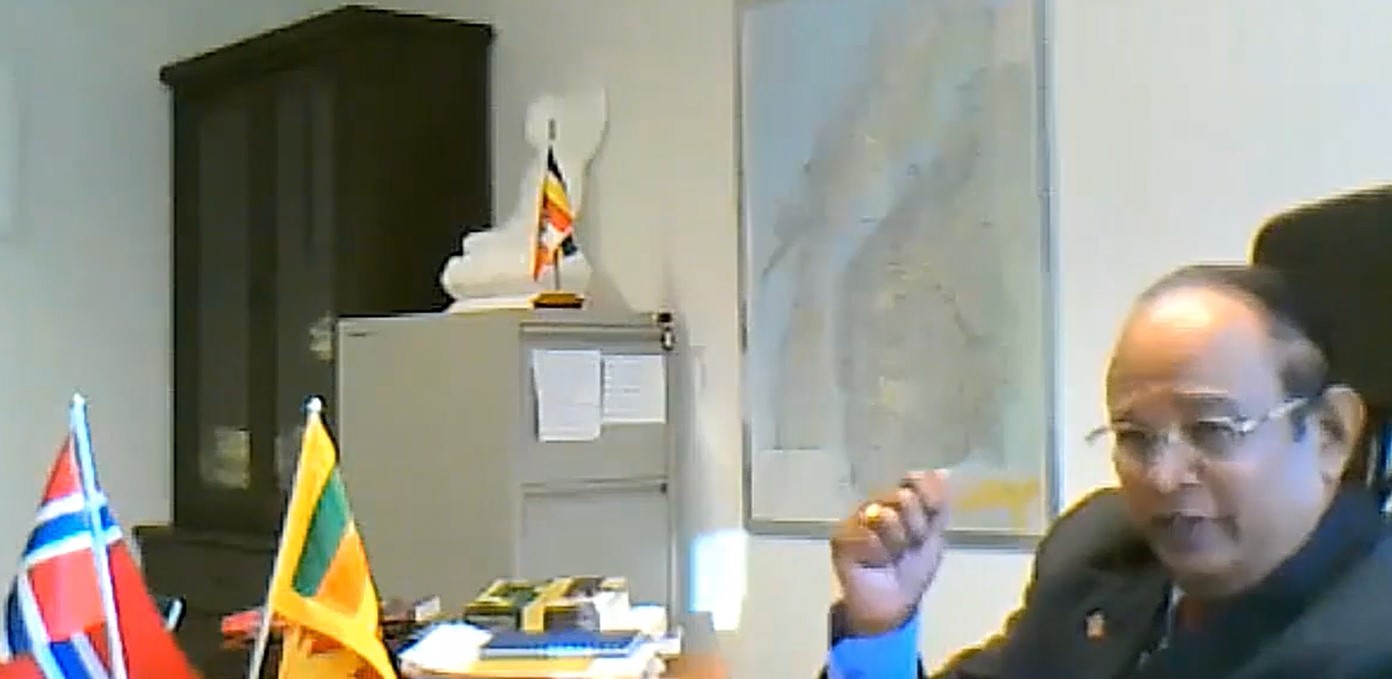
October 2021. H. E. Mr. Godfrey Cooray, the Ambassador of Sri Lanka to the Kingdom of Norway, visited Tromsø early in October. One of the main purposes of his visit was to develop academic and research collaboration with The Arctic University of Norway. The ambassador participated in a special meeting with Mr. Terje E. Martinussen, Head of The Norwegian College of Fishery Science. They had a fruitful discussion on required modifications and new initiatives for the Sri Lankan higher educational sector. The ambassador met the Sri Lankan students as well at the university and suggested to set up an UiT- Sri Lanka student association. There was a Sri Lankan community gathering on the third day of his visit. The Tromsø- Sri Lanka Friendship Association was established for the purpose of empowering cultural and social cooperation among Sri Lankans in Tromsø. |
|

A new researcher from Sri Lanka joins the Norwegian College of Fishery Sciences
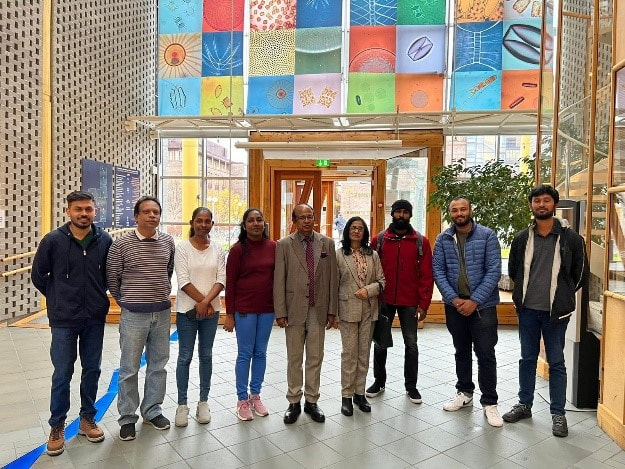
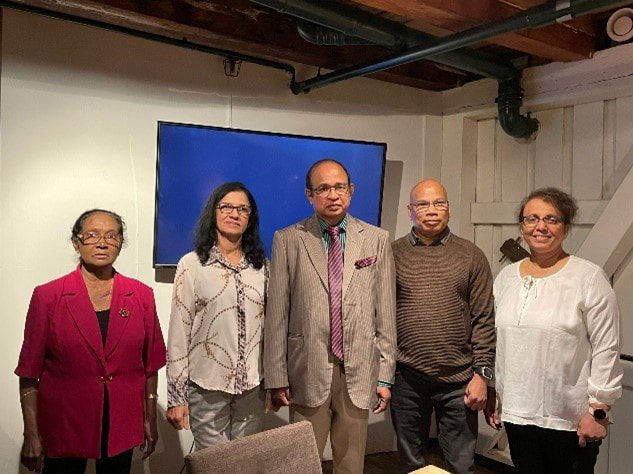
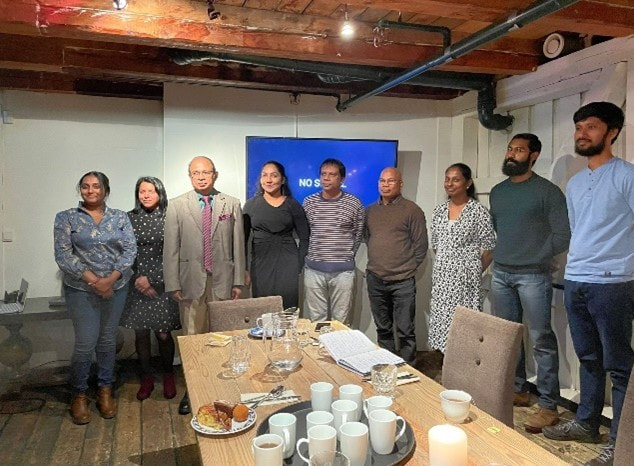
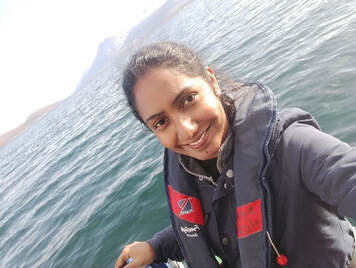
September 2021. Hasini, one of our former Erasmus+ Global Mobility students at The Arctic University of Norway returned to Tromsø to start a PhD in Fisheries Innovation and Development. She is affiliated with the AFO-JIGG project hosted by the CRAFT Research Group at the Norwegian College of Fishery Science. The project uses service design to improve the welfare and product quality in the Norwegian small-scale fishing fleet. Her topics of research will be technology readiness, and future skills and business models. Hasini earned a M. Phil. In Fisheries Economics from Ruhuna University with her work on value chains and networks. As Hasini says, "these three years will be an excellent opportunity to work in the Norwegian fisheries sector while fostering my keen interest in socio-economic research”.
September 2021. Hasini, one of our former Erasmus+ Global Mobility students at The Arctic University of Norway returned to Tromsø to start a PhD in Fisheries Innovation and Development. She is affiliated with the AFO-JIGG project hosted by the CRAFT Research Group at the Norwegian College of Fishery Science. The project uses service design to improve the welfare and product quality in the Norwegian small-scale fishing fleet. Her topics of research will be technology readiness, and future skills and business models. Hasini earned a M. Phil. In Fisheries Economics from Ruhuna University with her work on value chains and networks. As Hasini says, "these three years will be an excellent opportunity to work in the Norwegian fisheries sector while fostering my keen interest in socio-economic research”.
A new research group in Tromsø, Norway
August 2021. Our project NorLanka Blue has recently been domiciliated with the newly established research group CRAFT at the Norwegian College of Fishery Science, The Arctic University of Norway. A purpose of the CRAFT-lab is to support research and education at the borderline between ecology, social sciences, and technology. We care about embedding fisheries/resource use within the process of digitalization of the ocean that is taking place at fast pace. Developments on ocean utilization around the world are important to us, and we keep a great interest on the seas, coasts and cities of the Indian Ocean.
August 2021. Our project NorLanka Blue has recently been domiciliated with the newly established research group CRAFT at the Norwegian College of Fishery Science, The Arctic University of Norway. A purpose of the CRAFT-lab is to support research and education at the borderline between ecology, social sciences, and technology. We care about embedding fisheries/resource use within the process of digitalization of the ocean that is taking place at fast pace. Developments on ocean utilization around the world are important to us, and we keep a great interest on the seas, coasts and cities of the Indian Ocean.
A blue case study to assist Sri Lanka
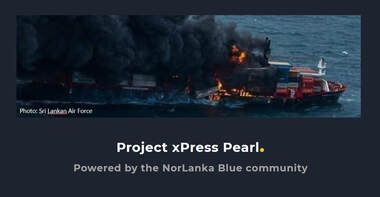
July 2021. In May-June, the X-Press Pearl, a large container ship, caught fire off Colombo harbor. During the accident, large amounts of chemicals were spilled to the sea and coast. It is believed, however, that much remains in the wreck. Students and principal investigators of NorLanka Blue started an open information site on topics related to ecology, pollution remediation, socio-economic impact and strategic choices to deal with the accident and its aftermath. The chronicles in the Pearl-in-Blue site, have a popular-scientific format, are limited to 500 words, contain media, and are open to any author with interest in related subjects. An editorial board deals with the texts submitted.
July 2021. In May-June, the X-Press Pearl, a large container ship, caught fire off Colombo harbor. During the accident, large amounts of chemicals were spilled to the sea and coast. It is believed, however, that much remains in the wreck. Students and principal investigators of NorLanka Blue started an open information site on topics related to ecology, pollution remediation, socio-economic impact and strategic choices to deal with the accident and its aftermath. The chronicles in the Pearl-in-Blue site, have a popular-scientific format, are limited to 500 words, contain media, and are open to any author with interest in related subjects. An editorial board deals with the texts submitted.
Research stories - online courses around the world
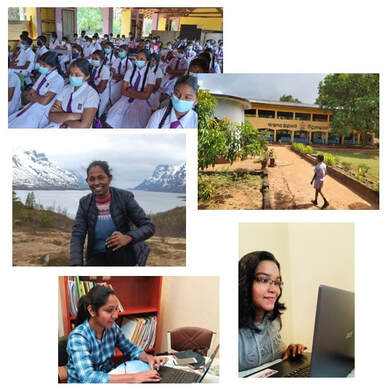
June 2021. The ongoing pandemic has given Dhanushka, Achini and Hasini new research opportunites, this time online. In one project, they are making a systematic survey of online education courses and degrees in Blue Sciences. In the other project, they are analyzing the best examples of outreach programs on ocean literacy. They will adapt them to Sri Lankan rural schools together with local educators. The plan is to start the outreach events in nearby schools back to back with the NorLanka Blue workshops. The events will be led by our alumni and the teaching staff in schools, and will be coordinated with NARA’s Aqua Club initiative.
June 2021. The ongoing pandemic has given Dhanushka, Achini and Hasini new research opportunites, this time online. In one project, they are making a systematic survey of online education courses and degrees in Blue Sciences. In the other project, they are analyzing the best examples of outreach programs on ocean literacy. They will adapt them to Sri Lankan rural schools together with local educators. The plan is to start the outreach events in nearby schools back to back with the NorLanka Blue workshops. The events will be led by our alumni and the teaching staff in schools, and will be coordinated with NARA’s Aqua Club initiative.
NorLanka Blue to 2024
May 2021. We have managed to accomplish most of our activities so far, but 2021 has been a whole lot trickier. Unpredictable changes in travel restrictions forced us to re-schedule and re-shuffle the activities of the project and postpone most mobilities. Now, we have the confirmation from our sponsor, DIKU, that we are allowed to extend the project to December 2024, i.e. by one year. This gives us ample time to re-mobilize and continue our planned work.
May 2021. We have managed to accomplish most of our activities so far, but 2021 has been a whole lot trickier. Unpredictable changes in travel restrictions forced us to re-schedule and re-shuffle the activities of the project and postpone most mobilities. Now, we have the confirmation from our sponsor, DIKU, that we are allowed to extend the project to December 2024, i.e. by one year. This gives us ample time to re-mobilize and continue our planned work.
|
Blue collaboration with Norway
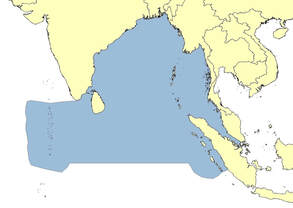
May 2021. Two new programs will receive strong support from Norway. Recently, the National Aquatic Resources Research and Development Agency (NARA) and the Institute of Marine Research, Norway (IMR) joined hands to continue their cooperation in fisheries research in Sri Lankan waters. Also in the pipeline is the 2nd phase of the Bay of Bengal Large Marine Ecosystem project, which addresses i.a. several ecosystem issues in Sri Lankan waters. The operation is coordinated by FAO/GEF, together with partners as IUCN. As there is need for education, training and good researchers in both projects, we cannot exclude that NorLanka Blue may somehow get involved in the future. |
|
|
Blue ideas - improving traditional fish
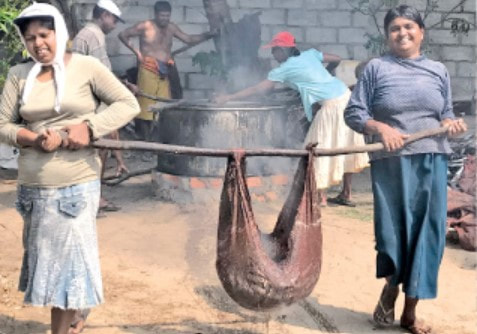
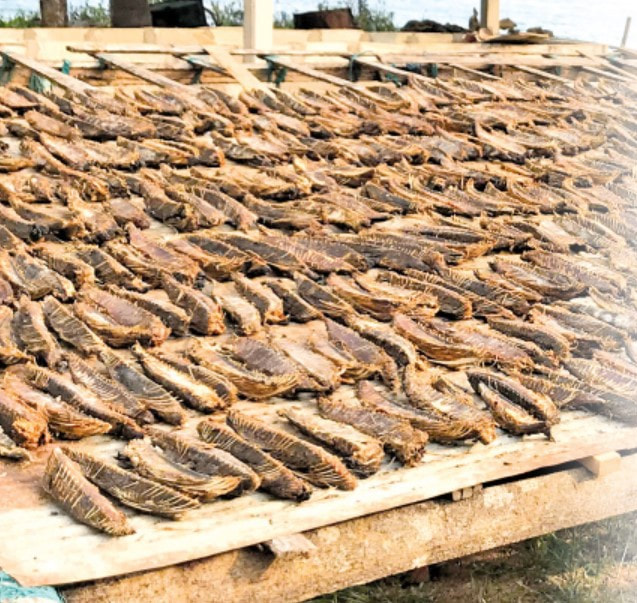
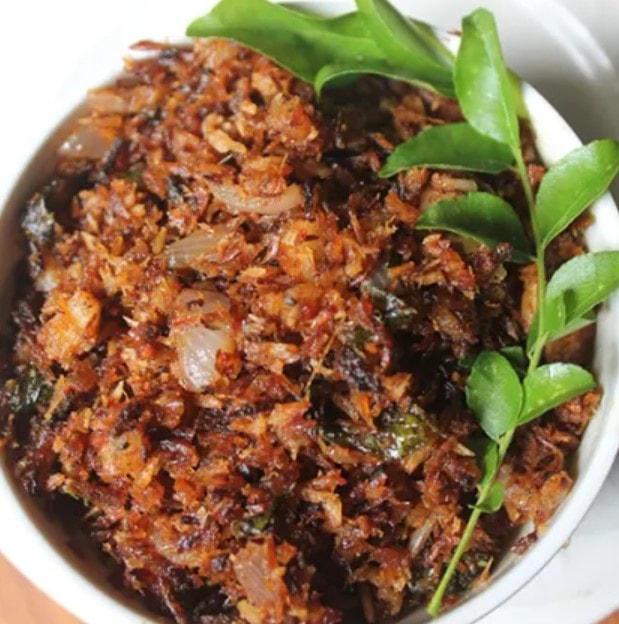
April 2021. Even traditional products may benefit from small changes along the value chain. The ambassador of Sri Lanka to Norway, Godfrey Cooray, a former CEO of NARA, has pointed out the potential of maldive fish. This is a type of processing that involves boiling, smoking, sun-drying and flaking of fish. The process is labour intensive, and provides self-employment for many in seaboard areas, particularly women. The product is used in fish sambol, a popular dish in Sri Lanka. |
|
|
Research stories - promoting salmon products
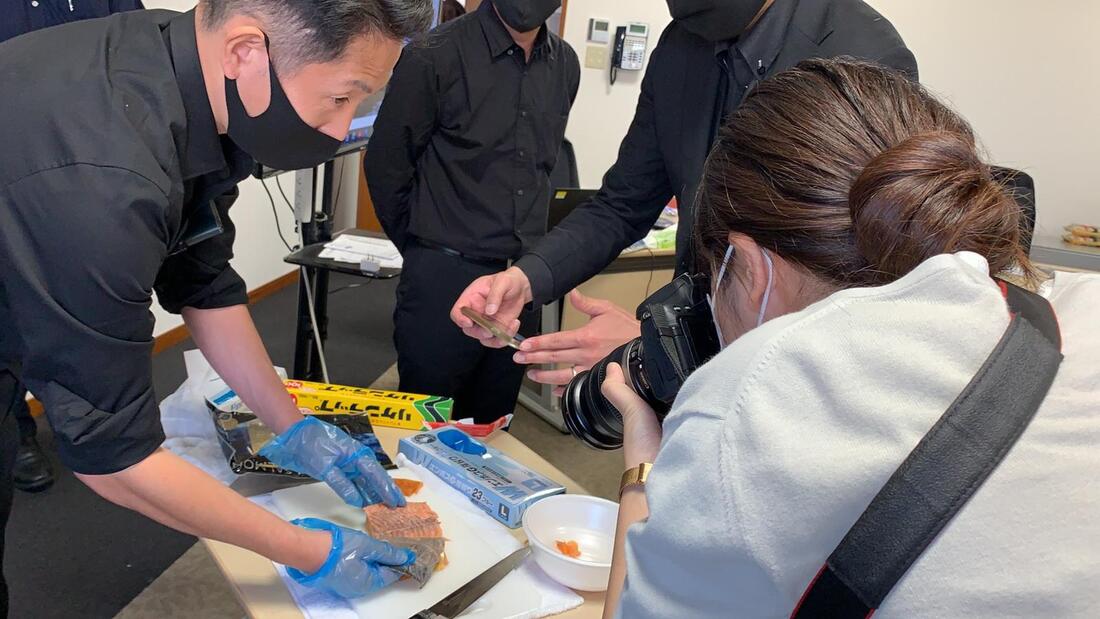
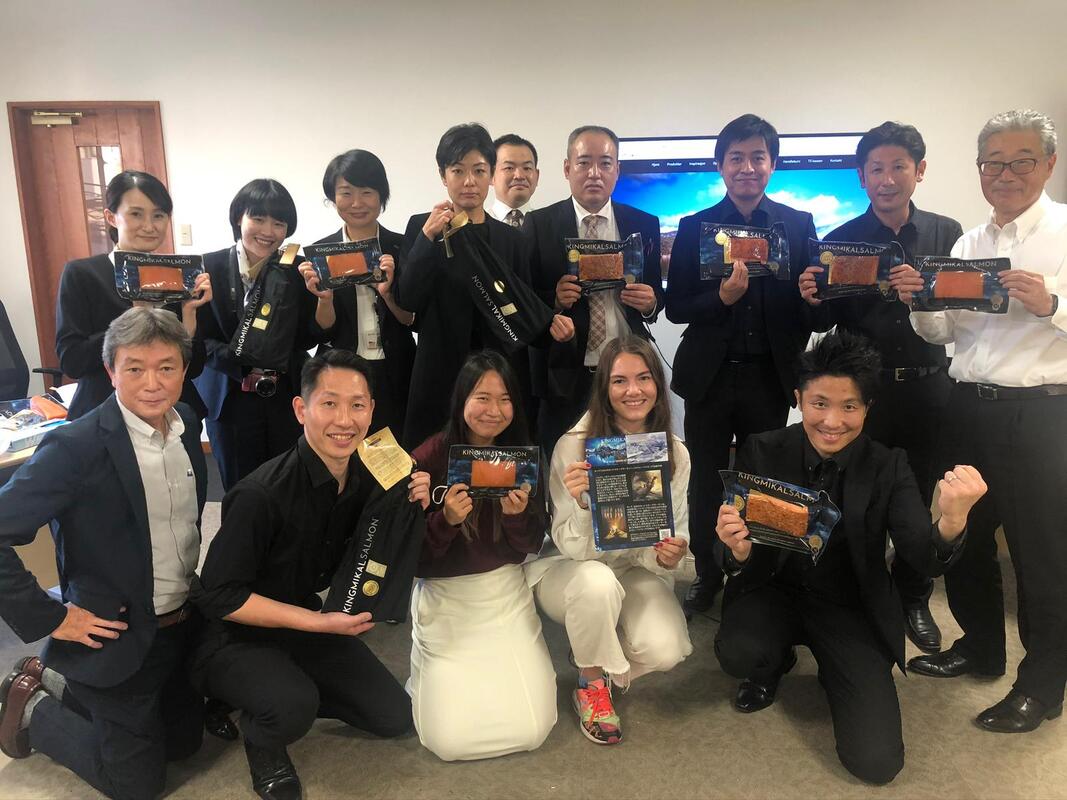
March 2021. On her own initiative, Anna Karia Lerøy Riple remained in Japan for some months after the mobility period in 2020. Despite the pandemic, she was able to initiate her MSc research project (UiT) on the consumption of Norwegian hot smoked salmon and its export and acceptance in Japan. She got great help from Professor Sano’s group at the Kagoshima University and "had the experience of a lifetime". Now she "dreams of going back, maybe for good." |
|


|
Work experiences - measuring heavy metals
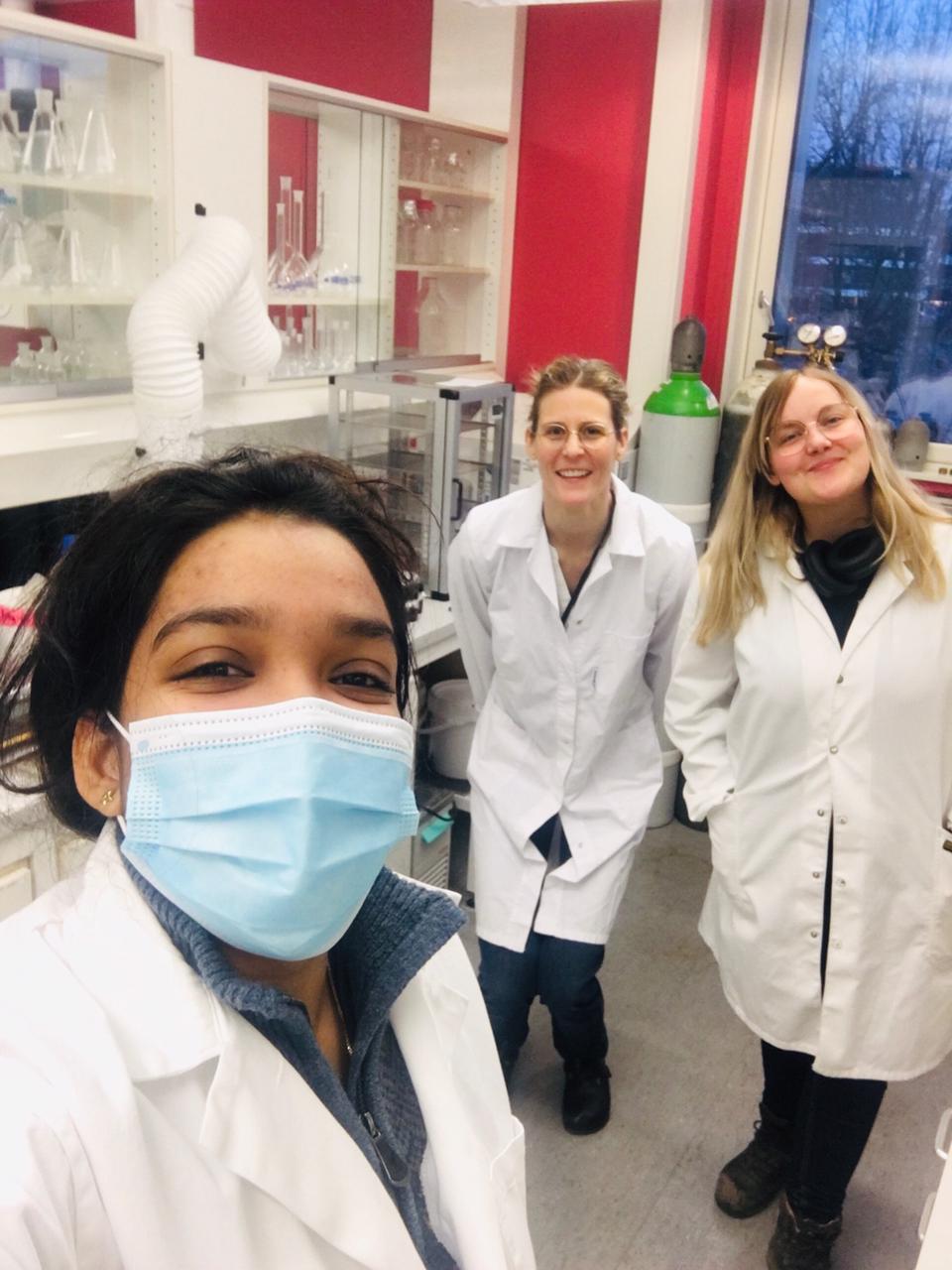
February 2021. Dhanushka (batch 2020) had a great experience in the labs of Akvaplan-niva. Mentored by the scientists Marianne Frantzen and Anita Evenset, and guided by the technician Oda, she had the opportunity to prepare biological samples and utilize a Direct mercury analyzer, always in good spirits. |
|

|
Work experiences - guides at film festival
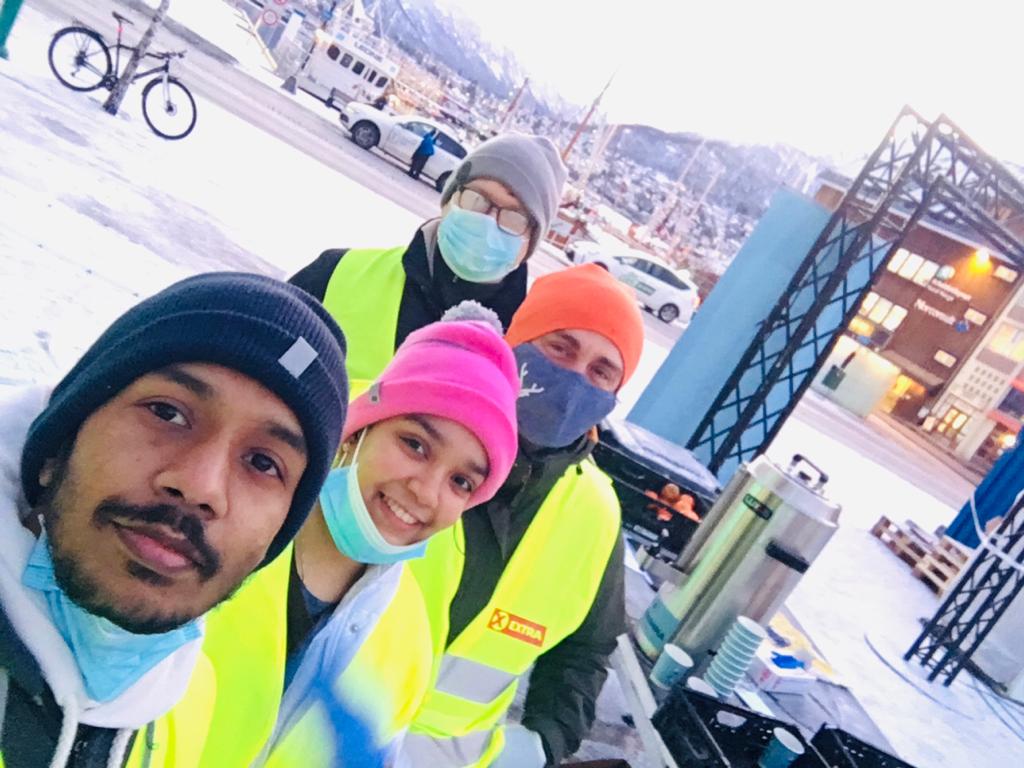
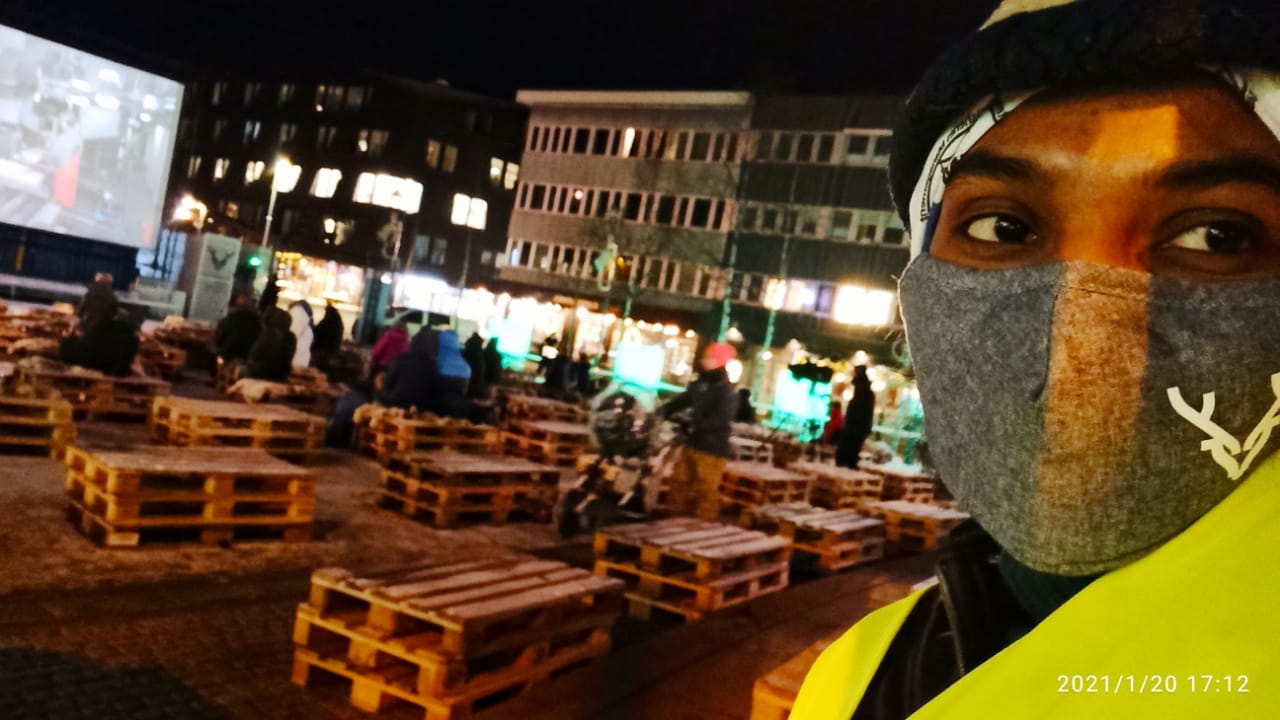
January 2021. Several of our students from batch 2020 served as volunteers at the Tromsø International Film Festival, an opportunity facilitated by the multi-arts talent, Hege Widnes, who also is our colleague at the International Office of UiT. This year, movies were only screened outdoors, a cold and unforgettable experience. Our students helped with the ticketing, seating and welcoming of guests, and describe the event as fabulous. |
|


|
Work experiences - microplastics
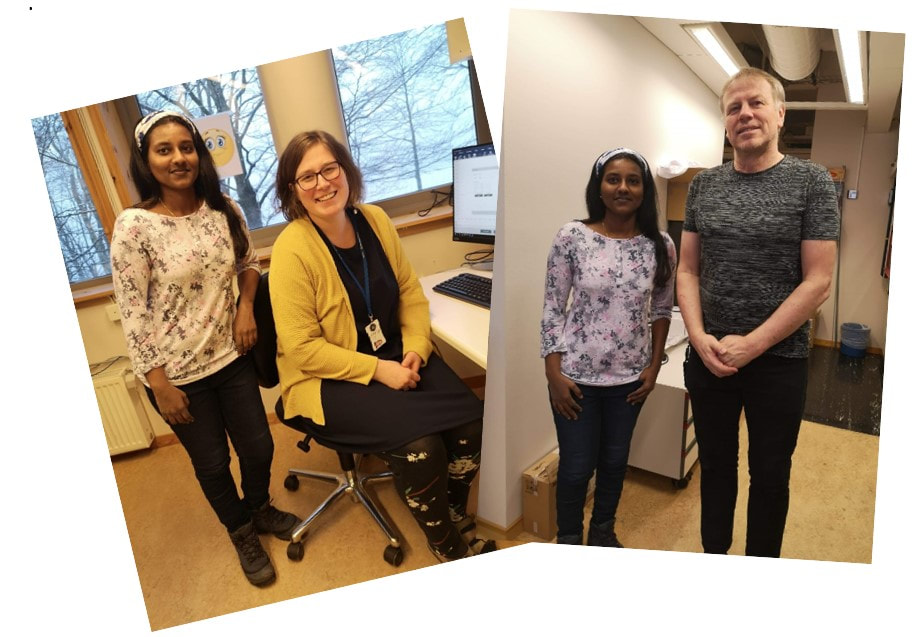
January 2021. Shobiya (batch 2020) analysed polymers in microplastic samples at the Institute of Marine Research. She was duly guided by Bjørn Einar Grøsvik and Agnethe Hertzberg. She had an exciting, hands-on experience with these friendly scientists. |
|
|
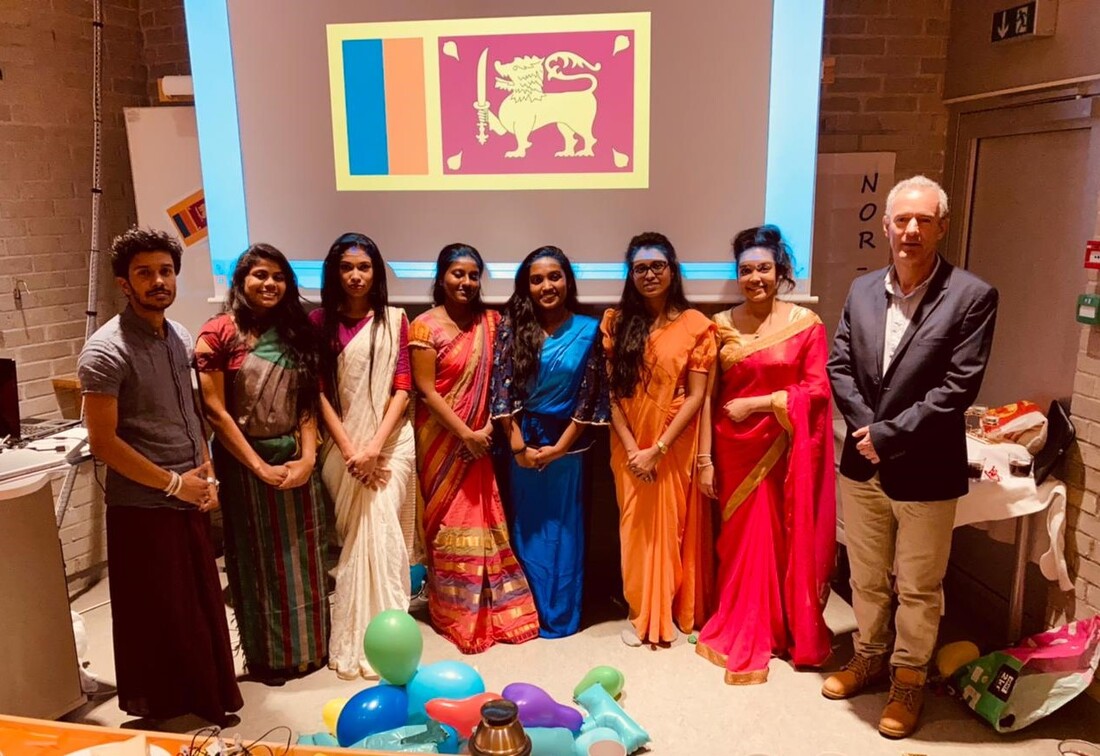
Orange on the snow
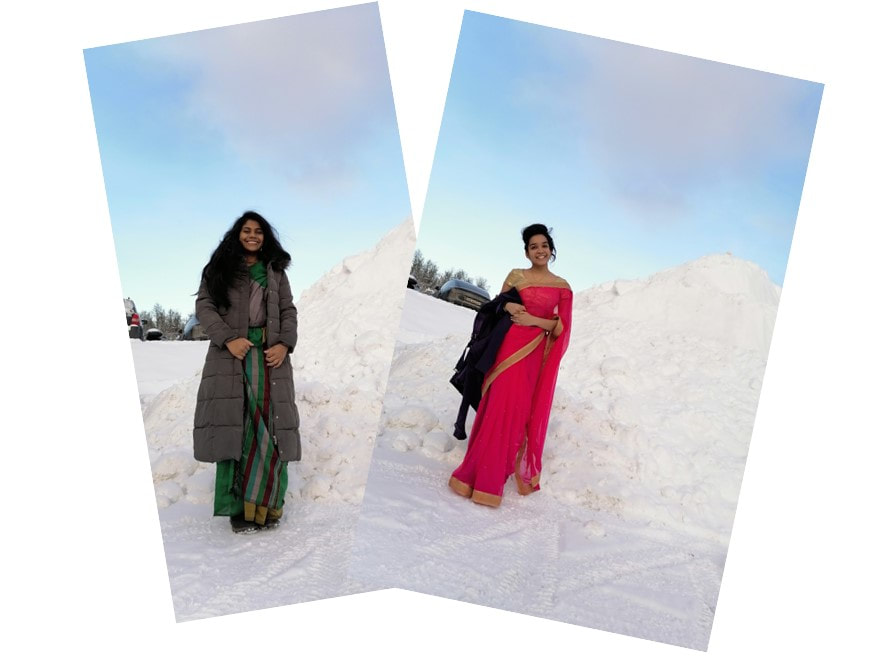
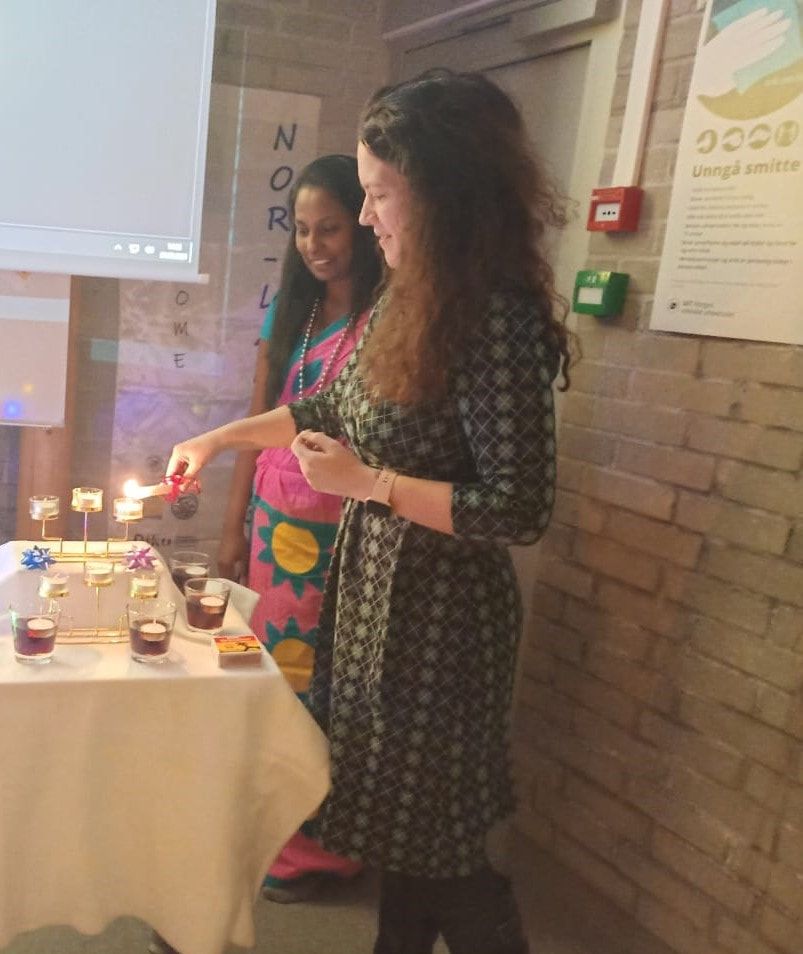
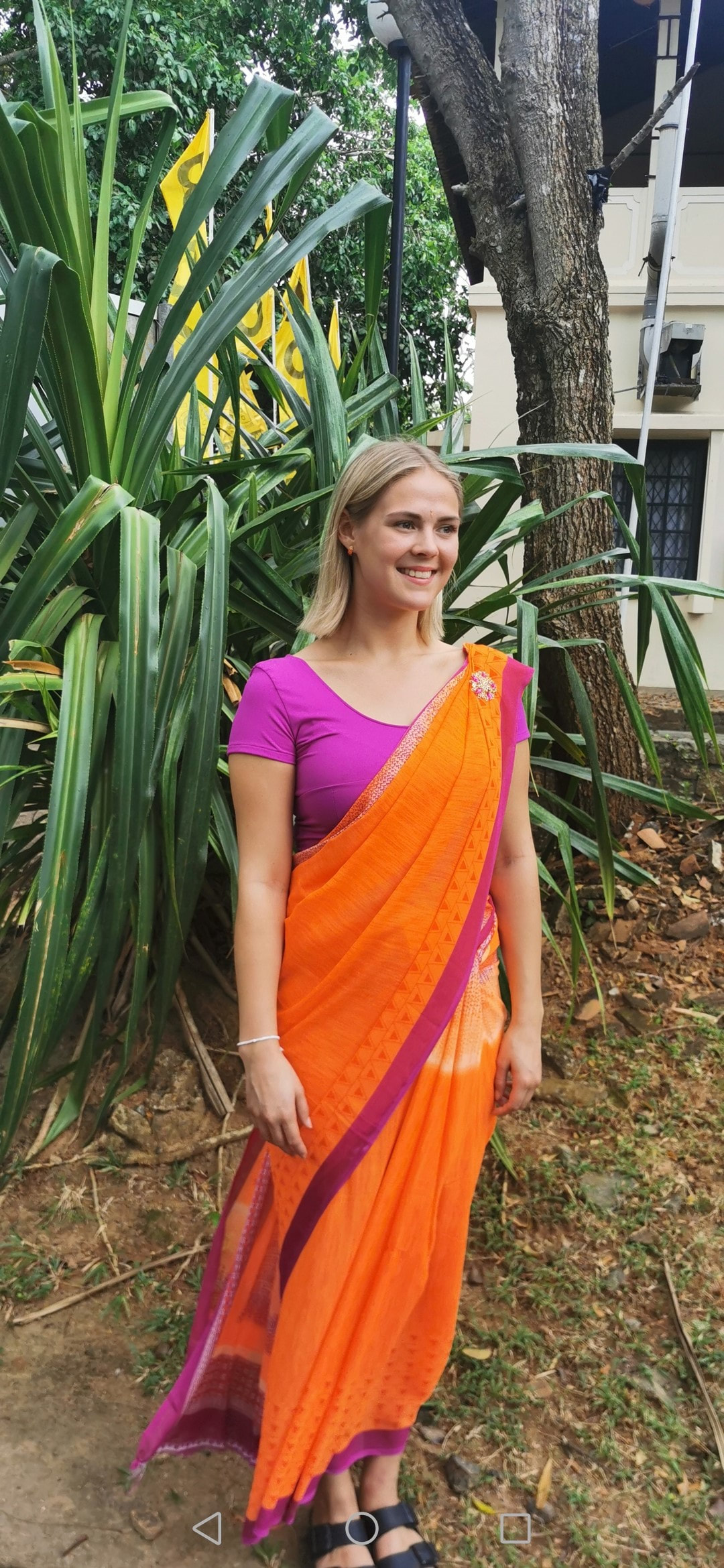
February 4, 2021. National Day of Sri Lanka. Loose notes: colours, sarees on the snow, cold, warmth, candle cerimony, Dean, anthem, tears, longing, Embassador, address, online, distance, balloons, song, cake, dance, croquettes, buns, speech, spice scents, pictures and smiles. On campus, in Tromsø. Thanks Achini and all others for bringing us closer. |
|


|
Interns at work - processing blue crab
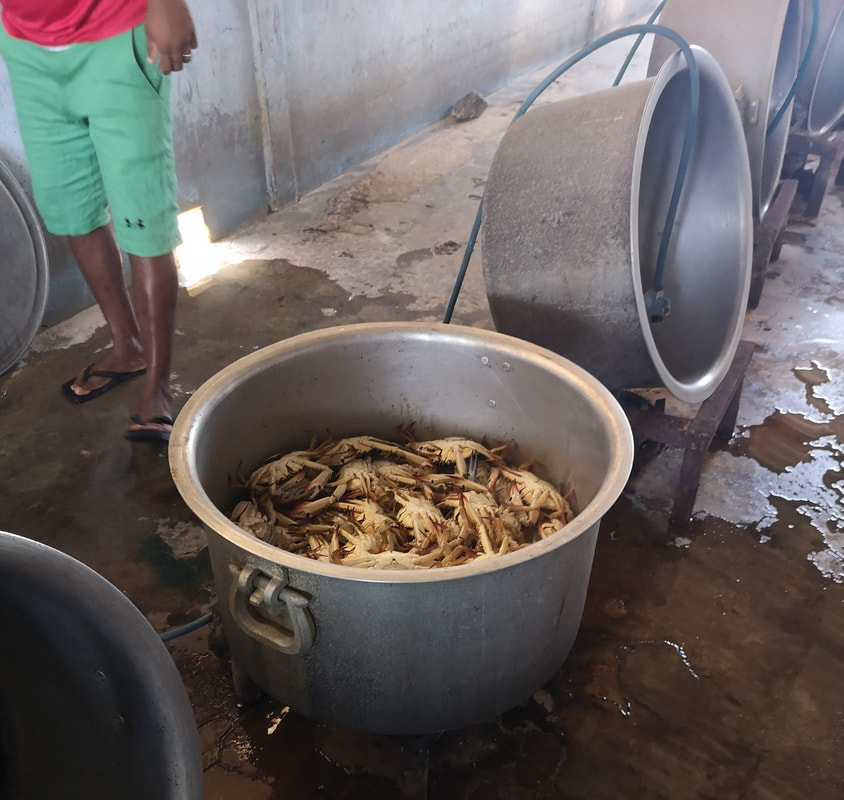
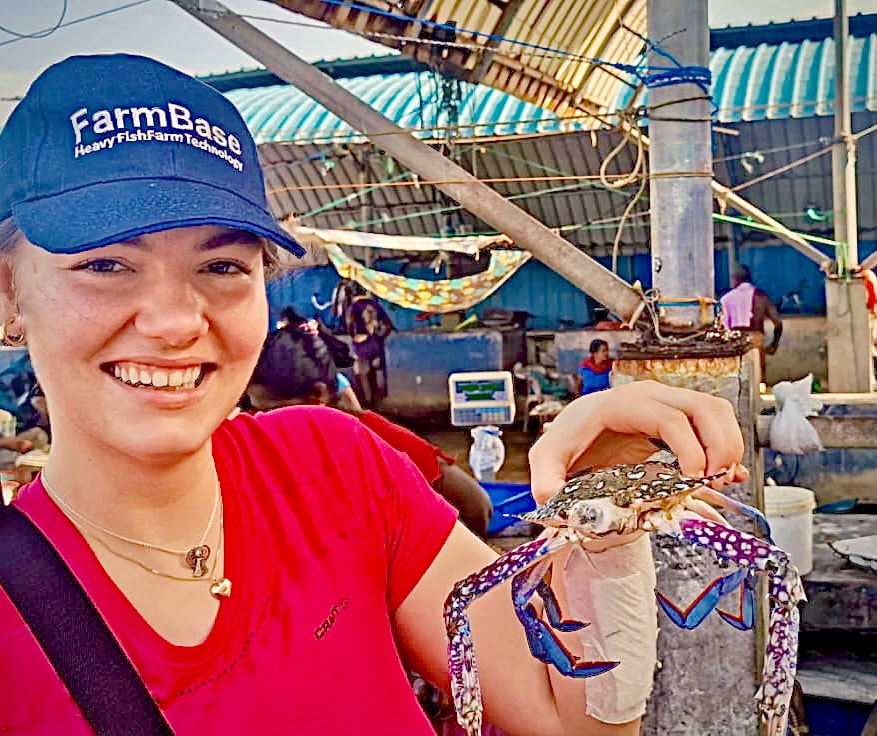
2020. A food science student from The Arctic University of Norway (Tromsø), Signy (2020 mobility cohort) was an intern at Taprobane Seafoods PVT, Sri Lanka. The internship was hands-on and provided work experience from the production line to the top management. Her task was to find ways to improve the quality of the blue swimmer crab from harvest to cooking, at the plant. She visited Taprobane’s landing sites and processing plants i Mannar, wrote a literature review and made recommendations that fitted the organization. |
|

|
Interns at work - production of tropical shrimp
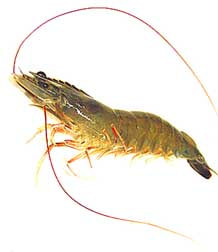
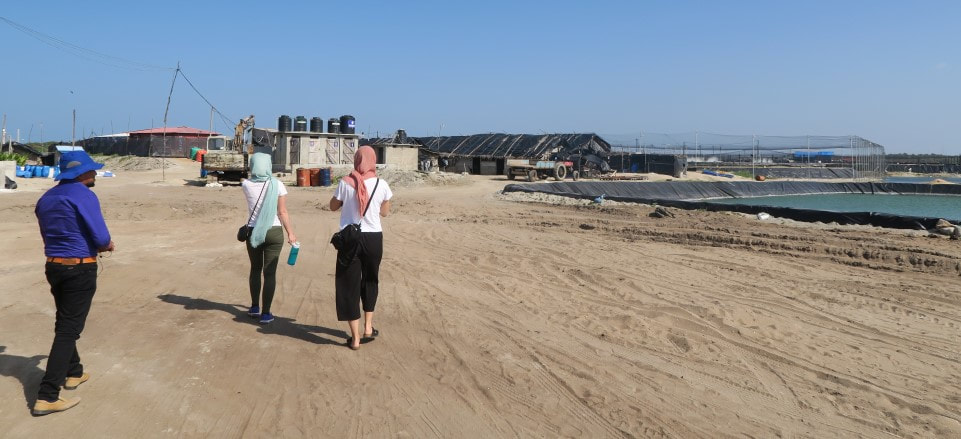
2020. A Marketing and Management student from The Arctic University of Norway (Tromsø), Anna Karia (2020 mobility cohort), performed her internship at Taprobane Seafoods PVT Ltd, in Mannar, Sri Lanka. Apart from the opportunity to work in a production line she was tasked was to analyze the super-intensive, full life-cycle, farming of White leg shrimp (Litopenaeus vannamei). With the help of skilled workers, she got first-hand acquaintance with the production infrastructure, as well as the statistical data. She wrote an «outsiders» view of the operation that is useful for Taprobane. |
|

|
Interns at work -farming shrimp
2020. Rikke (2020 mobility cohort), a seafood science student from The Arctic University of Norway (Tromsø), worked as an intern at Taprobane Seafoods PVT, Sri Lanka. She met many friendly people in the production plants, had a hands-on experience of their working day, and visited Taprobane’s shrimp hatchery. Her main task became to review and report the differences in biology and production cycle of two species of commercial shrimp, L. vannamei and P. monodon. |
|


|
Research stories - the shark fisheries
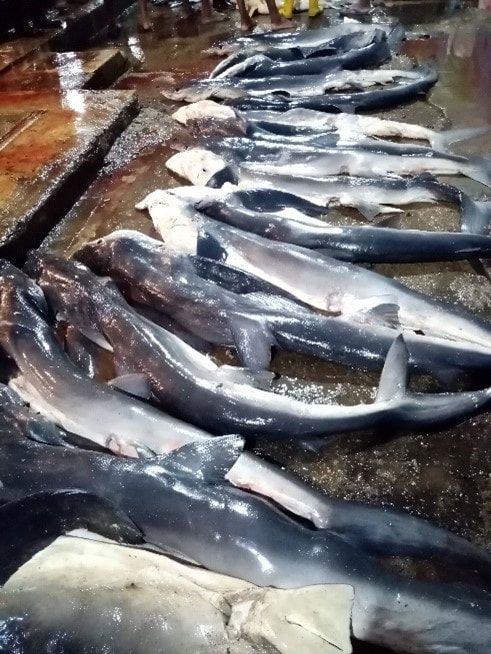
2020. Working at the fisheries research institute NARA in Colombo, Thejani (2019 master's cohort), studies the biology of Blue sharks. These animals are frequently captured and are fully utilized for different purposes in Sri Lanka, but there is a dearth of information on their ecology and status. She regularly visits landing harbours in the east, south and western coasts, where she collects fishery data, makes biological measurements and takes samples for genetic analysis. |
|

|
Research stories - nutrition of seabass
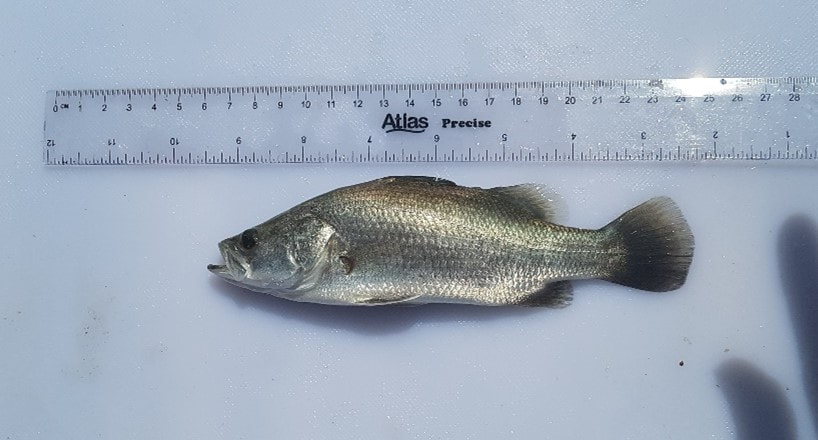
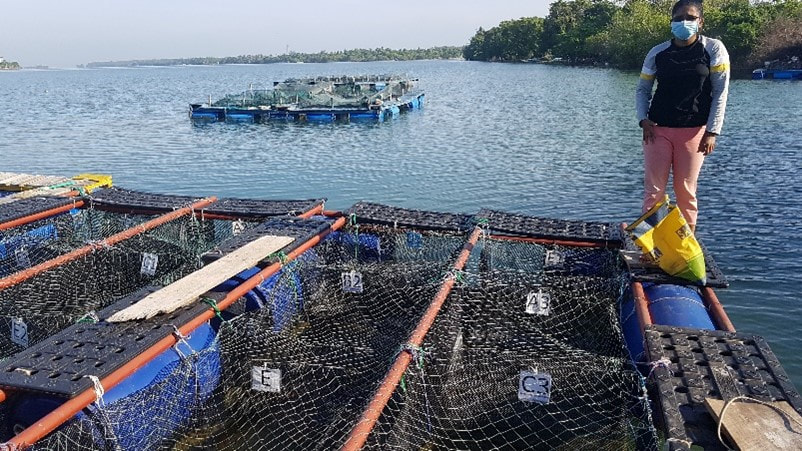
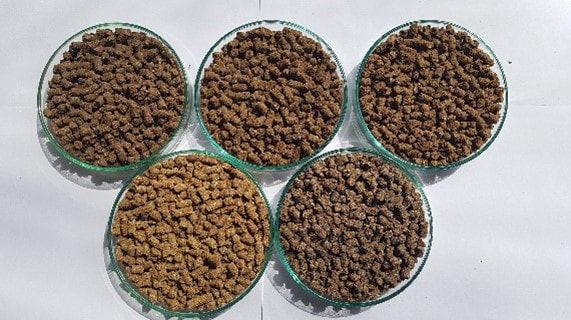
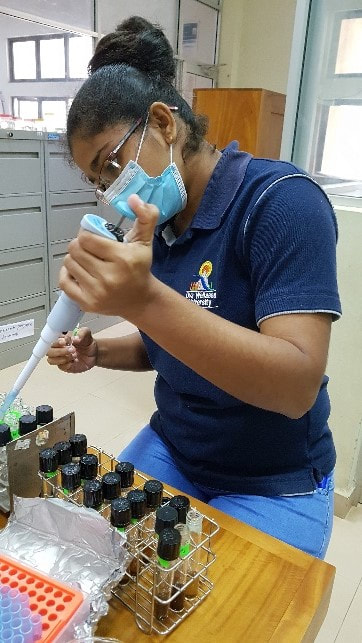
2020. Working at the University of Ruhuna, Kushani (2019 master's cohort), uses offal from the processing industry to test nutritionally balanced, cost effective feed formulations. The objective is the enhancement of survival, growth and fillet quality of Asian sea bass. She conducts the field trials at the NAQDA research station in Batticaloa, and performs the micro and macro analyses in the labs, in Tromsø and Matara. |
|
|
Research stories - water quality in aquarium fish
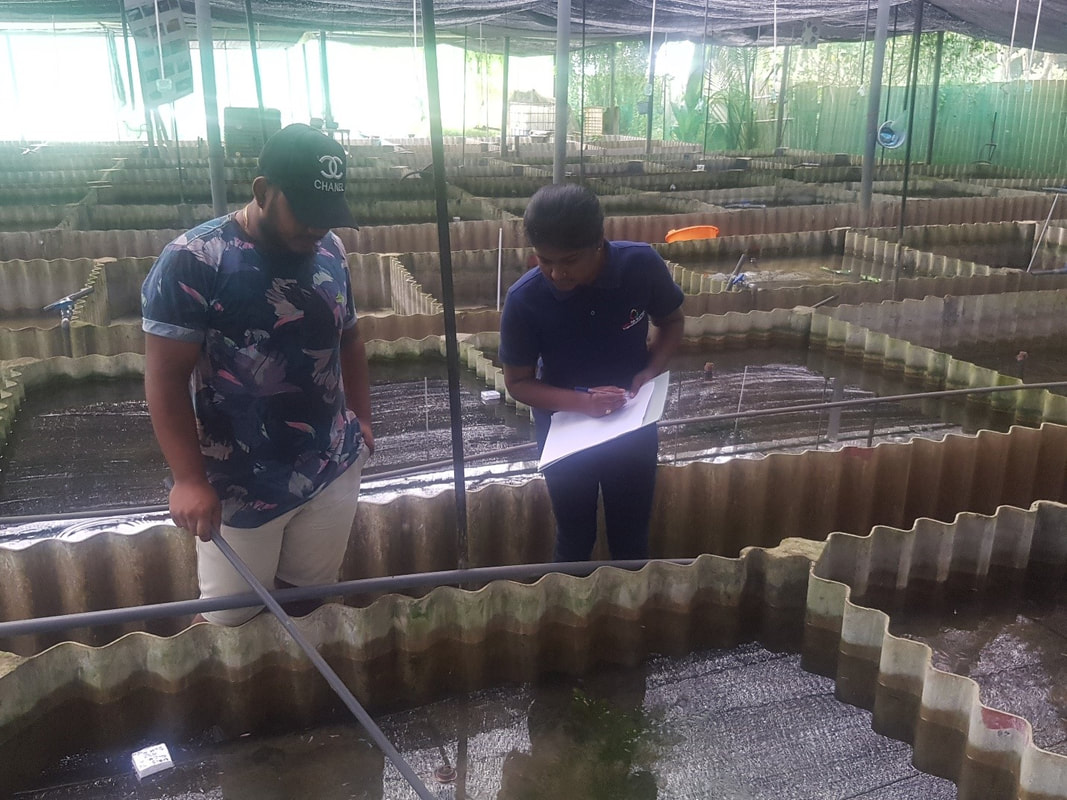
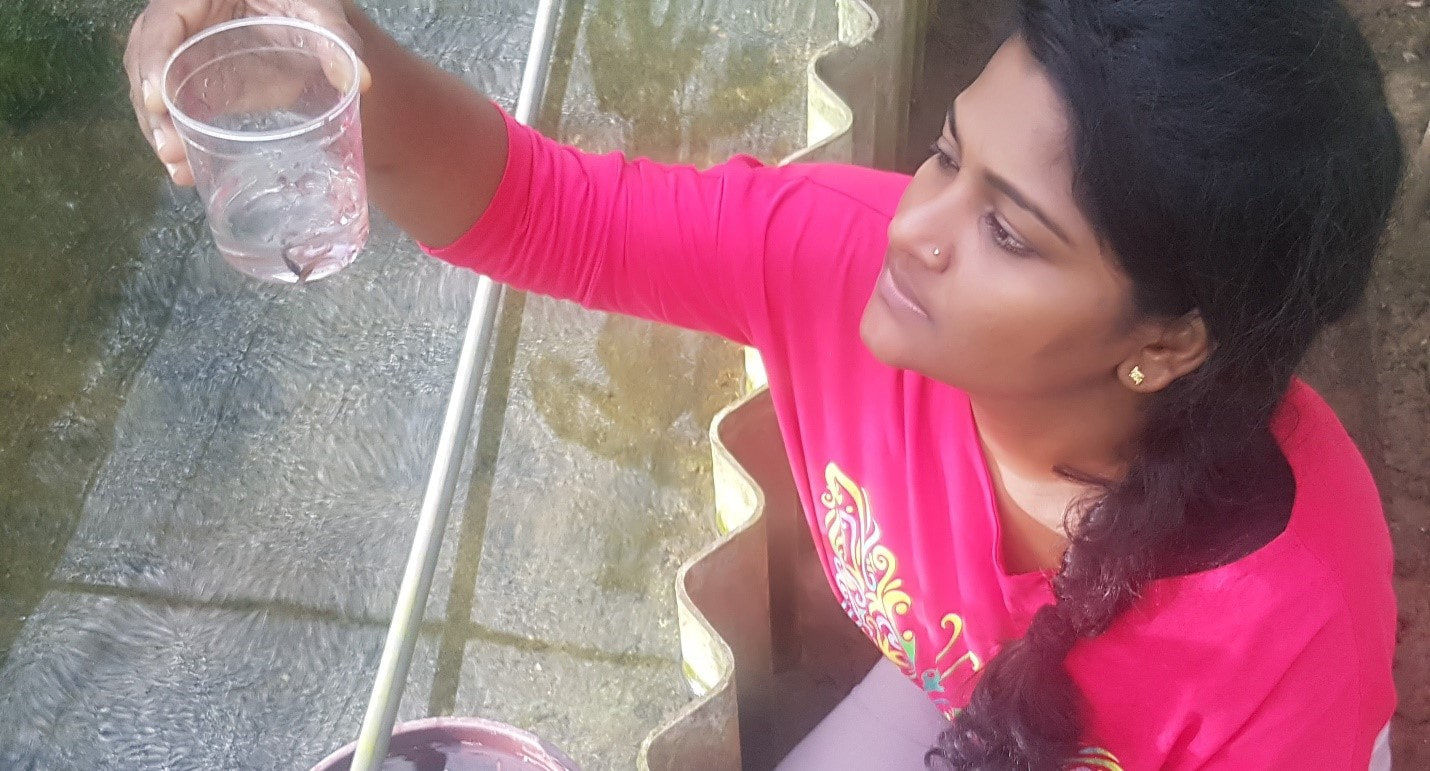
2020. Working at the University of Jaffna, Gowsala (2019 master's cohort), evaluates the health status of the stocks in intensive fish farms. Culture of ornamental fish is a large industry in Sri Lanka, the pioneer country, since 1930s. She measures the water quality parameters, observes fish behavior and management methods, and takes samples of fish for parasite identification in the lab. |
|
|
Research stories - the demand for traditional fish
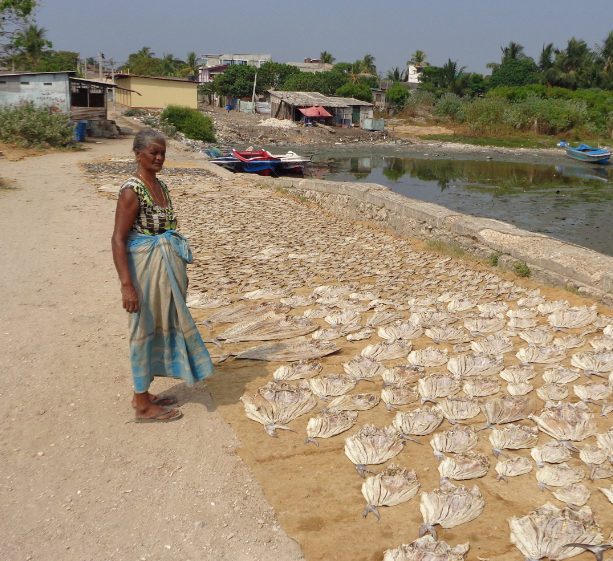
2020. Working at Ruhuna University, Udani (2019 master's cohort), analyses consumer preferences towards different types of dry fish. Despite the large demand, domestic dry fish fetches lower prices than imported fish. She conducts household surveys, evaluates the knowledge of the consumers on the products and conducts choice experiments. |
|

|
Research stories- the health of shrimp
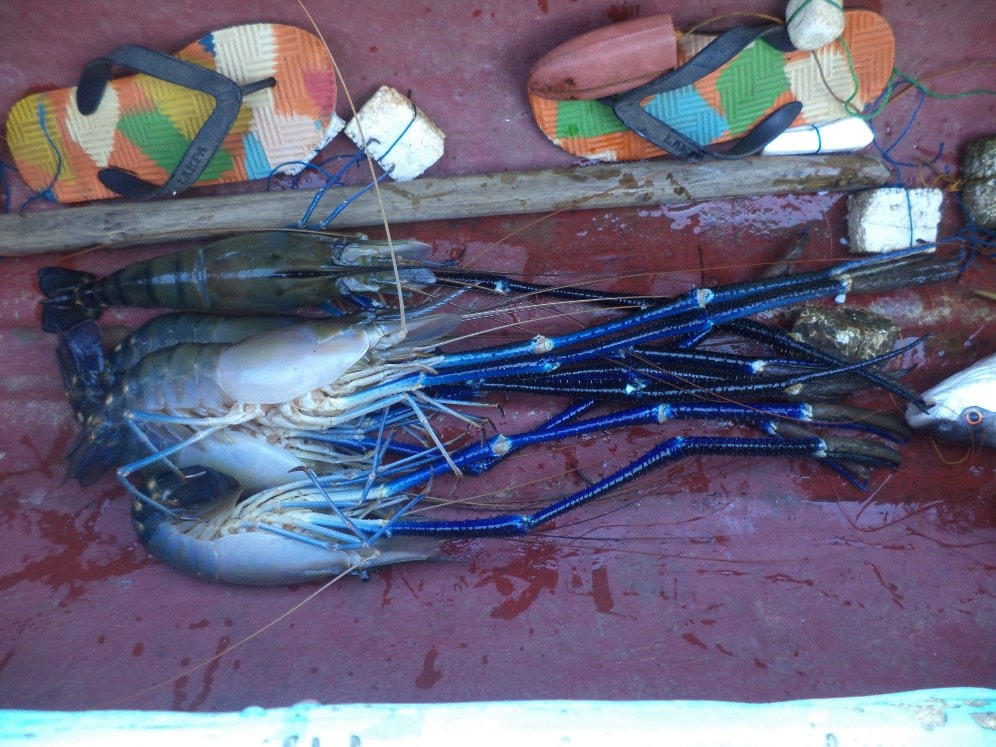
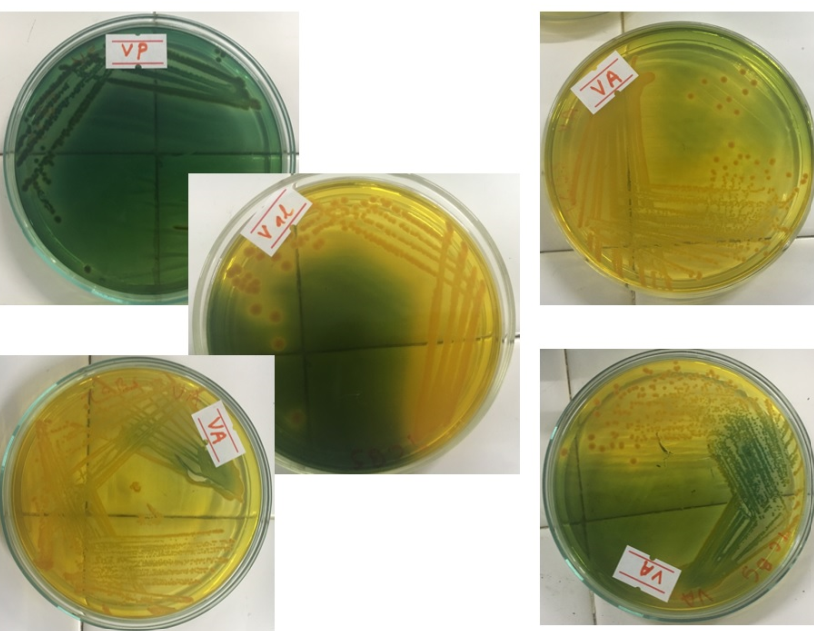
2020. Working at the University of Ruhuna, Yogya (2019 master's cohort), is characterizing the Vibrio sp. profiles found in the prawn Macrobrachium. These pathogenic bacteria have an negative impact on the aquaculture of the prawn. She collects the prawns in 11 reservoirs of southern Sri Lanka, takes biological samples and identifies the isolated bacteria at molecular level. |
|

Research stories - Utilization of fish bycatch
2020. Working at the University of Jaffna, Saruga, one of the exchange students in the 2019 master's cohort, is studying new ways to utilize fish discards from the trawl fishery. She surveys the fish bycatch in Kurunagar, analyzes it in the chemistry lab and formulates value added animal feed.
2020. Working at the University of Jaffna, Saruga, one of the exchange students in the 2019 master's cohort, is studying new ways to utilize fish discards from the trawl fishery. She surveys the fish bycatch in Kurunagar, analyzes it in the chemistry lab and formulates value added animal feed.
|
A coastal carol
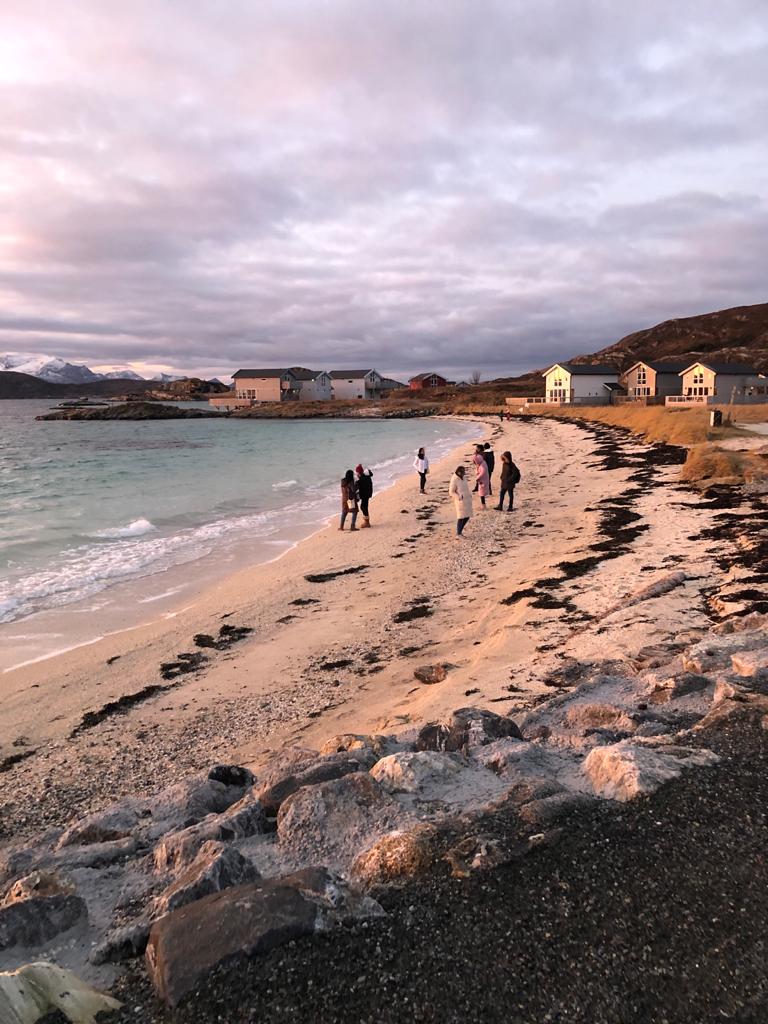
December 2020. Well in to the Arctic Christmas, the students had a unique opportunity to visit the community of Sommarøya, the outer island, where time does not tick. Led by Kathrine, Nils Christian and Maria from our Faculty, they paid visit to the seasoned fisher Johnny, who told them about fishing and dry fish, and to the traditional knitter Tordis, who offered all of them warm Norwegian mittens. The rest of the day went to prepare and enjoy Norwegian food, put up a show of Sri Lankan dances, and not the least, to learn and sing Santa Lucia carols by the candle light. Not bad, singing in Norwegian two months after their arrival! |
|



|
The 2020 batch arrived in Tromsø
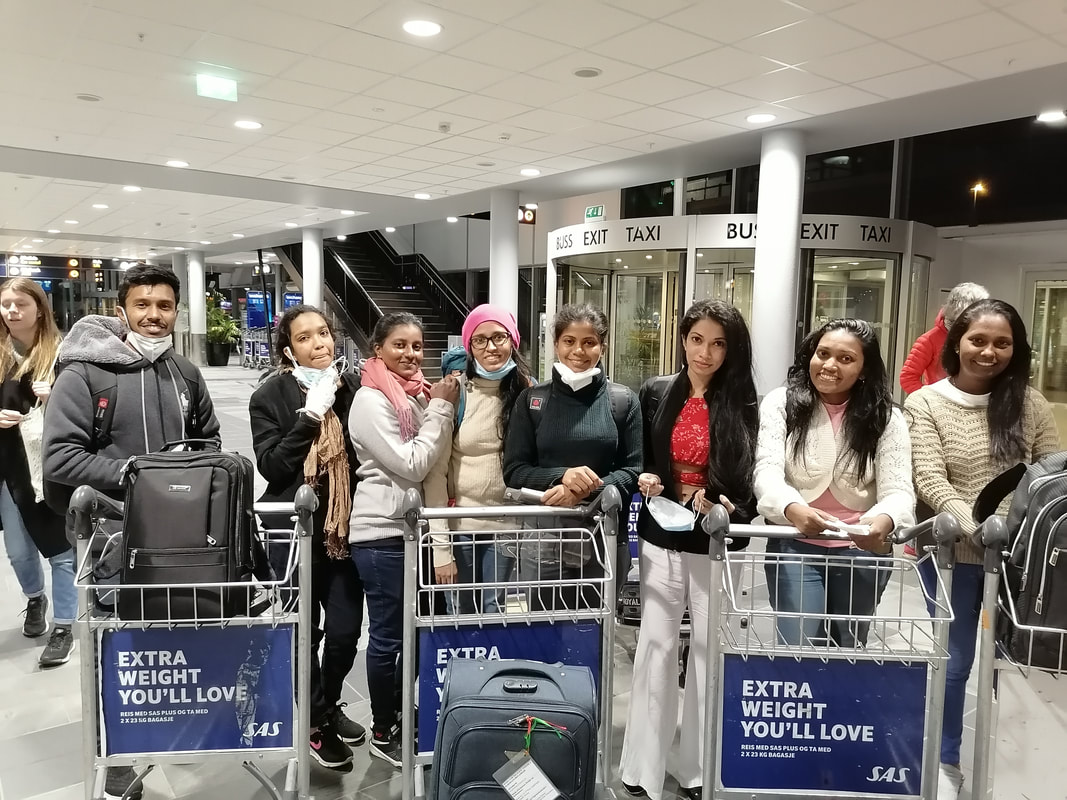
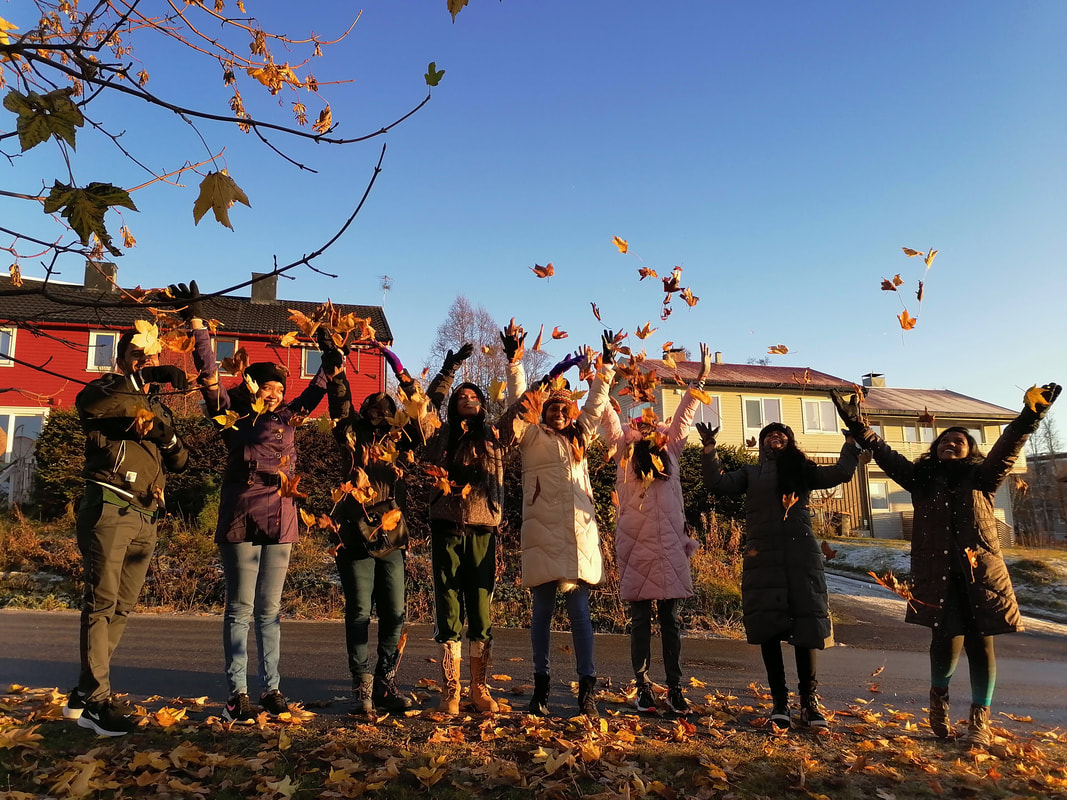
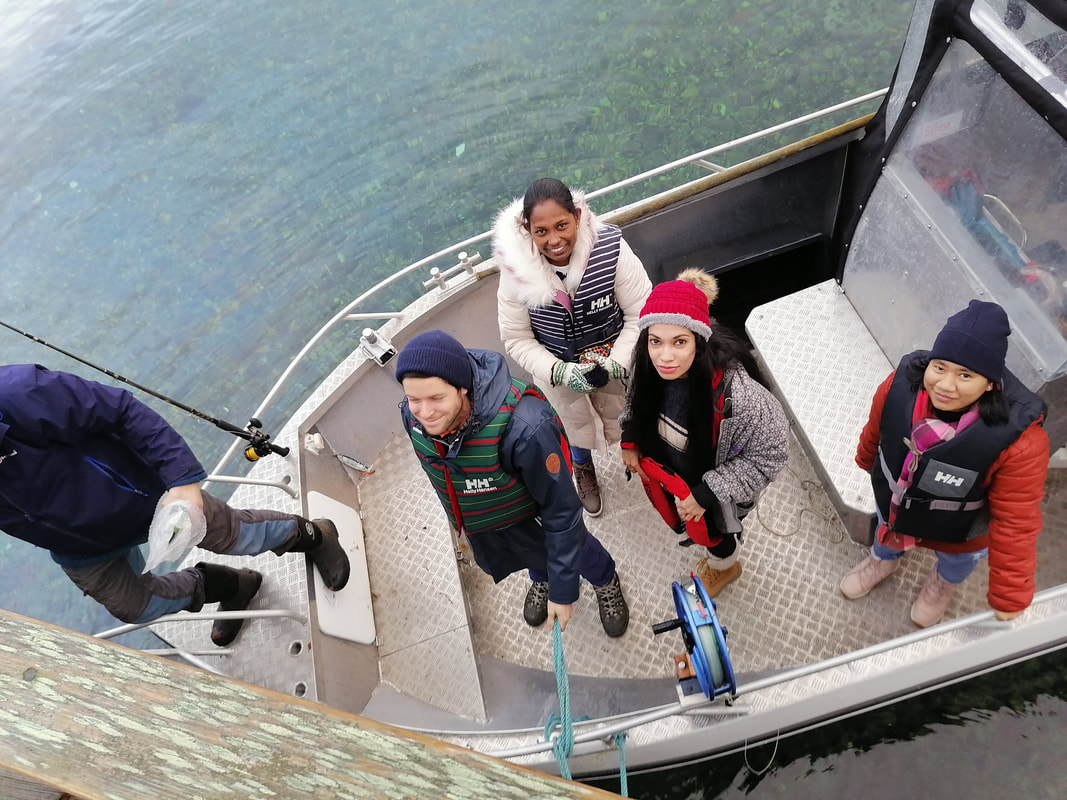
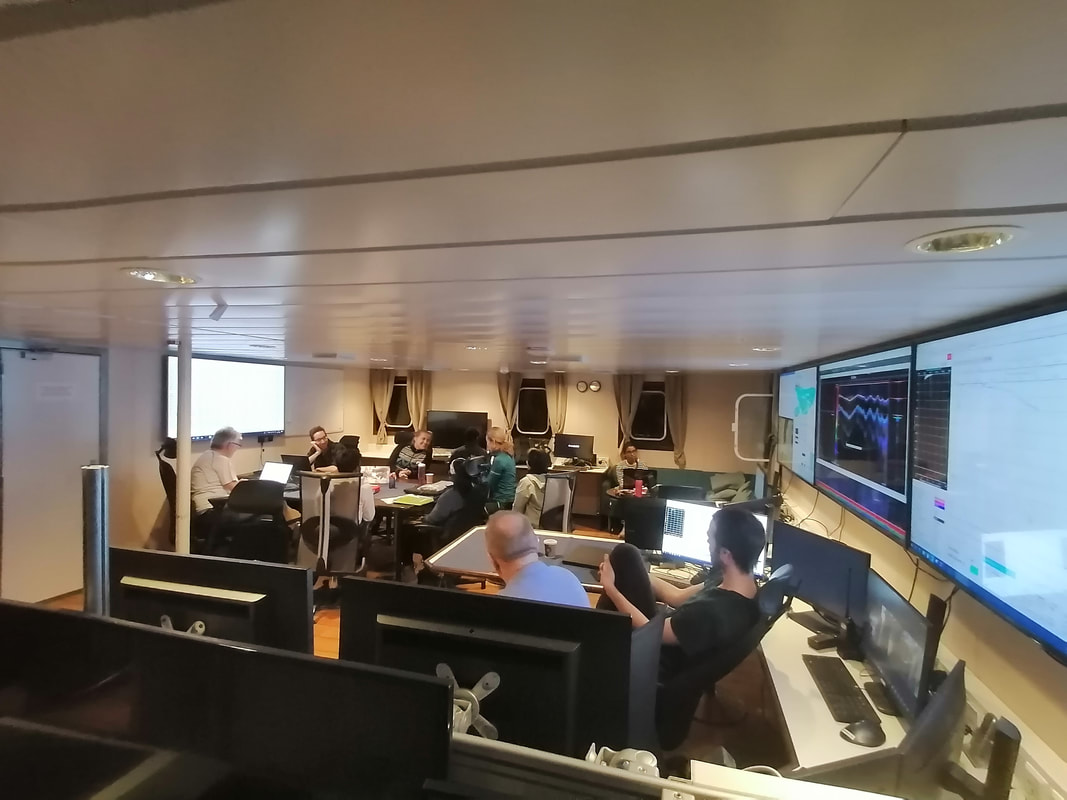
October 2020. After long weeks and months of waiting, eight Sri Lankan M.Phil. students landed safely in Tromsø. After the due quarantine at the student hostel, they quickly joined their fellow students in an excursion, fishing tour, cruise and classes. Arriving late in the season, they immediately met the beauty and cold of Autumn. But, they have adapted extremely fast to the Arctic and the different customs of Tromsø. Now, they have five months in front of them to meet deadlines, Christmas season and the northern lights. |
|
|
Exploring Japan - for the daring
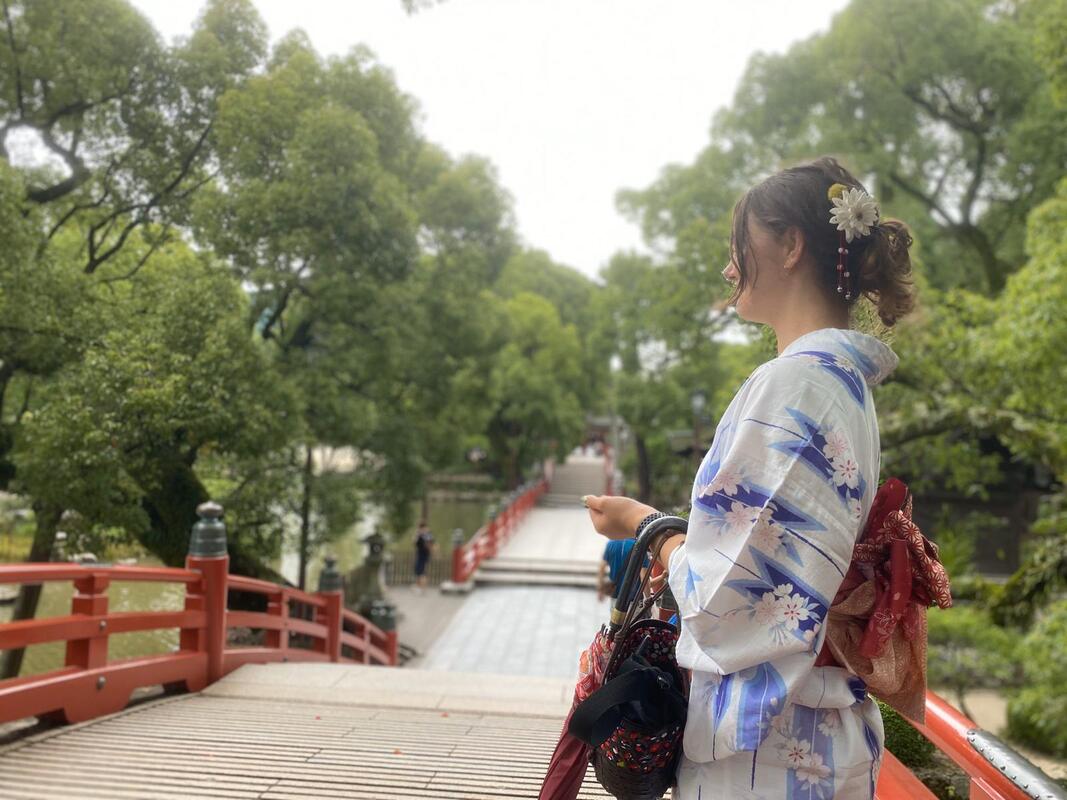
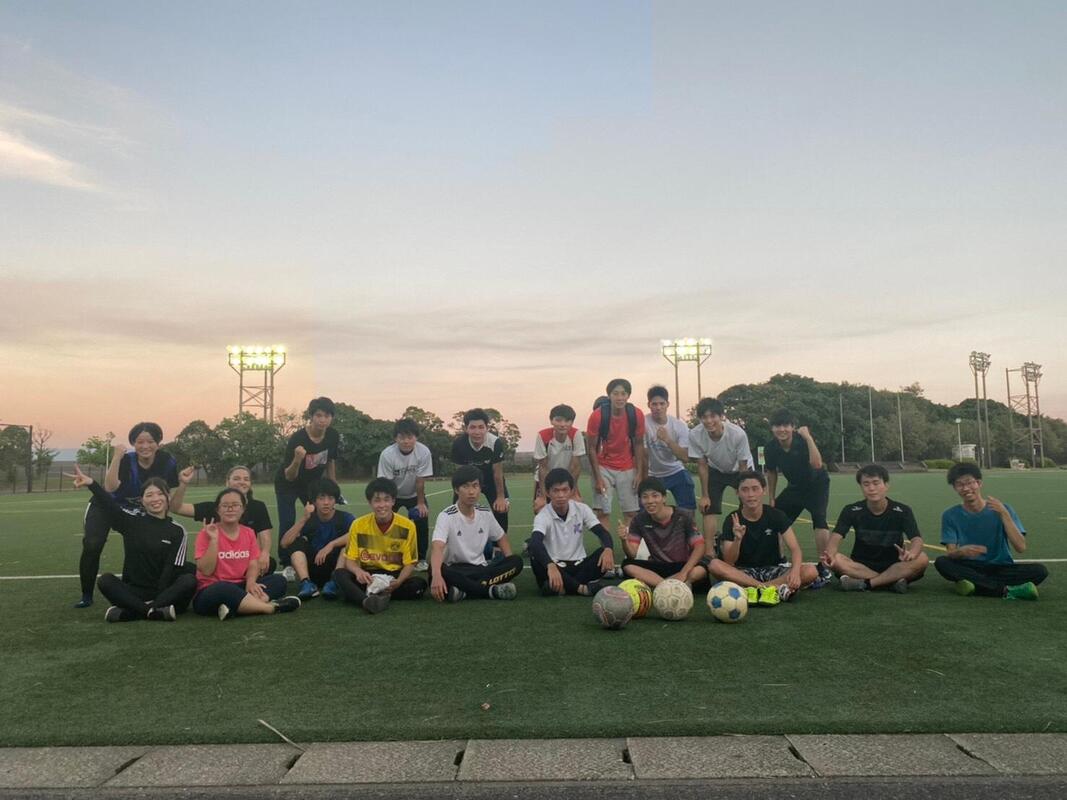
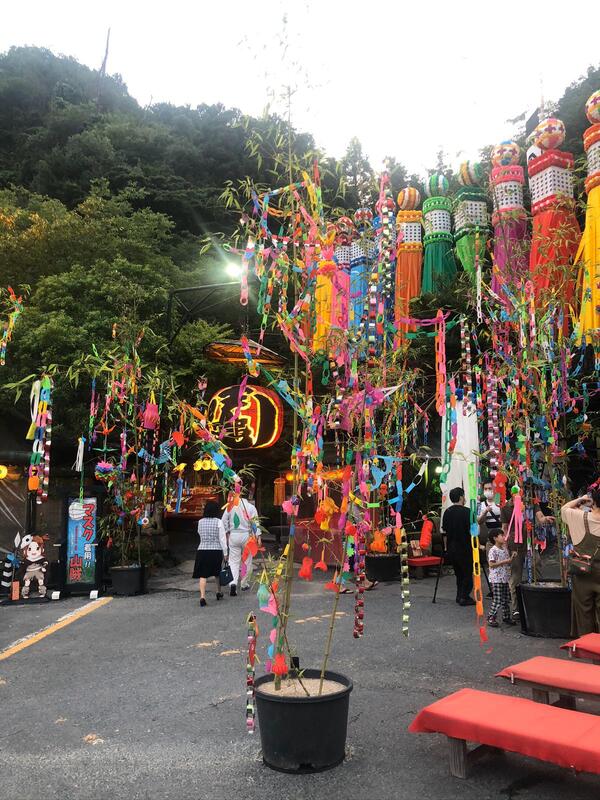
April-September 2020. Moving from Sri Lanka to Japan in the eye of the corona storm brought the Norwegian students far more excitement than originally hoped for. A delayed semester start gave Anna the unique opportunity to explore the Kagoshima prefecture on her own in the first months. She highlights the nature, the people and the adventures of a single traveler. The close knitted research group of Professor Sano gave her much support and good advice along this semester. Anna has now extended her stay at the Kagoshima University to perform part of her graduation project. This was not in the original plan, and one can just praise the Japanese hospitality and her determination. |
|

|
Blue sciences in corona times
March 2020. At NorLanka Blue we want to contribute to the solution of the corona problem rather than making it bigger. For the time being (late March), the short-term and medium-term future and activities of the project are not so clear. This includes the student mobility in August 2020. However, we have received the encouraging news from our sponsor, DIKU, that the undisbursed funds could be utilized at a later stage. The Project Steering Committee is now busy reporting to DIKU the possible delays, and developing new strategies for 2021. We wish that all our partners overcome this period with the best possible health and least concern for their families. Much can be done from the home offices, but we recommend some live contact through video conferences between our researchers and students. |
|
Workshop 2. Blue Economy
January 2020. Our second camp was organized by NARA at the beautiful research station of Lake Kalawewa. The quality of the participation exceeded the plans. In addition to Sri Lankan and Norwegian students we had a good number of lecturers, administration staff and even leaders from both countries actively involved in teaching. The organization was led with success by Dr. Lalith Amaralal. Read more about it in workshop2.
January 2020. Our second camp was organized by NARA at the beautiful research station of Lake Kalawewa. The quality of the participation exceeded the plans. In addition to Sri Lankan and Norwegian students we had a good number of lecturers, administration staff and even leaders from both countries actively involved in teaching. The organization was led with success by Dr. Lalith Amaralal. Read more about it in workshop2.
|
Norwegians arrive in Asia
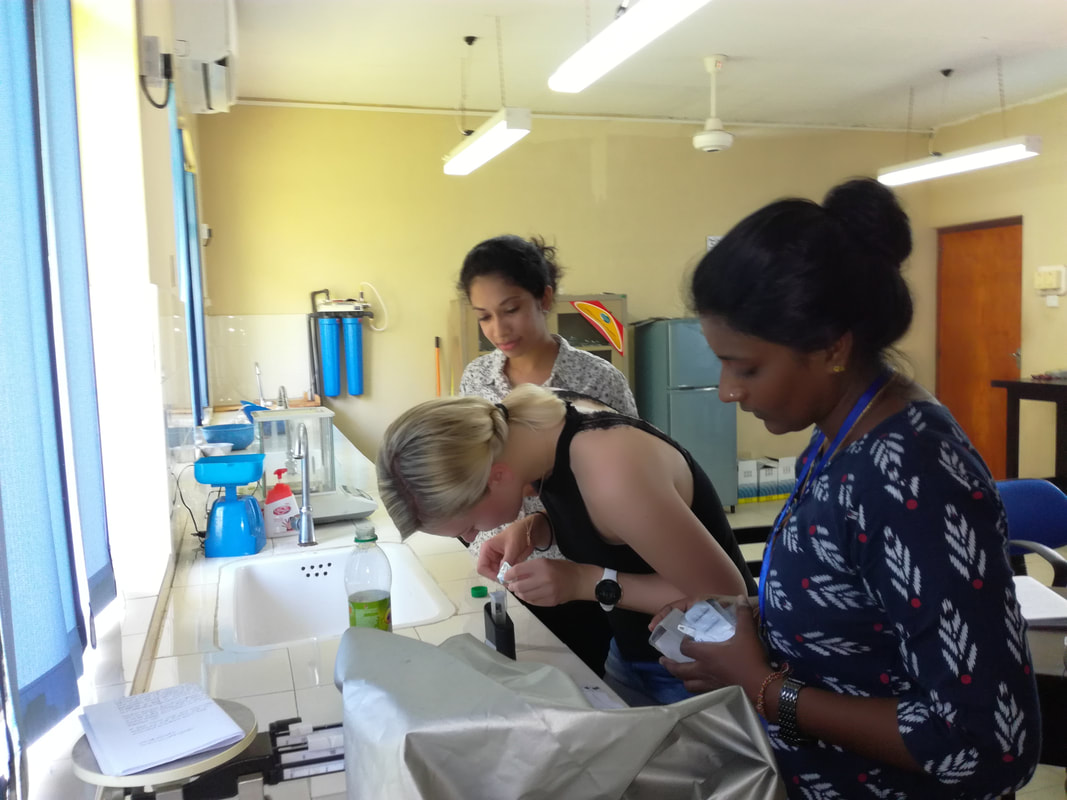
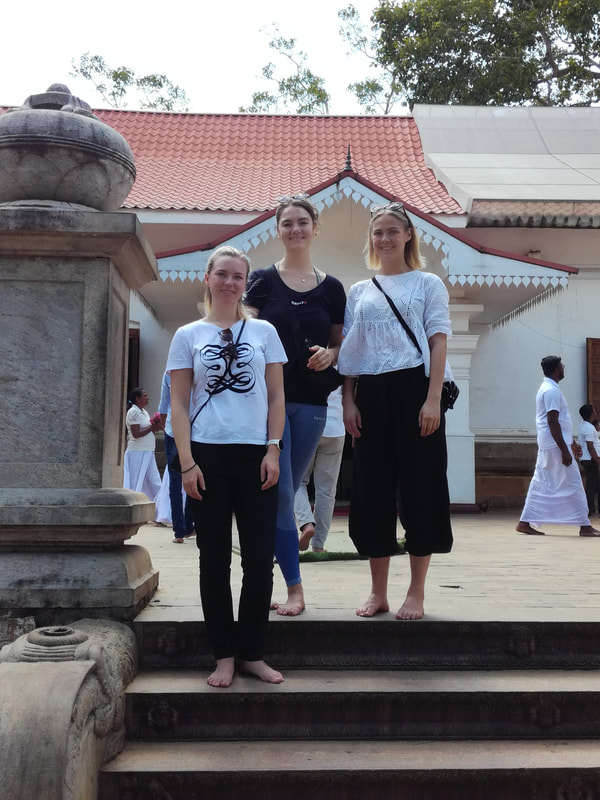
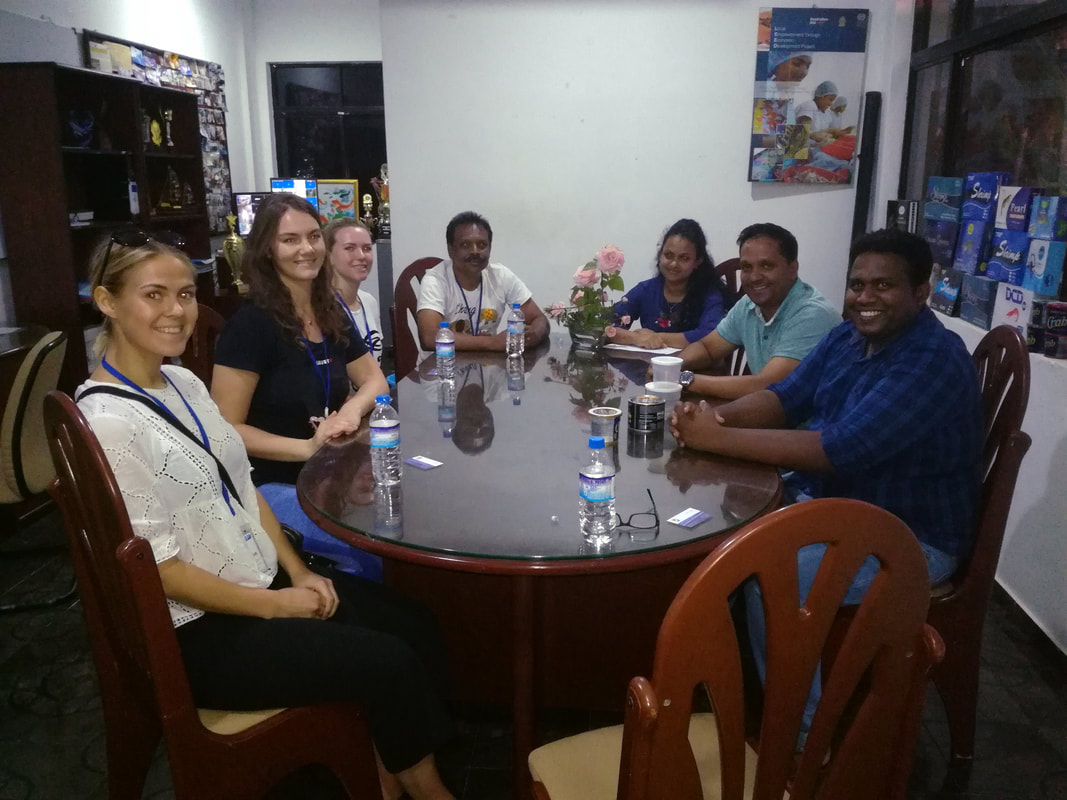
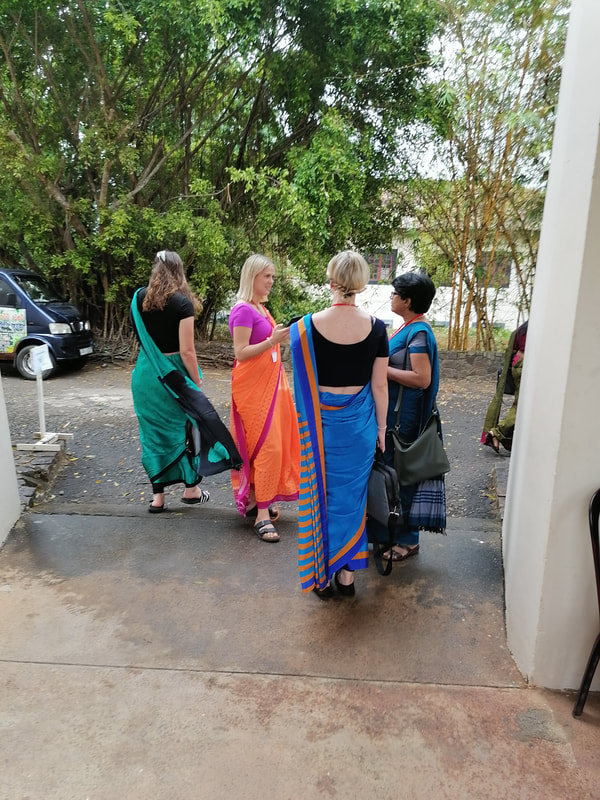
January 2020. The first batch of Norwegian students in the Asia Explorer program has arrived in Sri Lanka. All three students attend the Fisheries and Aquaculture MSc program of the Faculty of Biosciences, Fisheries and Economics in Tromsø. Their first task was to participate in the 2nd workshop of the NorLanka Blue project. This was an excellent occasion to form a network of colleagues in the whole of Sri Lanka. The second part of the two month-long stay includes an internship in one of the largest fish producers in Sri Lanka, Taprobane Seafoods Limited. The students will perform research on topics of mutual interest within business management, marketing and aquaculture production. |
|
|
Staff mobility: the first delegation from Sri Lanka arrives in Tromsø
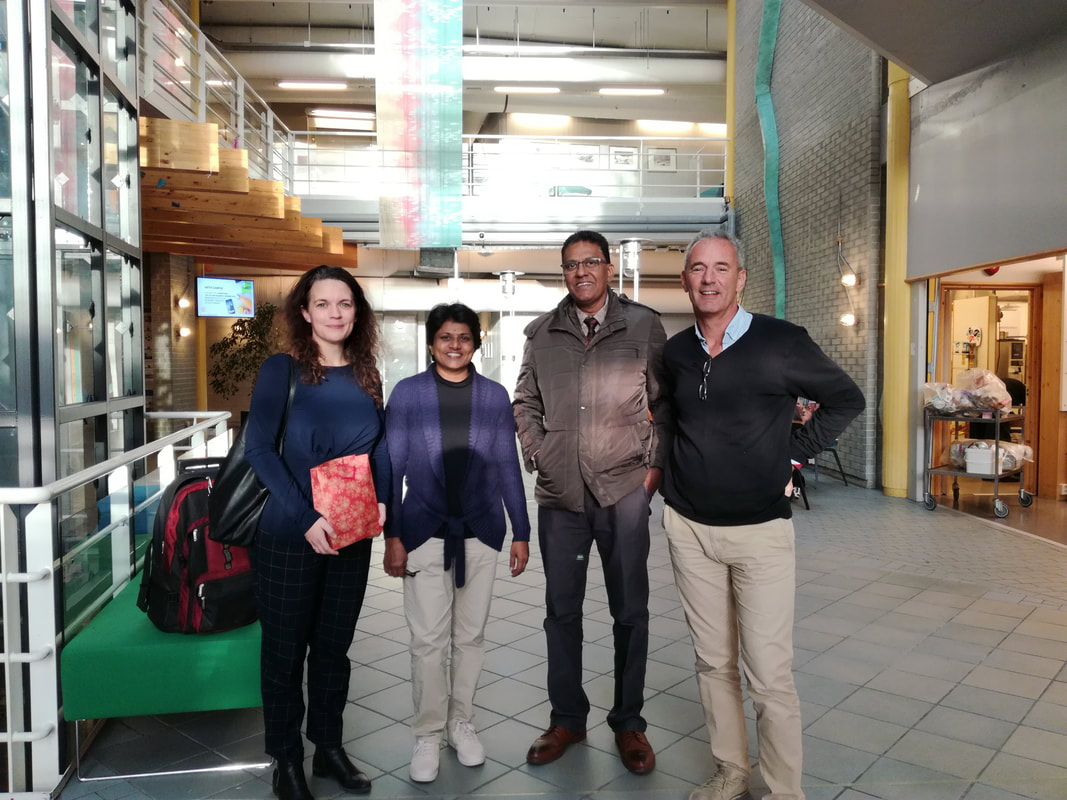
Tromsø, October 11, 2019. Professor Suneetha Gunawickrama, country lead of the project, and Professor Wasantha Kumara, Director of the Centre of International Affairs in Ruhuna are guesting the Faculty of Biosciences, Fisheries and Economics. In the first day they had the occasion to greet many of the administrative staff and the Dean Dr. Kathrine Tveiterås. In the coming week they will have a tight schedule of work meetings, training sessions, seminars, lectures, supervision of mobility students, visits to other Faculties, the International Department, the Institute of Marine Research and NOFIMA. They will also gather with the Sri Lankan community in Tromsø. |
|

|
Landing with a splash!
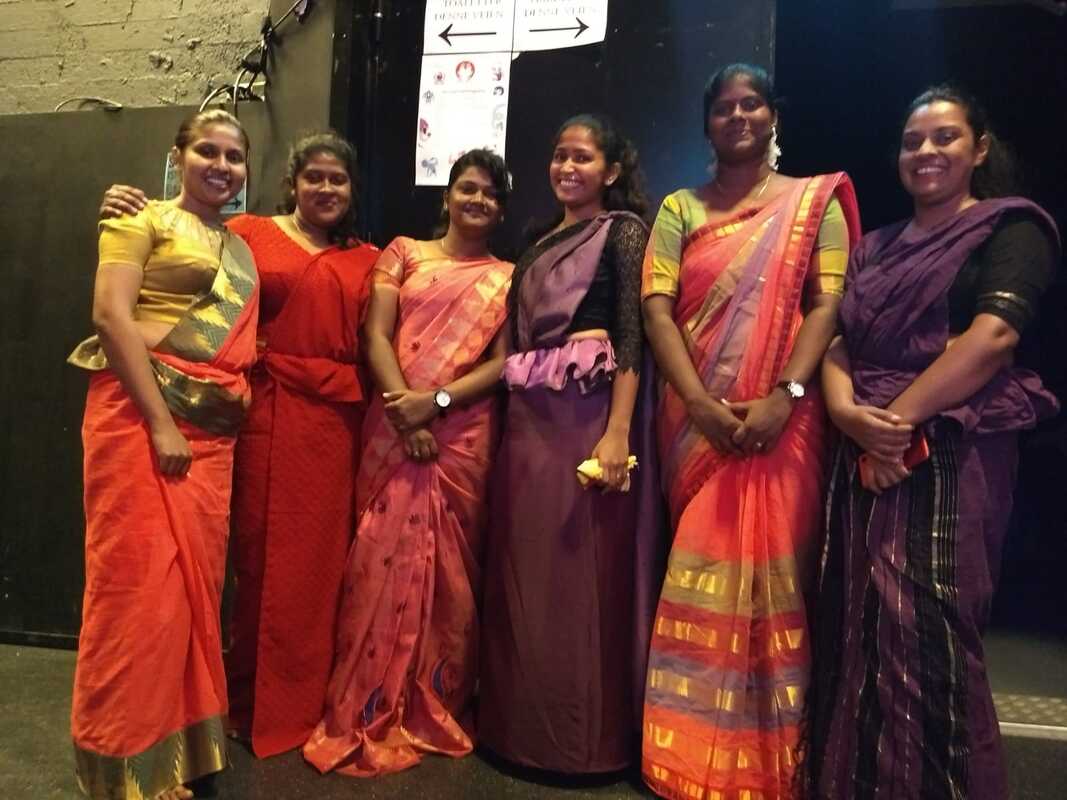
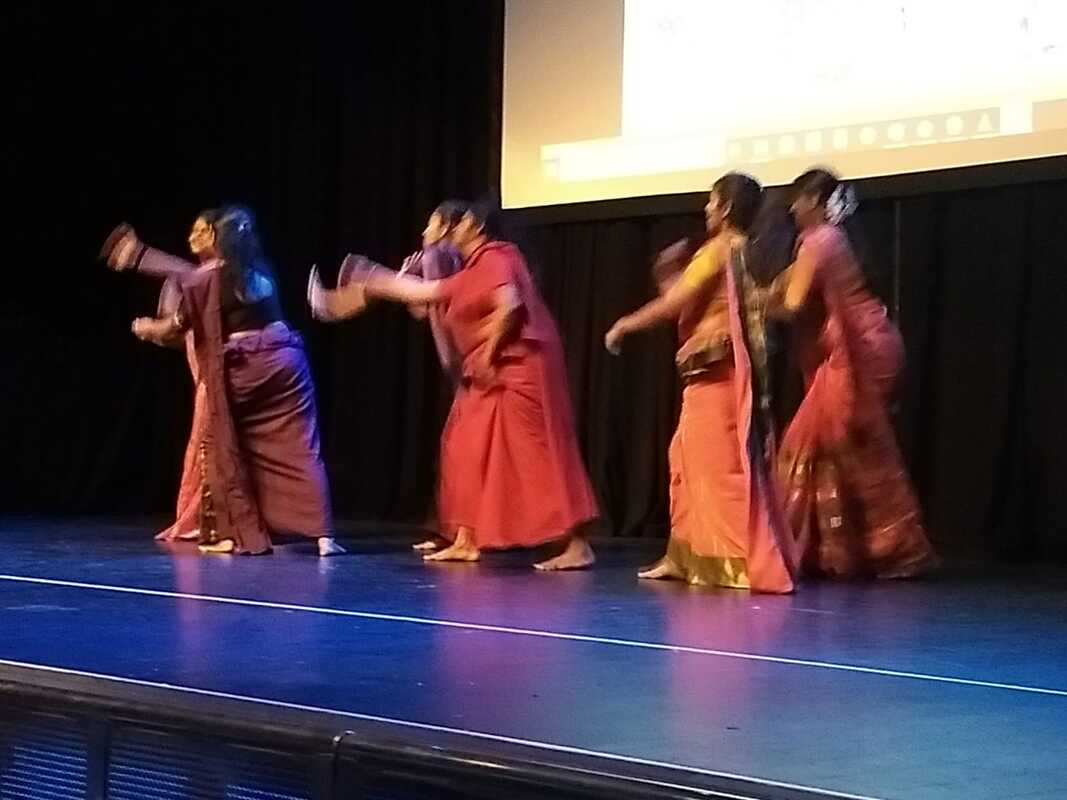
Tromsø, August 18, 2019. Within less than a week of their landing in Tromsø, the Sri Lankan students are getting noticed in town. Not only have they settled down and started working immediately at the university, they have also met the Sri Lankan community and won the performance competition held at the Student Show Hall on occasion of the Debut week for international students. |
|

|
The first batch of students ready for departure!
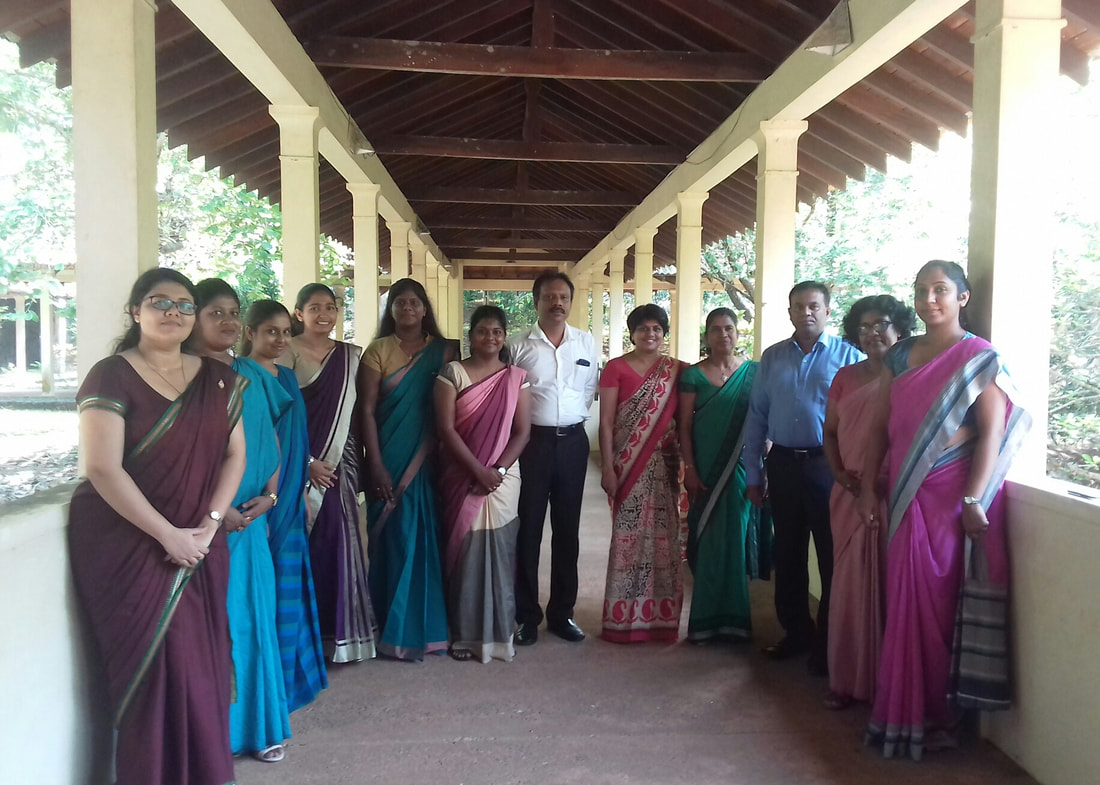
Matara, July 24th 2019. The first batch of Sri Lankan students met in Matara for an awareness meeting. They were greeted by their supervisors who handed over the plane tickets to Tromsø. In the agenda there was also a lunch and a meeting with Nimna and Hasini, two students who guested UiT in 2018. They gave a first-hand orientation about student life in Tromsø. Interestingly, three of the supervisors have also previous experience as researchers in Tromsø. Now it is up to the Tromsø crew to wish welcome to the new students and make sure that they will have an un-forgetable Autumn semester. We look forward to the travel reports from this first batch! |
|
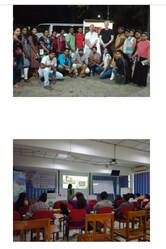
Workshop 1. Fisheries and technology
March 2019. Our first camp was organized by the Faculty of Fisheries of the University of Jaffna. The venue was the university campus, right in the center of the city. There were, however, many opportunities for fieldwork and excursions to the local industries. The organization was led with great skill by Prof. Sivashanthini Kuganathan and her assistants. Read more about it in workshop1.
March 2019. Our first camp was organized by the Faculty of Fisheries of the University of Jaffna. The venue was the university campus, right in the center of the city. There were, however, many opportunities for fieldwork and excursions to the local industries. The organization was led with great skill by Prof. Sivashanthini Kuganathan and her assistants. Read more about it in workshop1.
|
INCEPTION MEETING
NOR-LANKA BLUE March 17-18, 2019, Paradise Beach Hotel Paradise Beach Hotel, Negombo, Sri Lanka Program Day 1: March 17, 2019 (1.45 pm onwards) Session 1: Chair: Suneetha Gunawickrama, vice-chair: Jorge Santos 1.30- 1.45 Welcome speech and introduction (Suneetha Gunawickrama) 1.45- 2.05 History of collaboration and overview of the project (Jorge Santos) 2.05- 2.15 Launch of the website and short visit through it (Jorge Santos) 2.15- 2.25 Introduction - University of Tromsø (Hege Kristin Widnes) 2.25- 2.40 Challenges and opportunities of international programs (Hege) 2.40- 2.50 Prepare for group work (Suneetha) 2.50- 3.15 Coffee/tea break 3.15 -5.00 Parallel group sessions Group 1: Academic (chair: Jorge, vice-chair: Nilantha De Silva); Referent: Kumudu De Silva Group 2: Mobility (chair: Suneetha, vice-chair: Hege); Referent: Ashoka Deepananda Group 3: Reporting (chair: Lalith Amaralal, vice-chair: Christian Hansen); Referent: Sivashanthini Kuganathan 5.00- 6.00 Session for chairs/Vice Chairs and referents 5.00- social for the others- snack break 7.00 pm onwards: Dinner (mingle) Day 2: March 18, 2019 (9.00- 11.00) 9.00 General session – chair: Jorge, vice-chair: Suneetha Reporting main findings and decisions by groups Mobility plan; Workshop plans; Profiling the project; Seeking partnerships in research, administration and industry; Extending the network nationally and internationally; Future work and meetings; 11.00 Lunch and departure. |
| ||||
